Sustainable travel in the United States is shifting from marketing language to measurable action. Cities, national parks, hotels, and tour operators are adopting renewable energy, waste reduction programs, wildlife protections, and community-based tourism models. This guide explains how U.S. destinations are adapting, what sustainability efforts actually mean for travelers, and how visitors can make informed,…

Author: Stephan Broody
Small-Town America Is Having a Travel Moment—Here’s Where Visitors Are Going
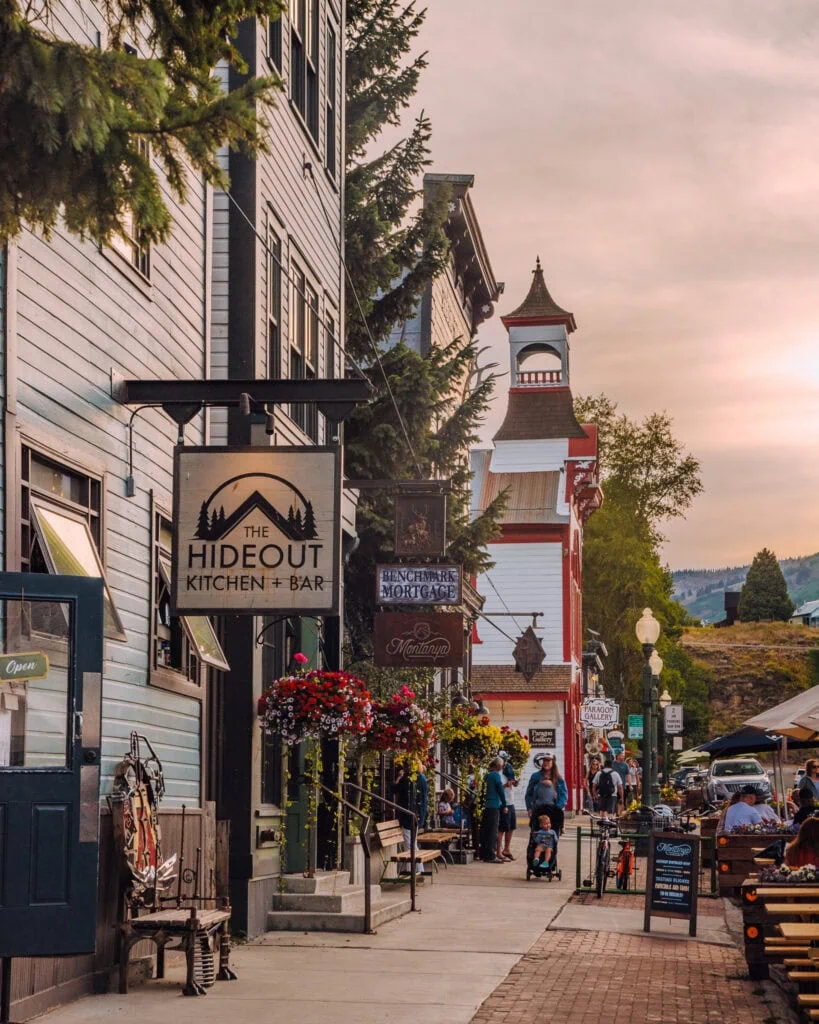
Small-town America is experiencing renewed travel interest as visitors seek slower pacing, authentic culture, outdoor access, and affordability. From mountain communities to coastal villages, travelers are prioritizing meaningful local experiences over crowded urban centers. Shifting work flexibility, rising urban costs, and interest in regional heritage are reshaping travel patterns across the United States. Why Travelers…
The New Rules of Smart Travel: What Experienced Travelers Are Doing Differently
Smart travel in 2026 is defined by flexibility, data-driven planning, risk awareness, and intentional pacing. Experienced travelers are booking earlier yet staying adaptable, prioritizing shoulder seasons, protecting trips with insurance, packing lighter, and choosing less crowded destinations. Rising costs, climate variability, and hybrid work have reshaped decision-making. Here’s how seasoned travelers are adjusting—and how you…
How Flexible Work Is Redefining Weekend Getaways Across the United States
Flexible and hybrid work arrangements are reshaping how Americans plan weekend travel. With greater control over schedules, professionals are extending short trips, traveling midweek, and choosing destinations within driving distance that support remote productivity. This shift is redistributing tourism demand, benefiting smaller cities and regional destinations while redefining what a “weekend getaway” looks like in…
How Cultural Eating Patterns Are Shaping the Future of American Nutrition
Summary American nutrition is increasingly shaped by cultural eating patterns driven by immigration, globalization, and evolving social values. From plant-forward traditions to communal meals and flexible food rules, these influences are reshaping how Americans eat, cook, and think about health—prompting nutrition guidance that emphasizes inclusivity, sustainability, and long-term well-being over rigid dietary models. Introduction: A…
How Modern Lifestyles Are Influencing Micronutrient Intake in the U.S.
Summary Modern American lifestyles—defined by convenience foods, busy schedules, and digital habits—are quietly reshaping micronutrient intake. While calorie availability remains high, nutrient density often falls short. This article examines how work patterns, food systems, and daily choices affect vitamin and mineral intake in the U.S., highlighting practical ways to close common nutrient gaps without extreme…
Why “Balanced Eating” Means Something Different Than It Did a Decade Ago
Summary Balanced eating has evolved from rigid food group rules into a more flexible, personalized approach shaped by lifestyle changes, nutrition science, and cultural shifts. Today, balance considers timing, food quality, metabolic health, accessibility, and sustainability—reflecting how Americans actually live, work, and eat. Understanding this shift helps people make realistic, long-term nutrition choices. Introduction: A…
How Physical Fitness Supports Mental Focus and Productivity
SummaryPhysical fitness plays a measurable role in improving mental focus, cognitive endurance, and day-to-day productivity. By enhancing brain blood flow, regulating stress hormones, and supporting sleep quality, regular physical activity helps people think more clearly, work more efficiently, and sustain attention in demanding environments—without relying on extremes or time-intensive routines. Why Mental Focus and Productivity…
National Parks Beyond the Headliners: Underrated Landscapes Worth Exploring This Year
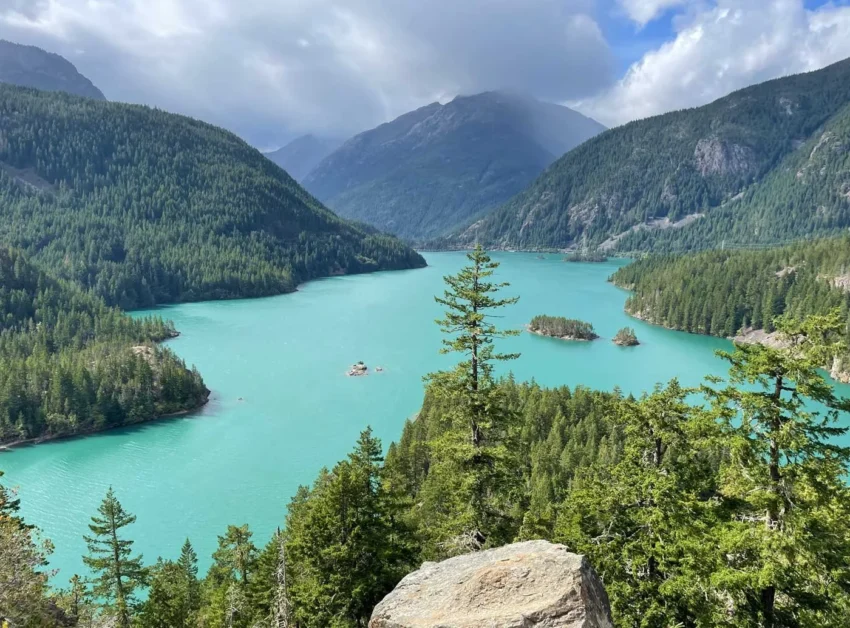
While marquee parks draw millions each year, many lesser-visited U.S. national parks offer equally compelling landscapes with fewer crowds and easier logistics. From remote desert basins to alpine island wilderness, these underrated parks provide meaningful access to nature without peak-season congestion. Here’s where to go, why visitation patterns are shifting, and how to plan wisely….
The Rise of “Quiet Travel”: Why More Americans Are Choosing Slower, Less-Crowded Destinations
“Quiet travel” reflects a growing shift among Americans toward slower, less-crowded destinations that prioritize space, nature, and meaningful experiences over packed itineraries. Driven by overtourism, remote work flexibility, rising costs, and mental health awareness, travelers are choosing national park alternatives, small towns, and shoulder-season trips. Here’s why the trend is accelerating—and how to plan a…