
Summary
Approaching DIY projects professionally isn’t about having advanced skills—it’s about thinking clearly before you start. This guide walks through a structured, real-world framework for planning, evaluating, and executing DIY work with fewer mistakes, better results, and more predictable outcomes. It’s designed for homeowners who want smarter, more reliable projects.
Why “Professional Thinking” Matters in DIY
DIY has become mainstream in the U.S., especially as homeowners look to save money and customize their spaces. According to industry surveys from home-improvement retailers, more than half of U.S. homeowners attempt at least one DIY project per year. Yet many projects stall, exceed budgets, or require rework—not because of poor effort, but because of unclear planning.
Professional thinking doesn’t mean perfection. It means approaching each project with the same clarity a contractor or project manager would use: defining scope, understanding risk, and planning realistically. This mindset consistently separates projects that feel controlled from those that feel stressful.
Step 1: Clearly Define the Real Problem
Most DIY projects begin with a surface goal: “replace the backsplash,” “build storage,” or “fix a door.” Professionals go deeper by defining the actual problem.
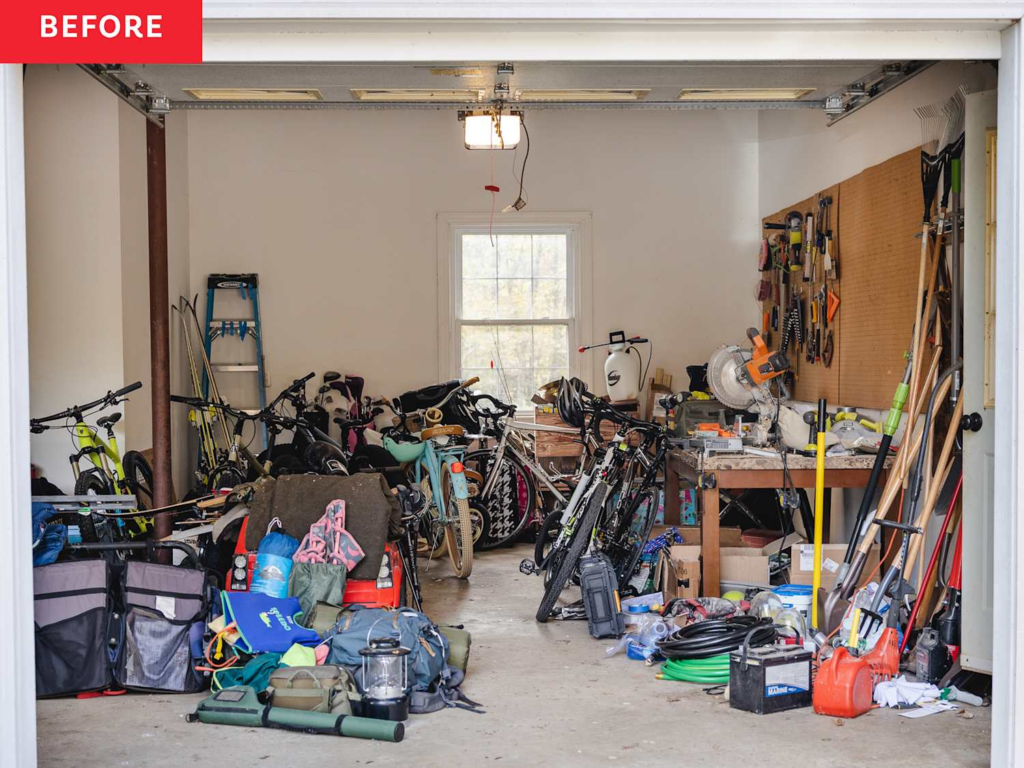
For example, a homeowner may plan to install shelves because the garage feels cluttered. The real problem isn’t storage—it’s workflow. If tools are hard to access or items don’t have designated zones, shelves alone won’t solve it.
Before buying materials, write one sentence that answers: What problem am I actually solving?
This clarity prevents unnecessary complexity and ensures the project delivers meaningful improvement, not just visual change.
Step 2: Assess Whether DIY Is the Right Approach
One professional habit is knowing when not to DIY. Some projects appear simple but involve hidden risks, such as electrical load issues, plumbing pressure, or structural implications.
Ask yourself:
- Does this project affect safety, code compliance, or load-bearing structures?
- If I make a mistake, is the worst-case outcome cosmetic—or costly?
- Will I need permits or inspections?
In many U.S. states, improper electrical or plumbing work can void insurance coverage. Professionals assess these risks upfront. DIYers should do the same.
Step 3: Break the Project Into Phases
A common DIY mistake is treating a project as one large task. Professionals break work into phases, each with its own objective.
For example, a bathroom refresh might include:
- Evaluation and measurements
- Demolition and prep
- Installation
- Finishing and cleanup
This approach makes projects easier to manage, reduces overwhelm, and helps identify dependencies. If one phase runs late or over budget, it’s easier to adjust without derailing the entire project.
Step 4: Build a Realistic Budget With a Margin
Professional budgets include contingency. DIY budgets often don’t.
Industry data from remodeling cost studies show that even small home projects commonly exceed initial estimates by 10–20% due to material waste, tool purchases, or unexpected repairs.
A practical rule:
- Estimate total material and tool costs
- Add a 15–20% buffer
- Separate “must-have” items from “nice-to-have” upgrades
This prevents last-minute compromises that reduce quality or stall progress.
Step 5: Evaluate Your Skill Level Honestly
Professionals match tasks to skill sets. DIYers often learn skills mid-project, which is fine—but only when planned.
Ask:
- Have I done something similar before?
- Is this a precision task or a forgiving one?
- Can mistakes be corrected without starting over?
Painting a room allows for learning curves. Installing tile with tight tolerances is less forgiving. Knowing this in advance allows you to practice, simplify the design, or adjust expectations.
Step 6: Choose Tools Strategically, Not Emotionally
One hallmark of professional thinking is restraint with tools. Buying every recommended tool often costs more than hiring help.
Instead:
- Identify tools required for accuracy or safety
- Rent specialty tools used once
- Avoid “just in case” purchases
Many U.S. hardware stores now offer affordable tool rentals. Professionals use this option routinely to control costs and storage.
Step 7: Plan the Work Sequence Before Starting
Professionals rarely improvise order of operations. DIYers often do—and regret it.
Before starting, walk through the project step by step:
- What must happen first?
- What can’t happen until something else is finished?
- Where do drying, curing, or inspection delays occur?
This mental rehearsal prevents backtracking, rework, and avoidable damage.
Step 8: Set Quality Standards Up Front
Professional projects succeed because expectations are defined early.
Decide:
- What level of finish is acceptable?
- Where does precision matter most?
- What imperfections are tolerable?
For example, garage storage doesn’t require the same finish quality as a kitchen cabinet. Defining this upfront prevents over-engineering or frustration.
Step 9: Manage Time Like a Professional
Time overruns frustrate more DIYers than cost overruns. Professionals schedule work realistically.
Instead of “I’ll finish this in a weekend,” estimate:
- Active work hours
- Setup and cleanup time
- Delays due to weather, drying, or supply issues
Then double your estimate if the project is new to you. This approach dramatically reduces stress and rushed decisions.
Step 10: Document and Review the Outcome
After completion, professionals review what worked and what didn’t. DIYers should too.
Take notes:
- Which steps took longer than expected?
- Which tools or materials were worth it?
- What would you change next time?
This reflection builds long-term DIY competence and improves every future project.

Frequently Asked Questions
Is professional DIY thinking only for large projects?
No. The framework applies to small projects as well, especially those involving multiple steps or tools.
How do I know if a project is beyond my skill level?
If errors could cause safety risks or expensive damage, it’s worth reconsidering or simplifying.
Does planning really save that much time?
Yes. Most DIY delays come from missing materials, poor sequencing, or unclear goals.
What’s the biggest mistake DIYers make?
Underestimating complexity and skipping problem definition.
Should I always pull permits when required?
Yes. Skipping permits can cause legal, resale, and insurance issues.
How much budget buffer is reasonable?
15–20% is typical for small to mid-size DIY projects.
Is renting tools better than buying?
For infrequently used or specialty tools, renting is often more cost-effective.
How do professionals handle mistakes?
They anticipate them, budget for them, and correct them early.
A More Confident Way to Approach Your Next Project
DIY becomes far more satisfying when it’s approached with intention rather than impulse. Thinking professionally doesn’t remove creativity—it supports it. By slowing down before you start, you gain control over cost, time, and outcomes. The result isn’t just a finished project, but a process you can trust and repeat.
What to Carry Forward
- Clear problem definition prevents wasted effort
- Phased planning reduces overwhelm
- Honest skill assessment avoids costly rework
- Documentation improves future projects