

Summary
Americans are increasingly seeking authentic cultural experiences that prioritize connection, learning, and local context over surface-level consumption. This shift reflects broader changes in values, travel habits, media consumption, and community engagement. From neighborhood food traditions to immersive arts and heritage experiences, authenticity has become a defining feature of modern lifestyle choices.
Understanding the Shift Toward Authentic Cultural Experiences
Over the past decade, the meaning of “lifestyle” in the United States has evolved. Where it once centered on consumption, status, and convenience, it now increasingly reflects values such as purpose, belonging, and understanding. Cultural experiences—once associated mainly with international travel or academic study—are now embedded into everyday American life.
This growing demand is not driven by novelty alone. It reflects deeper social and economic changes: increased cultural diversity, digital fatigue, a reassessment of work-life balance, and greater awareness of cultural preservation. Americans are actively searching for experiences that feel real, rooted, and meaningful.
Search behavior supports this trend. Queries related to “local cultural experiences,” “heritage food,” “cultural festivals near me,” and “authentic travel experiences” have risen steadily, according to aggregated data from Google Trends and tourism boards across major U.S. cities.
What “Authentic” Means to Today’s American Audience
Authenticity, in this context, does not imply perfection or purity. Instead, Americans tend to associate authentic cultural experiences with:
- Direct engagement with local people
- Context and storytelling, not just visuals
- Respect for traditions and history
- Opportunities to learn rather than observe
- Experiences that feel unscripted and human
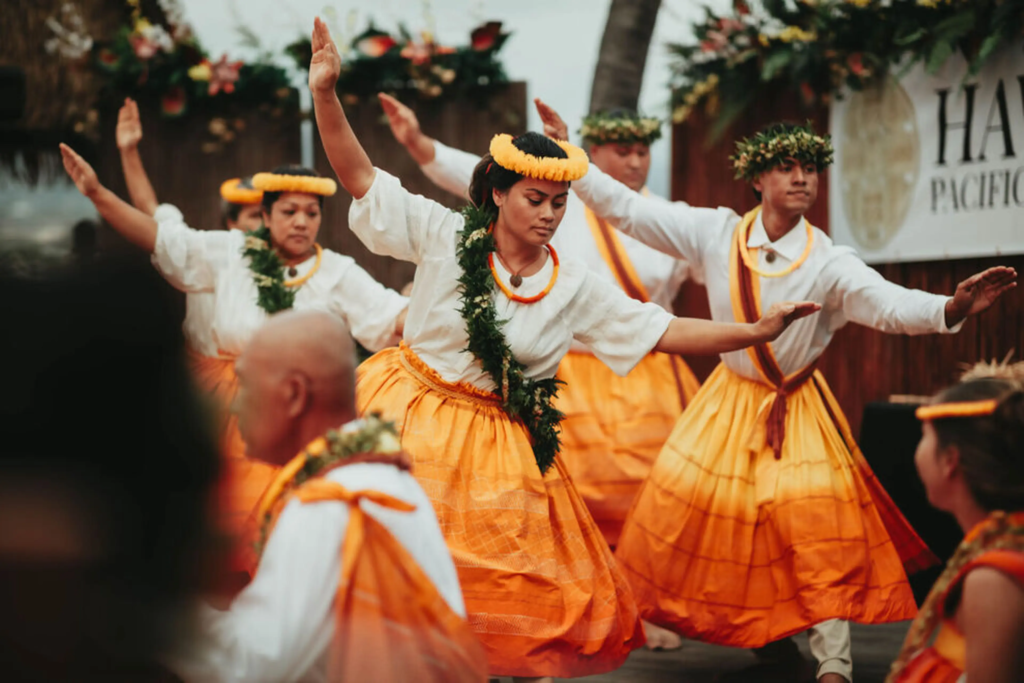
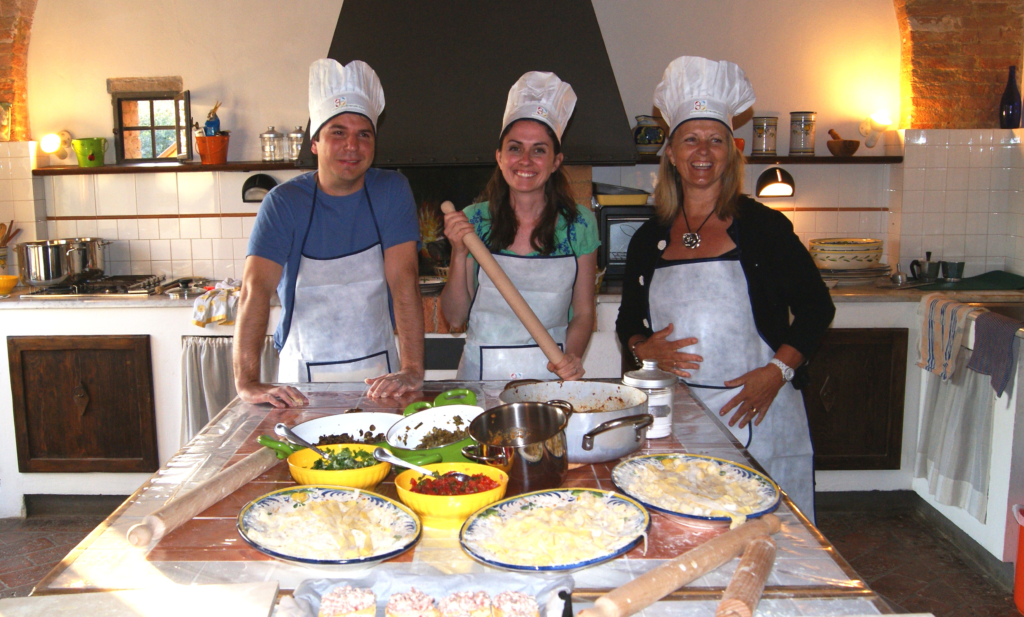
For example, attending a community-led Juneteenth celebration in a Southern city often feels more meaningful to participants than visiting a large, commercialized festival. Similarly, learning to cook a regional dish alongside a local chef in New Mexico resonates more deeply than dining at a themed restaurant.
Authenticity is defined less by exclusivity and more by sincerity.
Cultural Experiences Beyond Travel
While travel remains a major driver, cultural engagement is increasingly local. Americans are integrating culture into their lifestyles without leaving their cities or neighborhoods.
Examples of Local Cultural Engagement
Many cultural experiences now take place within everyday settings:
- Visiting neighborhood museums and cultural centers
- Participating in language exchange meetups
- Attending community theater, poetry readings, or live music
- Exploring regional food traditions through farmers markets and pop-up dinners
- Supporting Indigenous, Black-owned, or immigrant-owned creative spaces
This shift reflects both practicality and values. Rising travel costs, climate concerns, and time constraints have encouraged Americans to seek richness closer to home. At the same time, there is a growing appreciation for the cultural depth already present in U.S. communities.
The Role of Food, Art, and Storytelling
Food, art, and storytelling serve as accessible entry points into culture. They allow people to experience heritage in ways that feel personal rather than academic.
Food, in particular, has become a powerful cultural connector. According to data from the National Restaurant Association, consumers increasingly value menus that tell a story about origin, tradition, or technique. Regional cuisines—such as Lowcountry cooking, Native American foodways, or Vietnamese-American culinary traditions—are gaining recognition beyond niche audiences.
Art and storytelling function similarly. Murals, oral history projects, independent films, and community archives allow cultural narratives to be shared without dilution. These formats resonate with Americans who value learning through experience rather than instruction.

Why Authenticity Matters More Than Ever
Several converging factors explain why authentic cultural experiences now carry greater weight.
Digital Saturation and the Desire for Real Connection
After years of constant online engagement, many Americans are seeking experiences that feel tangible. Cultural activities offer physical presence, human interaction, and sensory engagement—qualities often missing from digital life.
Changing Definitions of Success and Fulfillment
Younger generations, in particular, are redefining what a “good life” looks like. Surveys from Pew Research Center indicate that Millennials and Gen Z place greater emphasis on experiences, identity, and values than on traditional status markers. Cultural engagement aligns with these priorities.
Increased Awareness of Cultural Preservation
There is growing recognition that traditions, languages, and local histories can disappear without support. Participating in cultural experiences is increasingly viewed as a way to sustain communities, not just consume them.
Cultural Experiences as a Lifestyle Choice
For many Americans, cultural engagement is no longer occasional—it is habitual. This is evident in how people plan their weekends, choose where to live, and decide how to spend discretionary income.
Lifestyle-driven cultural engagement often includes:
- Choosing neighborhoods with cultural diversity and creative scenes
- Supporting local artists and cultural organizations
- Incorporating cultural learning into family activities
- Seeking workplaces and brands aligned with cultural values
This integration reflects a broader shift from transactional living toward relational living. Culture provides context, meaning, and continuity in a rapidly changing world.
The Impact on Travel and Tourism
While this article emphasizes lifestyle, the influence on travel is significant. Americans are increasingly rejecting checklist tourism in favor of slower, more immersive experiences.
The U.S. Travel Association reports growing interest in heritage tourism, rural travel, and culturally significant destinations. Travelers want to understand the “why” behind a place, not just see it.
Examples include:
- Visiting tribal lands with guided cultural interpretation
- Participating in historical reenactments or preservation workshops
- Staying in locally owned accommodations rather than large chains
These choices reflect a desire for mutual respect between visitor and host, rather than one-sided consumption.
Challenges and Ethical Considerations
The rise in demand for authenticity also presents challenges. When cultural experiences become popular, there is a risk of commercialization, oversimplification, or exploitation.
Responsible cultural engagement requires:
- Transparency about who benefits financially
- Respect for cultural boundaries and sacred practices
- Accurate representation rather than stereotypes
- Community involvement in experience design
Americans are increasingly sensitive to these issues. Many actively seek experiences led by community members rather than external operators, and they value clear ethical standards.
How Americans Can Engage More Thoughtfully
Engaging with culture does not require expertise or travel. It begins with curiosity and respect.
Practical ways to engage include:
- Attending cultural events hosted by local organizations
- Reading books or listening to podcasts created by cultural insiders
- Supporting museums, archives, and cultural nonprofits
- Asking questions and listening rather than assuming
- Acknowledging history, including difficult or complex narratives
These practices help ensure that cultural engagement remains meaningful rather than performative.
Frequently Asked Questions
What are authentic cultural experiences?
They are experiences rooted in real traditions, communities, and stories, often led by people directly connected to the culture.
Why are Americans more interested in cultural experiences now?
Shifts in values, digital fatigue, and a desire for meaningful connection have increased interest.
Do cultural experiences require travel?
No. Many are available locally through food, art, music, and community events.
How can I tell if an experience is truly authentic?
Look for community involvement, transparency, and educational context rather than spectacle.
Are cultural experiences only for certain age groups?
No. Interest spans generations, though younger audiences often prioritize them more heavily.
How do cultural experiences benefit communities?
They can support preservation, economic sustainability, and intergenerational knowledge sharing.
Can cultural experiences be part of everyday life?
Yes. Many people integrate them through routines, hobbies, and local engagement.
What role does food play in cultural authenticity?
Food conveys history, migration, and identity in accessible, experiential ways.
Are there ethical concerns with cultural tourism?
Yes. Responsible participation is essential to avoid exploitation or misrepresentation.
Where Cultural Curiosity Is Taking American Lifestyles
The growing demand for authentic cultural experiences signals a deeper transformation in how Americans define fulfillment. Culture is no longer a backdrop or an occasional indulgence. It is becoming a framework through which people understand place, identity, and community. This shift suggests a future where lifestyle choices are guided not just by convenience, but by connection and meaning.
Key Signals Shaping the Cultural Experience Movement
- Increased preference for local and community-led experiences
- Growing integration of culture into daily routines
- Higher expectations for ethical and respectful engagement
- Strong alignment with values-driven lifestyles
- Continued blending of education, leisure, and identity