
Summary
Stand-up comedy has undergone a fundamental shift in the streaming era. Digital platforms have transformed how comedians develop material, reach audiences, and sustain careers. This article explores how streaming reshaped comedy distribution, creative risk, audience expectations, and the economics of stand-up—offering a clear, experience-driven look at where the art form stands today.
The Pre-Streaming Stand-Up Model: Scarcity, Gatekeepers, and Slow Growth
For decades, stand-up comedy followed a relatively rigid path. Comedians built material through open mics and clubs, hoped for late-night television exposure, and, for a select few, landed a network or cable special. Access was limited, competition was steep, and gatekeepers—bookers, producers, and executives—controlled visibility.
A single TV appearance on shows like The Tonight Show or Late Show could define a career. Comedy albums were purchased physically or downloaded, meaning discovery depended heavily on radio play, word of mouth, or touring. The system rewarded polish and patience, but it also excluded many voices and slowed innovation.
This scarcity shaped how comedians wrote. Material had to be broadly appealing, tightly edited, and safe enough for mass television audiences. Risk-taking existed, but it often came after years of establishment.
Streaming Changed Distribution—and Power Dynamics
Streaming platforms reversed many of those constraints. Instead of competing for a single TV slot, comedians could now reach millions on demand. Platforms like Netflix, Amazon Prime Video, and YouTube eliminated time slots and geographic barriers, allowing comedy to exist wherever audiences were watching.
This shift redistributed power away from traditional gatekeepers. A strong digital following became just as valuable as industry approval. Comedians could bypass clubs and networks entirely, releasing specials or clips directly to fans.
The result was not simply more comedy, but more types of comedy. Niche voices—regional, cultural, political, experimental—found audiences that would never have existed in a broadcast-only era.
The Rise of the “Special as Content” Era
Before streaming, a comedy special was a milestone event. Now, it’s part of a broader content ecosystem. Many established comedians release specials more frequently, sometimes every year or two, rather than once per decade.
This frequency has altered creative strategy. Instead of crafting one definitive hour, comedians often:
- Develop shorter thematic sets
- Release material incrementally
- Experiment with tone and structure
- Treat specials as snapshots of evolving perspectives
This shift rewards consistency and audience engagement rather than singular perfection. It also places pressure on comedians to remain visible in an algorithm-driven environment where attention moves quickly.
How Streaming Changed Audience Expectations
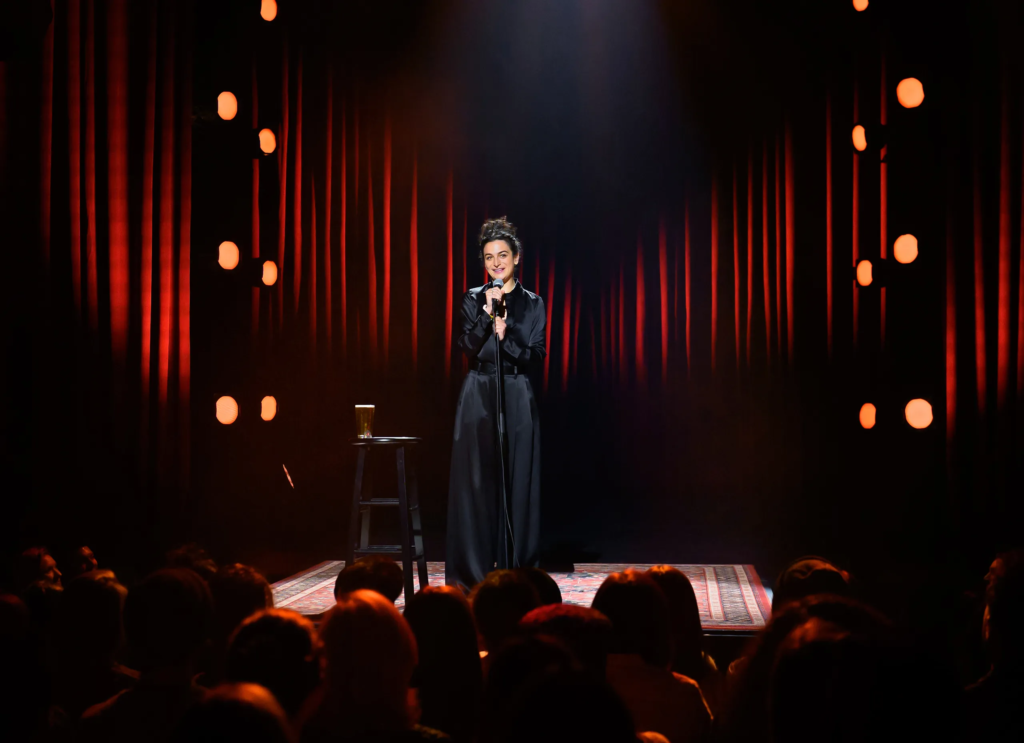
Streaming didn’t just change comedians—it changed audiences. Viewers now consume stand-up alongside scripted series, documentaries, and podcasts, often in binge sessions. This context has raised expectations for narrative coherence, production quality, and authenticity.
Audiences increasingly expect:
- Personal storytelling over joke density
- Clear points of view rather than neutral humor
- Social and cultural awareness
- Transparency about process and identity
This helps explain why comedians like Hannah Gadsby and Hasan Minhaj found large streaming audiences with formats that blend comedy, memoir, and commentary. Streaming allows space for longer arcs and emotional range that traditional TV rarely permitted.
Data Signals: What the Numbers Tell Us
Industry data supports the idea that stand-up has become more mainstream through streaming. According to Netflix disclosures and Nielsen streaming reports, stand-up comedy regularly ranks among the platform’s most-watched non-fiction categories, particularly during major releases.
A 2023 Nielsen report showed that comedy specials consistently generate high completion rates compared to other non-scripted content—suggesting strong audience engagement. Meanwhile, Pollstar data indicates that top touring comedians now rival major music acts in ticket sales, driven largely by streaming exposure.
Streaming doesn’t replace touring—it amplifies it.
YouTube and Short-Form Platforms Changed the Development Cycle
While premium streaming platforms dominate specials, YouTube and short-form platforms like TikTok have reshaped how comedians build careers.
Many comedians now test material publicly long before it reaches a special. Short clips function as real-time focus groups, revealing what resonates across demographics and regions.
This model favors:
- Faster feedback loops
- Adaptive writing styles
- Direct audience relationships
- Entrepreneurial skill sets
Comedians like Andrew Schulz leveraged YouTube to grow massive audiences before traditional platforms took notice. The line between “independent” and “mainstream” has become increasingly blurred.
Creative Risk Has Increased—With Tradeoffs
Streaming has enabled greater creative risk. Without FCC constraints or advertiser sensitivities, comedians can explore topics once considered commercially dangerous. Political satire, identity-based humor, and structural experimentation thrive in this environment.
However, the tradeoff is permanence. A joke released on streaming lives indefinitely, subject to cultural shifts and retrospective scrutiny. Comedians now balance freedom with long-term reputational risk in ways earlier generations rarely faced.
This has encouraged more intentional framing, clearer context, and, in some cases, self-reflective commentary within sets.
Economic Reality: More Access, More Competition
Streaming lowered barriers to entry, but it also intensified competition. More comedians can release content, but visibility depends on algorithms, marketing, and sustained engagement.
Financially, the landscape is uneven:
- Top-tier comedians command multi-million-dollar deals
- Mid-level comedians rely on touring, Patreon, and podcasts
- Emerging comics often self-produce content with minimal budgets
Streaming exposure alone does not guarantee income. Success increasingly requires diversified revenue streams and business literacy alongside comedic talent.
Stand-Up Comedy as a Cultural Archive
One unexpected effect of streaming is how stand-up now functions as a cultural record. Specials capture social attitudes, anxieties, and debates of a specific moment. Viewed years later, they reveal how language, norms, and humor evolve.
This archival role elevates stand-up beyond entertainment. It positions comedians as informal historians—documenting how Americans think, argue, and laugh through periods of rapid change.
Frequently Asked Questions
How has streaming changed stand-up comedy the most?
It expanded access—allowing comedians to reach global audiences without traditional gatekeepers.
Do comedians still need comedy clubs?
Yes. Clubs remain essential for testing material, even if exposure now comes from streaming.
Are comedy specials more frequent now?
Yes. Many comedians release specials more often due to lower distribution barriers.
Is stand-up more political today?
Often, yes. Streaming allows nuanced political and social commentary without broadcast restrictions.
Does streaming replace live comedy?
No. Streaming increases demand for live tours rather than replacing them.
Can new comedians succeed without TV?
Absolutely. Many build careers through YouTube, podcasts, and social platforms first.
Are audiences more critical now?
Yes. Digital permanence and social media amplify feedback and scrutiny.
Is stand-up still profitable?
At the top level, yes. For others, it requires diversified income sources.
Will streaming continue to dominate stand-up?
Likely, though platforms and formats will continue to evolve.
Why Stand-Up Looks Different—and Why That Matters
Stand-up comedy in the streaming age is faster, broader, and more reflective of real life than ever before. While the fundamentals—writing, timing, and perspective—remain unchanged, the ecosystem surrounding them has transformed. The result is an art form that feels less polished but more honest, less exclusive but more demanding, and more closely tied to cultural reality than at any point in its history.
Key Shifts Worth Remembering
- Distribution power has shifted toward creators
- Audience expectations favor authenticity over universality
- Streaming amplifies touring rather than replacing it
- Creative freedom comes with permanent accountability
- Success now requires both artistic and entrepreneurial skill