
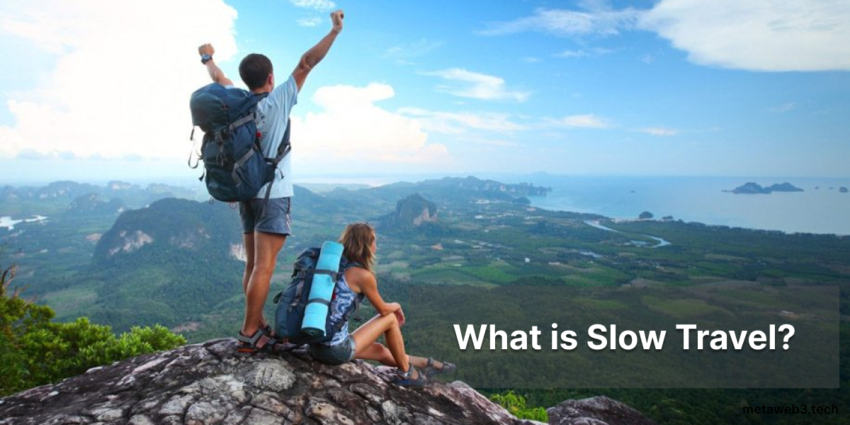
Slow travel is gaining traction among Americans who prefer deeper, longer stays over fast-paced, multi-city itineraries. Influenced by hybrid work, rising airfare, and a desire for meaningful experiences, travelers are choosing fewer destinations and extended visits. This approach reduces transit stress, supports local economies, and often lowers overall trip costs while enhancing cultural immersion.
What Is Slow Travel—and Why Is It Growing?
Slow travel is not about moving slowly for its own sake. It’s about prioritizing depth over distance. Instead of visiting five cities in 10 days, travelers might spend a full week—or longer—in one location, allowing time for unstructured exploration, neighborhood discovery, and routine-building.
According to the U.S. Travel Association, domestic leisure travel remains strong, but trip patterns are evolving. Hybrid work arrangements and flexible scheduling are reshaping how Americans allocate vacation time. At the same time, airfare volatility and rising transportation costs encourage fewer transit days and longer stays per destination.
Search trends also reflect the shift. Queries like “How to stay longer in one place while traveling?” and “Best U.S. cities for extended stays” have steadily increased over the past two years.
Slow travel appeals across demographics:
- Remote and hybrid workers blending work and leisure.
- Retirees seeking seasonal relocation.
- Families minimizing airport stress.
- Younger travelers focused on sustainability.
The underlying motivation is consistent: people want travel that feels restorative rather than compressed.
Why Americans Are Choosing Fewer Destinations
Several economic and cultural factors are driving this shift.
First, airfare pricing has become more dynamic. When flights represent a significant portion of a travel budget, reducing the number of flights makes financial sense. Spending seven days in one city rather than hopping between three reduces transportation costs, baggage fees, and airport transfers.
Second, short-term rental platforms and extended-stay hotels make longer stays practical. Cities like Austin and Denver offer neighborhoods where travelers can integrate into local life rather than operate solely as visitors.
Third, work flexibility has altered trip structure. Instead of taking five consecutive vacation days, travelers may work remotely for part of the week and explore during evenings and weekends. This “workcation” model supports slower pacing.
Finally, psychological factors matter. Many Americans report feeling fatigued by tightly packed itineraries. Constant packing, checkouts, and travel logistics can diminish enjoyment.
The Financial Case for Slow Travel
One of the most common questions travelers ask is: “Is slow travel actually cheaper?”
In many cases, yes—if planned strategically.
Cost savings often emerge in these areas:
- Fewer flights or rental car changes.
- Discounted weekly or monthly lodging rates.
- Reduced dining costs by cooking part-time.
- Lower incidental spending from impulsive sightseeing add-ons.
For example, a traveler spending eight nights in Savannah may secure a discounted weekly rental and shop at local markets. Compared to visiting Savannah, Charleston, and Asheville in the same timeframe—with separate lodging and transportation costs—the slower approach can reduce total expenses.
Extended stays also provide time to research local deals, museum discount days, and neighborhood events that short-term visitors might miss.
Where Slow Travel Is Thriving in the U.S.
Certain American cities and regions naturally lend themselves to longer stays.
Santa Fe appeals to travelers seeking art, desert landscapes, and walkable historic districts. A week allows time for museums, hiking, and day trips without rush.
Portland offers culinary exploration and coastal access, rewarding travelers who linger beyond a quick weekend.
San Diego supports routine-building with beaches, parks, and diverse neighborhoods suited to extended stays.
Even rural destinations are benefiting. Travelers are renting cabins near Great Smoky Mountains National Park for multi-week stays, combining outdoor recreation with remote work.
The common denominator is livability—places where daily life feels manageable and rewarding.
How Slow Travel Changes the Experience
Spending more time in fewer places shifts how travelers interact with destinations.
Instead of focusing exclusively on major attractions, visitors begin to:
- Develop favorite coffee shops.
- Visit neighborhood farmers markets.
- Attend local events or community gatherings.
- Explore parks and residential streets.
In Chicago, a weeklong stay allows exploration beyond downtown—neighborhoods like Logan Square or Hyde Park offer local character that quick visits rarely uncover.
In Honolulu, slow travelers often balance beach time with cultural experiences, hiking, and regional cuisine, rather than compressing activities into a few days.
The result is familiarity rather than checklist tourism.
Environmental and Community Impact
Slow travel also aligns with sustainability goals. Fewer flights reduce carbon emissions. Longer stays can distribute spending more evenly across neighborhoods rather than concentrating impact in tourist cores.
The National Park Service has encouraged dispersed visitation patterns to reduce strain on infrastructure. Travelers who spend extended time in gateway communities rather than rushing through multiple parks support local businesses more consistently.
This approach benefits both visitors and residents.
How to Plan a Successful Slow Trip
Americans often ask, “How do I plan a slow travel itinerary without getting bored?”
Preparation makes the difference.
Consider these strategies:
- Choose destinations with layered experiences—food, nature, arts, and neighborhoods.
- Rent accommodations with kitchen and laundry access.
- Schedule anchor activities early, leaving open days for exploration.
- Research local classes or workshops.
- Identify nearby day-trip options.
For example, a two-week stay in Boulder might include hiking, brewery visits, local yoga classes, and short drives to Rocky Mountain National Park.
The goal is rhythm, not rigid scheduling.
Common Misconceptions About Slow Travel
Some travelers worry that slow travel requires months abroad or substantial savings. In reality, even extending a typical five-day trip to eight days can change the experience meaningfully.
Others assume slow travel is only feasible internationally. Domestic destinations are equally suitable, especially for Americans minimizing passport and airfare complexity.
Finally, slow travel does not mean inactivity. It simply replaces rapid transit with depth.
Frequently Asked Questions
1. What is slow travel in simple terms?
It means spending more time in one place instead of rushing through multiple destinations.
2. Is slow travel more affordable?
Often yes, due to fewer transportation costs and lodging discounts.
3. How long should a slow trip last?
Even 7–10 days in one location can qualify as slow travel.
4. Is slow travel only for remote workers?
No. Families and retirees also benefit from slower pacing.
5. What are the best U.S. cities for slow travel?
Santa Fe, Portland (Maine), San Diego, Austin, and Boulder are strong examples.
6. Does slow travel reduce stress?
Many travelers report lower stress due to fewer transitions and logistics.
7. Can slow travel work internationally?
Yes, especially in cities with strong public transportation and livable neighborhoods.
8. How do I avoid feeling unproductive during a slow trip?
Balance structured plans with free time and local engagement.
9. Is slow travel environmentally better?
Reducing flights and frequent transit generally lowers carbon impact.
10. Do extended stays require special visas?
For domestic U.S. travel, no. International stays may vary by country.
Redefining What It Means to “See” a Place
Travel culture once emphasized quantity—how many countries, how many cities, how many landmarks. Slow travel reframes the question. It asks whether travelers truly experienced a destination or merely passed through it.
Americans are increasingly valuing familiarity, routine, and local interaction over itinerary density. As airfare fluctuates and flexibility grows, spending more time in fewer places is becoming not just practical—but intentional.
Signals That You’re Ready for a Slower Journey
- You feel rushed on multi-city trips.
- You prefer neighborhoods to tourist districts.
- You value local markets and community events.
- You want to reduce transit days.
- You’re blending remote work with leisure.