
Summary
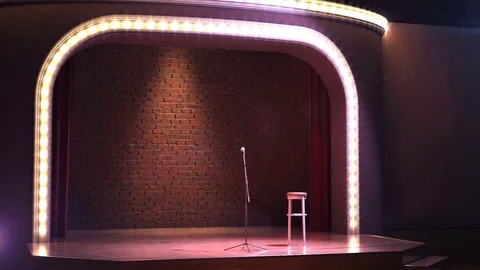
Stand-up comedy is built through constant testing, revision, and selective removal. Comedians develop jokes onstage, measure audience response in real time, refine language and timing, and eventually retire material that no longer works. This process balances creativity, discipline, and audience awareness, forming the backbone of professional comedy careers.
The Invisible Craft Behind a “Polished” Set
To most audiences, a stand-up set appears spontaneous and effortless. In reality, nearly every successful joke has been tested dozens—sometimes hundreds—of times before it reaches a special or national tour. Stand-up comedy is one of the few art forms where audience feedback is immediate, public, and unforgiving. Laughter, silence, or discomfort instantly signal whether an idea works.
Professional comedians treat this feedback as data. Each performance becomes a live experiment, where material is measured, adjusted, or quietly abandoned. The goal isn’t simply to be funny in the moment—it’s to build a repeatable, reliable set that holds up across rooms, cities, and audiences.
This iterative process explains why comedians often work the same five-minute idea for months before it becomes part of a polished hour. Comedy is written with a pen, but perfected with a microphone.
Where Stand-Up Material Begins
Most stand-up material starts away from the stage. Ideas are born from everyday observations, personal experiences, social contradictions, or emotional reactions. Many comedians keep notebooks, voice memos, or digital documents where fragments are stored without judgment.
Early versions of jokes are rarely complete. They may be:
- A premise without a punchline
- A story missing structure
- A funny line with no clear setup
At this stage, the goal is volume, not perfection. Experienced comics often generate far more material than they’ll ever perform, knowing that only a fraction will survive live testing.
The Role of Open Mics and Small Rooms
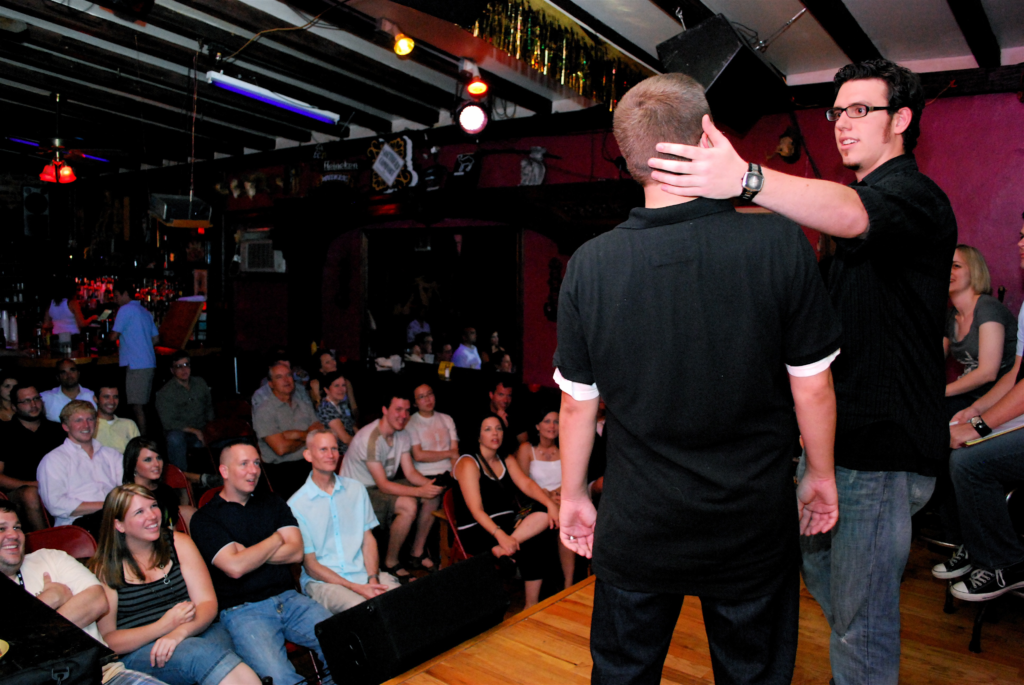
Open mics and low-stakes shows are the laboratory of stand-up comedy. These environments allow comedians to experiment without the pressure of paying audiences or professional expectations. In the U.S., most comedians spend years cycling through these rooms before advancing.
Small rooms offer several advantages:
- Audiences are closer, making reactions easier to read
- Sets are shorter, encouraging rapid experimentation
- Failure carries fewer consequences
A joke that gets silence at an open mic may not be dead—but it’s clearly unfinished. Comics take mental notes, refine wording, adjust timing, or cut unnecessary details before trying again elsewhere.
How Comedians Measure What Works
Stand-up comedians don’t rely on instinct alone. They evaluate material using specific, repeatable signals.
Strong jokes typically show:
- Consistent laughter across multiple audiences
- Laughter that arrives quickly, not late
- Minimal need for explanation or clarification
Experienced performers also pay attention to how people laugh. A brief chuckle may indicate mild interest, while sustained laughter signals a joke with long-term potential.
Some comedians record sets to analyze pacing and word choice. Others rely on memory and instinct developed through years of repetition. Either way, the process is deliberate.
Refinement: The Art of Saying Less
One of the most common refinements in stand-up comedy is subtraction. As jokes evolve, unnecessary words are removed, pauses are tightened, and setups become leaner. The funniest version of a joke is often the shortest one.
Refinement may involve:
- Cutting background details the audience doesn’t need
- Reordering lines for stronger escalation
- Changing a single word to sharpen meaning
A joke might lose 30% of its original length before reaching its final form. This editing process is why experienced comedians sound conversational while delivering highly engineered material.
Testing Across Different Audiences
Material that works in one city may fail in another. Cultural references, regional attitudes, and crowd demographics all influence reception. Professionals test jokes across diverse rooms to ensure broad appeal—or to identify where specificity strengthens the material.
Touring comedians often discover:
- Some jokes work better with older audiences
- Others resonate more in urban or college settings
- Certain references require adjustment or replacement
This testing phase helps comedians decide whether a joke belongs in a national set, a niche audience show, or nowhere at all.
When a Joke Stops Working
Even strong material has a shelf life. Jokes tied to current events, cultural trends, or personal circumstances eventually lose relevance. Experienced comedians recognize when laughter fades—not because delivery slipped, but because the joke no longer connects.
Signs material may need retirement include:
- Decreasing audience response over time
- The comedian feeling bored or disconnected while performing it
- Cultural context shifting around the topic
Retiring a joke isn’t failure—it’s a sign of growth. Most professionals archive old material rather than discard it entirely, sometimes revisiting ideas years later with fresh perspective.
Specials, Albums, and the “Burn Rule”
Once material is recorded for a special or comedy album, many comedians consider it “burned.” Audiences expect fresh content, and repeating published jokes can damage credibility.
This industry norm forces constant creation. According to interviews across major comedy platforms, top touring comedians often write a new hour every one to two years—a pace that demands discipline and resilience.
The burn rule also explains why comedians fiercely protect unreleased material. Testing jokes is necessary, but overexposure can dull their impact before they reach a wider audience.
The Psychological Side of Letting Go
Retiring material can be emotionally difficult, especially when jokes are tied to personal stories. Some comedians describe the process as similar to editing a memoir—deciding what no longer serves the narrative.
Professionals learn to separate ego from effectiveness. A joke isn’t valuable because it took months to write; it’s valuable because it works now. This mindset helps comedians evolve alongside their audiences rather than cling to past success.
Why This Process Matters to Audiences
The testing, refining, and retiring of material is why strong stand-up feels honest and effortless. What audiences experience as authenticity is often the result of rigorous trial and error.
Comedy that lands well has usually:
- Been pressure-tested across dozens of rooms
- Survived critical self-editing
- Earned its place through consistent response
This invisible work ensures that when a comedian steps onstage, the performance feels alive—even if every word has been carefully chosen.

Frequently Asked Questions
How long does it take to develop a solid stand-up joke?
Anywhere from weeks to months, depending on complexity and frequency of testing.
Do comedians write jokes word-for-word?
Many do. While delivery feels casual, phrasing is often intentional.
Why do jokes work one night and fail the next?
Audience composition, mood, and timing can all affect response.
Do comedians reuse old jokes?
Yes, during development—but usually not after official release.
How many jokes fail for every successful one?
Most comedians estimate that only 10–20% of ideas survive long term.
Is bombing necessary for improvement?
Yes. Failure provides critical feedback that refinement depends on.
Do famous comedians still test material?
Absolutely. Even top performers workshop new material in small rooms.
Can retired jokes come back?
Sometimes. A changed perspective can make old ideas feel new again.
A Craft Built on Listening
Stand-up comedy rewards those who listen closely—to audiences, to silence, and to their own instincts. Testing, refining, and retiring material isn’t just a process; it’s a discipline that keeps comedians sharp, relevant, and honest. The laughs may feel spontaneous, but they’re earned through patience, humility, and constant revision.
What This Reveals About Stand-Up Comedy
- Jokes are shaped onstage, not fully written beforehand
- Audience reaction is the primary editing tool
- Refinement often means cutting more than adding
- Retiring material is a sign of professional growth
- Great comedy depends on adaptability, not repetition