
Summary
Audiences increasingly gravitate toward celebrities who appear relatable because familiarity builds trust, emotional connection, and long-term loyalty. In an era of constant visibility, authenticity signals credibility rather than perfection. This article explains the psychology, media dynamics, and cultural shifts behind relatability, using real-world examples, research-backed insights, and practical analysis relevant to modern American audiences.
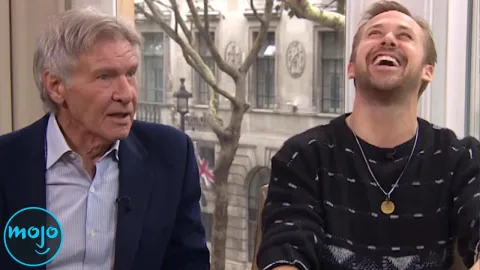
For decades, celebrity culture in the United States was built on distance. Movie stars were polished, inaccessible, and elevated above everyday life. Today, that model has shifted. Audiences now respond more strongly to celebrities who feel human—those who share ordinary routines, personal challenges, and unscripted moments.
Relatability is no longer a side effect of fame. It has become one of its defining currencies.
This shift is not accidental. It reflects deeper psychological needs, changes in media consumption, and evolving expectations around trust and authenticity. Understanding why relatability matters helps explain not only modern celebrity appeal, but also how influence works in a culture shaped by social media, economic uncertainty, and information overload.
The Psychology Behind Relatability
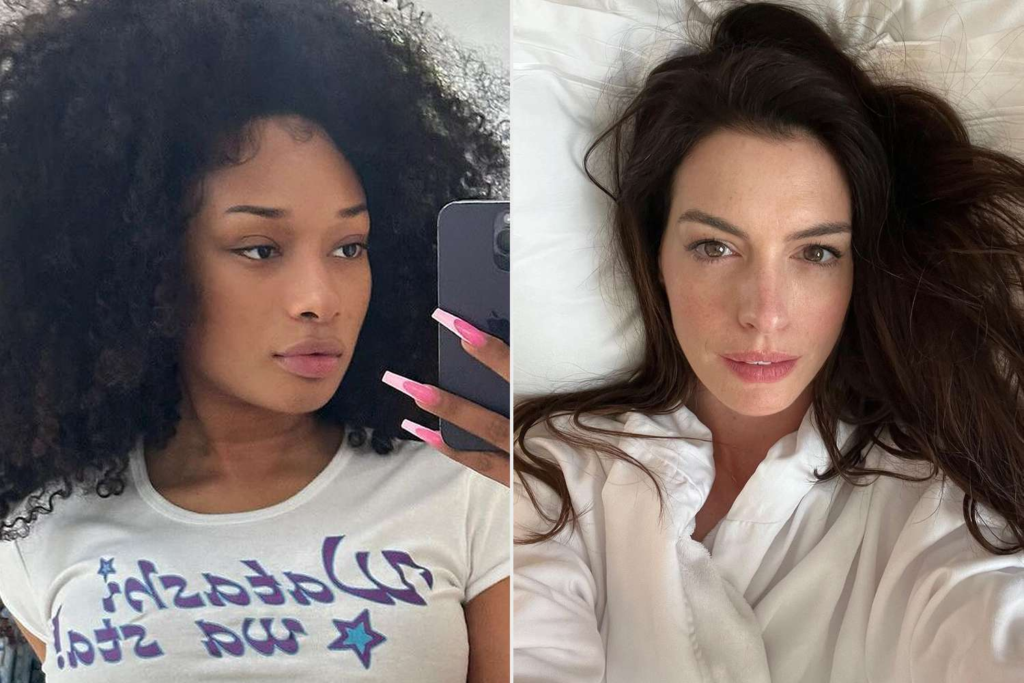
At its core, relatability reduces emotional distance. When audiences see celebrities navigating familiar experiences—parenting stress, career doubts, health struggles, or social awkwardness—it activates identification rather than admiration alone.
Psychologists refer to this as parasocial connection: a one-sided relationship where people feel emotionally connected to public figures they do not know personally. Research from the University of Michigan and UCLA has shown that parasocial bonds feel stronger when audiences perceive similarity and emotional openness.
Relatable celebrities often display:
- Imperfection without chaos
- Vulnerability without oversharing
- Confidence without superiority
These traits make public figures easier to trust. Trust, in turn, increases attention, loyalty, and forgiveness when mistakes occur.
How Media Saturation Changed Celebrity Expectations
The average American now encounters celebrity content dozens of times per day—on social platforms, streaming services, podcasts, and news feeds. This level of exposure changes how fame functions.
In the past, limited access allowed mystery to sustain appeal. Today, constant visibility makes distance feel artificial.
Audiences have learned to recognize:
- Highly managed PR language
- Overproduced personal narratives
- Performative “authenticity”
As a result, relatability has become a filtering mechanism. People subconsciously ask: Does this person seem real enough to trust my attention?
Celebrities who adapt by showing everyday behaviors—waiting in line, making mistakes, speaking casually—signal comfort with transparency rather than control.
Relatability vs. Oversharing: Where Audiences Draw the Line
Relatability does not mean full access. In fact, excessive disclosure can reduce credibility.
Audience research from the Edelman Trust Barometer consistently shows that Americans value honesty with boundaries. Celebrities who maintain privacy while acknowledging real experiences tend to outperform those who share everything.
Effective relatability usually includes:
- Selective personal storytelling
- Contextual vulnerability tied to growth or insight
- Respect for personal and family boundaries
This balance reassures audiences that authenticity is intentional, not exploitative.
Economic and Cultural Factors at Play
Relatability resonates more during periods of uncertainty. In the last decade, Americans have faced:
- Economic volatility
- Public health crises
- Political polarization
- Workplace and identity shifts
During such times, overt displays of wealth or detachment can feel tone-deaf. Relatable celebrities counter this by emphasizing effort, discipline, and shared challenges rather than status.
This explains why:
- Casual clothing and minimal makeup draw positive engagement
- Stories of rejection or failure feel more compelling than success alone
- Career transparency earns respect across political and demographic lines
Relatability becomes a form of cultural alignment.
How Social Media Rewired Celebrity-Audience Dynamics
Platforms like Instagram, TikTok, and YouTube collapsed the traditional gatekeeping structure. Celebrities now communicate directly with audiences, often without filters or intermediaries.
This shift created new expectations:
- Conversational tone over formal messaging
- Visual imperfections over polished imagery
- Real-time reactions over delayed statements
Audiences reward celebrities who understand platform norms rather than resist them. A short, unedited video filmed on a phone often performs better than a professional studio clip because it feels closer to everyday life.
Importantly, relatability does not require constant posting. It requires consistency between public image and personal behavior.
Relatability as a Long-Term Career Strategy
From an industry perspective, relatability supports longevity. Celebrities who remain culturally relevant over decades often evolve from icons into companions—figures audiences grow with rather than look up to from afar.
Relatability helps by:
- Reducing backlash during controversies
- Allowing smoother career transitions
- Supporting multi-generational appeal
When audiences feel emotionally invested, they are more likely to stay engaged through reinvention.
Why Relatable Celebrities Drive Higher Trust
Trust is the foundation of influence. According to Pew Research Center studies on media credibility, Americans increasingly distrust institutions but maintain trust in individuals they perceive as consistent and sincere.
Relatable celebrities often earn trust by:
- Speaking plainly rather than strategically
- Acknowledging uncertainty rather than projecting certainty
- Sharing learning moments instead of only outcomes
This trust extends beyond entertainment into areas like brand partnerships, activism, and public discourse.
Practical Examples of Relatability in Action
Relatability often shows up in small, repeatable behaviors rather than major statements.
Examples include:
- A comedian discussing failed jokes before a special
- An actor talking openly about audition rejection
- A musician explaining creative burnout
- A public figure admitting they changed their mind
These moments work because they normalize imperfection without undermining competence.
What Audiences Are Actively Searching For
Many Americans searching online about celebrities are not looking for luxury or glamour. They are asking:
- “How did they overcome setbacks?”
- “What are they like off-camera?”
- “Do they struggle with the same things I do?”
Content that answers these questions performs well because it meets emotional curiosity rather than surface-level interest.
Common Misconceptions About Relatable Celebrities
Relatability is often misunderstood. It does not mean:
- Pretending to be ordinary
- Downplaying success
- Manufacturing vulnerability
Audiences are highly sensitive to inauthenticity. Relatability works only when it aligns with observable behavior over time.

FAQs: What Readers Often Ask
1. Why do relatable celebrities feel more trustworthy?
Because consistency between words and actions reduces perceived manipulation.
2. Does relatability matter more than talent?
Talent draws attention; relatability sustains it.
3. Are younger audiences more influenced by relatability?
Yes, especially Gen Z and Millennials, who value transparency over polish.
4. Can relatability backfire?
Yes, if it appears staged or excessive.
5. Is relatability different from authenticity?
Authenticity is internal; relatability is how that authenticity connects externally.
6. Why do casual celebrity posts perform better?
They align with everyday user behavior and reduce social distance.
7. Do brands prefer relatable celebrities?
Increasingly yes, due to higher trust and engagement metrics.
8. Does relatability reduce celebrity mystique?
It replaces mystique with connection, which is often more valuable today.
9. Can established stars become relatable later?
Yes, through storytelling and tone shifts.
Why Relatability Is Becoming the New Measure of Influence
Influence today is less about visibility and more about credibility. Relatable celebrities demonstrate that success and humanity are not mutually exclusive. They reflect a broader cultural desire for realism in a world saturated with performance.
As media ecosystems continue to fragment, relatability acts as a stabilizing force—one that rewards consistency, humility, and emotional intelligence over spectacle.
Signals That Truly Matter to Audiences Today
- Emotional honesty without oversharing
- Consistent behavior across platforms
- Respect for audience intelligence
- Growth acknowledged publicly
These signals form the foundation of modern celebrity appeal.
Where Celebrity Appeal Is Headed Next
Relatability is not a passing trend. It reflects a recalibration of power between public figures and audiences. As access increases and trust becomes harder to earn, celebrities who respect the emotional intelligence of their audience will continue to stand out—not because they appear flawless, but because they appear real.
Key Signals Readers Should Remember
- Relatability builds trust more effectively than polish
- Audiences reward consistency over performance
- Emotional honesty drives long-term relevance
- Boundaries strengthen credibility
- Influence now depends on connection, not distance