
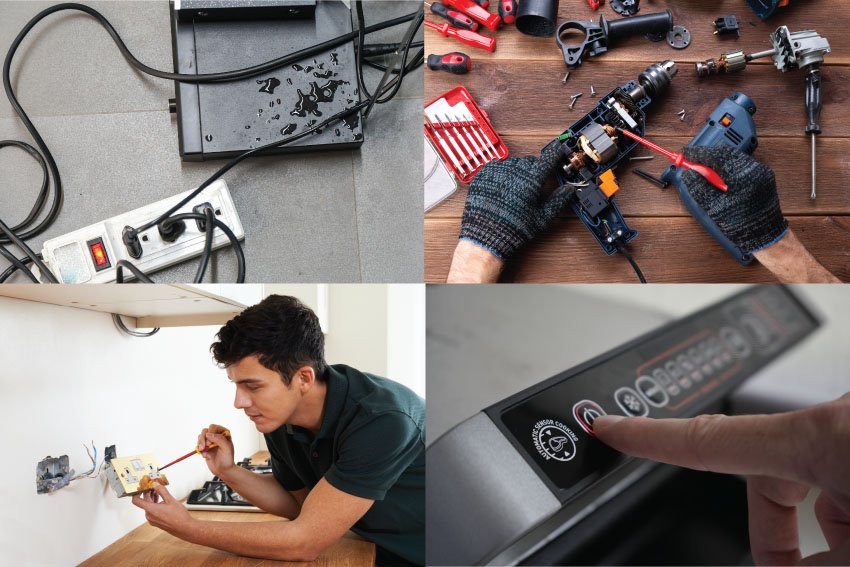
DIY electrical and plumbing projects can save money, but they also carry serious safety and code risks. Before replacing a light fixture or installing a new faucet, homeowners should understand permits, shutoff procedures, building codes, and when to call a licensed professional. This guide outlines practical safety standards, common mistakes, and decision-making frameworks to help you avoid costly or dangerous errors.
Home improvement shows often make electrical and plumbing work look manageable. In reality, these systems form the backbone of your home’s safety. Mistakes can lead to electrical fires, water damage, mold growth, insurance disputes, or failed inspections during resale.
According to the National Fire Protection Association, electrical failures or malfunctions remain a leading cause of home structure fires in the United States. Meanwhile, the Insurance Information Institute reports that water damage and freezing are among the most common homeowners insurance claims.
Before taking on DIY electrical or plumbing work, it’s essential to understand what’s safe, what’s legal, and what’s better left to licensed professionals.
Understanding the Real Risks
Electrical and plumbing systems are interconnected, regulated, and often concealed behind walls. Errors are not always immediately visible.
Electrical mistakes can result in:
- Shock or electrocution
- Overloaded circuits
- Arc faults and fire hazards
- Code violations
Plumbing mistakes can cause:
- Hidden leaks
- Mold growth
- Structural damage
- Sewer gas exposure
The Occupational Safety and Health Administration emphasizes that even low-voltage systems can pose significant hazards if improperly handled.
DIY work is not inherently unsafe—but it requires preparation, correct tools, and respect for regulations.
Do You Need a Permit for DIY Electrical or Plumbing Work?
One of the most common questions homeowners search: Can I legally do my own electrical or plumbing work?
In many U.S. jurisdictions, homeowners are allowed to perform certain work on their primary residence. However, permits are often required for:
- Adding or relocating electrical circuits
- Upgrading service panels
- Installing new plumbing lines
- Replacing water heaters
- Major bathroom or kitchen remodels
Permits protect you. Inspections ensure the work meets code standards such as those outlined by the International Code Council, which publishes widely adopted building codes.
Skipping permits may create complications when selling your home or filing insurance claims.
Before starting, contact your city’s building department and confirm requirements.
Electrical Work: What Homeowners Can Safely Handle
Some electrical tasks are generally considered low-risk when proper precautions are followed.
Typically Safe DIY Electrical Tasks
- Replacing light fixtures
- Installing ceiling fans (existing wiring only)
- Swapping outlets or switches
- Installing smart thermostats (if wiring is compatible)
Even these require careful preparation.
Electrical Safety Basics
- Shut off power at the breaker—not just the switch
- Use a voltage tester to confirm wires are de-energized
- Match wire gauge correctly
- Follow manufacturer instructions precisely
- Secure all wire connections with approved connectors
A common real-world mistake: assuming the correct breaker has been shut off without testing. Always verify with a non-contact voltage tester.
If you encounter aluminum wiring, double-tapped breakers, or a full electrical panel, consult a licensed electrician.
Plumbing Work: What’s Reasonable for DIY?
Plumbing projects vary widely in complexity.
Generally Safe DIY Plumbing Tasks
- Replacing faucets
- Installing showerheads
- Replacing toilet components
- Installing a garbage disposal
- Fixing minor leaks under sinks
However, any work involving main supply lines, gas lines, or sewer connections typically requires professional expertise.
The Environmental Protection Agency notes that household leaks waste nearly 1 trillion gallons of water annually in the U.S. Proper installation and leak testing are critical.
Plumbing Safety Essentials
- Shut off the main water valve when necessary
- Use Teflon tape appropriately
- Avoid overtightening threaded fittings
- Test all connections under pressure
- Monitor repaired areas for 24–48 hours
Water damage often appears slowly. A small drip behind drywall can cause thousands in repairs.
Tools You Should Never Skip
Proper tools reduce risk significantly.
For electrical projects:
- Non-contact voltage tester
- Multimeter
- Insulated screwdrivers
- Wire strippers
- Electrical tape
For plumbing projects:
- Basin wrench
- Pipe wrench
- Plumber’s tape
- Adjustable wrench
- Bucket and absorbent towels
Improvised tools increase the likelihood of stripped fittings or unsafe connections.
When to Call a Licensed Professional
One of the most important decisions isn’t how to do the work—it’s whether you should.
Call a Professional If:
- You’re upgrading an electrical panel
- You’re adding new circuits
- You see signs of overheating or burnt wiring
- Pipes are corroded or galvanized
- You’re relocating plumbing lines
- Gas lines are involved
Electrical service upgrades require load calculations and inspection approvals. Plumbing reroutes affect pressure balance and drainage slope.
Licensed professionals are trained to identify risks you may not see.
Insurance and Liability Considerations
Homeowners often ask: Will my insurance cover DIY mistakes?
Policies vary, but improper or unpermitted work may complicate claims. The Insurance Information Institute advises homeowners to maintain documentation of repairs and confirm coverage details.
If DIY work leads to fire or water damage and inspections reveal code violations, claim disputes may arise.
Keeping records, permits, and receipts is essential.
Preparing Your Home Before Starting
Before beginning any electrical or plumbing project:
- Photograph existing conditions
- Label wires or pipes clearly
- Shut off utilities fully
- Clear workspace access
- Inform household members
Preparation reduces rushed decisions and confusion during reassembly.
A careful setup phase often determines the project’s success.
Common DIY Mistakes to Avoid
Many safety issues stem from preventable oversights.
- Failing to test wires before touching
- Mixing incompatible pipe materials
- Ignoring local code requirements
- Overloading circuits
- Using incorrect wire gauge
- Forgetting to secure permits
Learning from others’ mistakes can save significant time and expense.
Frequently Asked Questions
1. Is it safe to replace a light switch yourself?
Yes, if you shut off power at the breaker and verify with a tester.
2. Do I need a permit to replace a water heater?
Often yes. Check local building department requirements.
3. Can I install a new electrical outlet on my own?
Replacing an existing outlet is usually manageable; adding new circuits often requires a permit.
4. How do I know if my wiring is outdated?
Knob-and-tube or aluminum wiring should be evaluated by a licensed electrician.
5. Is it safe to work on plumbing without turning off the main valve?
For minor faucet repairs, local shutoffs may suffice. For larger work, shut off the main supply.
6. What’s the biggest risk in DIY electrical work?
Improper connections that create fire hazards behind walls.
7. How long should I monitor plumbing repairs for leaks?
At least 24–48 hours under normal water use.
8. Can unpermitted work affect home resale?
Yes. Buyers may request documentation or price reductions.
9. Should I upgrade my electrical panel myself?
No. Panel upgrades require licensed expertise and inspection.
10. Are online tutorials enough to learn plumbing safely?
They help, but they cannot replace code knowledge and hands-on training.
Building Confidence Without Taking Unnecessary Risks
DIY electrical and plumbing projects require humility as much as skill. Recognizing limits is a strength—not a weakness.
Minor upgrades can be completed safely with preparation and proper tools. Larger system changes demand professional oversight.
The goal isn’t to avoid DIY altogether—it’s to approach it responsibly.
A safe home is always more valuable than a completed project.
Know Your Limits, Protect Your Home
Home systems operate quietly in the background—until something goes wrong. Electrical shorts and hidden leaks rarely announce themselves early.
Before you pick up a screwdriver or pipe wrench, pause and evaluate the scope, permits, and safety implications. Small, well-planned improvements can enhance comfort and efficiency. High-risk modifications, however, deserve professional expertise.
Protecting your household should always outweigh potential savings.
Safety Snapshot Checklist
- Confirm permit requirements
- Shut off utilities at source
- Test for live wires
- Use proper tools
- Follow local building codes
- Avoid panel or main line modifications
- Document all work
- Monitor for post-project issues