
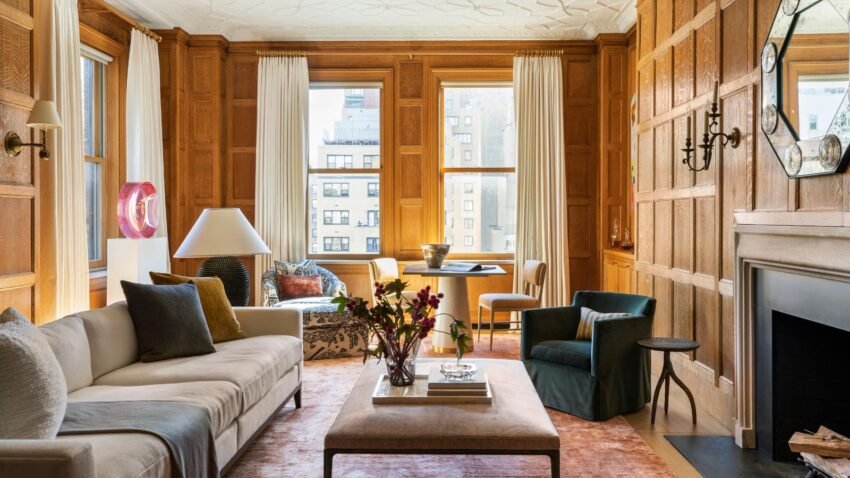
DIY design trends in American homes this year emphasize personalization, sustainability, and practical upgrades. Homeowners are embracing warm color palettes, functional built-ins, natural materials, and budget-conscious kitchen refreshes. Backed by insights from national housing and remodeling organizations, this guide explores emerging styles that are achievable without contractors—and explains how to implement them thoughtfully and responsibly.
American homeowners are approaching design differently this year. Instead of large-scale renovations, many are prioritizing manageable DIY projects that improve daily living while reflecting personal style. Rising labor costs and shifting lifestyle needs have accelerated this shift.
According to the Home Improvement Research Institute, homeowners continue to favor smaller, incremental upgrades over major remodels. At the same time, design surveys from the American Institute of Architects indicate increased interest in flexible spaces, sustainable materials, and warmth-driven aesthetics.
Below are the DIY design trends gaining traction—and how homeowners can implement them confidently.
1. Warm, Earth-Toned Color Palettes
Cool grays are giving way to warmer neutrals—clay, muted terracotta, olive, and soft beige tones. Paint remains one of the most cost-effective DIY design tools.
Many homeowners ask: What paint colors make a home feel updated but not trendy?
The answer lies in versatile, nature-inspired shades that complement wood tones and natural light.
Practical Implementation
- Repaint accent walls in earthy tones
- Refresh kitchen cabinets with warm neutrals
- Pair paint updates with matte black or brushed brass hardware
Real-world example: A homeowner in Colorado updated a gray living room with a muted clay accent wall and lighter trim, creating visual depth without overwhelming the space.
Estimated cost: $200–$600 per room
Skill level: Beginner
2. Functional Built-Ins and Storage Walls
As remote work continues to influence home layouts, built-in shelving and storage walls are increasingly popular. Rather than custom carpentry, many homeowners are modifying prefabricated units for a custom look.
The National Association of Home Builders reports continued demand for home offices and multifunctional spaces.
DIY Approach
- Install ready-made bookcases and anchor them securely
- Add trim to create a built-in appearance
- Paint shelving the same color as the wall for cohesion
This trend prioritizes function over decoration, aligning design with daily needs.
3. Natural Materials and Textural Contrast
Homeowners are gravitating toward wood, stone, linen, and rattan elements. The goal is warmth and authenticity rather than polished minimalism.
DIY-friendly upgrades include:
- Replacing laminate shelving with solid wood
- Installing peel-and-stick stone veneer accents
- Swapping synthetic rugs for natural fiber options
Many ask: How can I add texture without a full remodel?
Layering materials—wood shelves against painted walls, woven lighting fixtures, or linen curtains—adds dimension without structural changes.
4. Kitchen Refreshes Instead of Full Renovations
Kitchen remodels remain expensive. According to cost data commonly referenced by the National Association of Realtors, full renovations often exceed $20,000.
Instead, homeowners are choosing targeted DIY updates:
- Painting cabinets
- Replacing hardware
- Installing modern backsplash tile
- Upgrading lighting fixtures
These incremental changes improve appearance without altering plumbing or layout.
Estimated DIY kitchen refresh budget: $1,000–$3,000
Timeframe: Several weekends
5. Statement Lighting as a Focal Point
Lighting has shifted from purely functional to decorative.
Homeowners frequently search: Can I install a pendant light myself?
Yes—if wiring is straightforward and power is safely shut off.
Trending DIY lighting choices include:
- Oversized woven pendants
- Matte black chandeliers
- Vintage-inspired sconces
The U.S. Department of Energy continues to emphasize LED efficiency, so pairing aesthetic upgrades with energy-saving bulbs supports long-term savings.
6. Outdoor Living Enhancements
American homeowners are investing in patios, decks, and small backyard improvements.
DIY-friendly projects gaining momentum include:
- Gravel seating areas with fire pits
- Raised garden beds
- String lighting installations
- DIY pergolas from prefabricated kits
Outdoor spaces extend usable square footage without interior remodeling.
7. Softly Defined Spaces Instead of Open Concept
Open floor plans remain common, but homeowners are subtly redefining spaces using design rather than walls.
Techniques include:
- Bookcase room dividers
- Accent paint zones
- Area rugs to anchor seating
- Slatted wood partition panels
These projects allow flexibility without structural alteration.
8. Sustainable and Energy-Conscious Design
Environmental considerations continue to shape DIY decisions.
The U.S. Environmental Protection Agency promotes energy-efficient lighting and water-saving fixtures, while consumer surveys show increased interest in sustainability.
DIY sustainability upgrades include:
- Installing low-flow showerheads
- Replacing old thermostats with programmable models
- Using reclaimed wood materials
- Choosing low-VOC paint
These choices align aesthetics with long-term responsibility.
9. Mixed Metal Finishes
Uniform hardware finishes are being replaced with thoughtful combinations.
For example:
- Brushed brass cabinet pulls
- Matte black faucets
- Stainless steel appliances
The key is coordination rather than strict matching. DIY hardware swaps remain one of the simplest high-impact updates.
10. Personalized, Collected Interiors
Rather than showroom uniformity, homeowners are mixing vintage finds with modern pieces.
DIY projects supporting this trend include:
- Refinishing thrifted furniture
- Creating gallery walls
- Framing personal photography
- Updating old dressers with new hardware
The emphasis is authenticity over replication.
How to Decide Which Trend Fits Your Home
Before starting, ask:
- Does this improve function or only aesthetics?
- Will it complement existing architecture?
- Can I complete it within my skill level?
- Does it align with long-term resale goals?
Trends are most effective when adapted—not copied directly.
Frequently Asked Questions
1. What DIY design trend is most budget-friendly?
Paint updates and hardware replacements offer strong visual impact at lower cost.
2. Are warm tones replacing gray completely?
Not entirely, but warmer neutrals are increasingly favored.
3. Can built-ins increase home value?
Functional storage often improves buyer perception.
4. Are peel-and-stick materials durable?
Quality varies; research product reviews carefully.
5. How do I mix metals without clashing?
Choose one dominant finish and one accent finish.
6. Are outdoor DIY projects worth it?
Improved outdoor spaces can enhance daily living and resale appeal.
7. Is sustainable design more expensive?
Some materials cost more upfront but may reduce long-term energy costs.
8. Should I follow trends if I plan to sell soon?
Neutral updates tend to have broader appeal.
9. What’s the safest beginner design project?
Painting, hardware swaps, and lighting upgrades are generally manageable.
10. How often do design trends shift?
Core elements evolve gradually; personalization outlasts trend cycles.
Where Design Meets Practical Living
DIY design trends this year reflect a broader shift toward intentional living. Instead of dramatic overhauls, homeowners are refining spaces with thoughtful, manageable upgrades. Warm tones, functional storage, sustainable choices, and personalized details all point toward comfort and adaptability.
Design works best when it enhances how a home functions day to day. By choosing projects aligned with skill level and long-term goals, homeowners can refresh their spaces without unnecessary risk.
Thoughtful DIY design is not about chasing novelty. It is about creating homes that feel balanced, practical, and distinctly personal.
Trend Snapshot for Quick Planning
- Warm, earthy color palettes
- Functional built-ins
- Natural textures and materials
- Budget-friendly kitchen refreshes
- Statement lighting
- Outdoor living improvements
- Flexible room zoning
- Sustainable upgrades
- Mixed metal finishes
- Personalized décor elements