
Summary
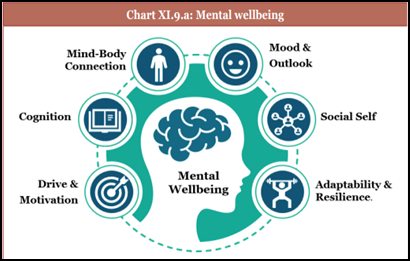
In an era of nonstop digital exposure, celebrities must delicately balance public visibility with personal privacy and audience expectations. This article explores how today’s public figures strategically manage their image, protect private life, and address fans’ curiosity while maintaining mental well-being and career longevity. Real-world examples and research illuminate the challenges and practical approaches public figures take in navigating modern fame.
The Modern Celebrity Paradox: Visibility vs. Privacy
In the digital age, being a celebrity means existing in a world where nearly everything is observable, interpretable, and shareable. Public figures—from A-list actors to viral social media personalities—navigate a landscape in which their professional visibility can fuel success, yet their private lives remain vulnerable to scrutiny and intrusion. Modern celebrity is, paradoxically, both more public and harder to control than ever before.
The rise of social media has blurred the lines between public persona and personal existence. Celebrities now engage directly with millions of fans online, offering curated glimpses into their lives while facing an ever-present pressure to maintain relevance. This duality creates an ongoing challenge: how to harness public attention without sacrificing autonomy and emotional well-being.
Why Privacy Matters for Celebrities
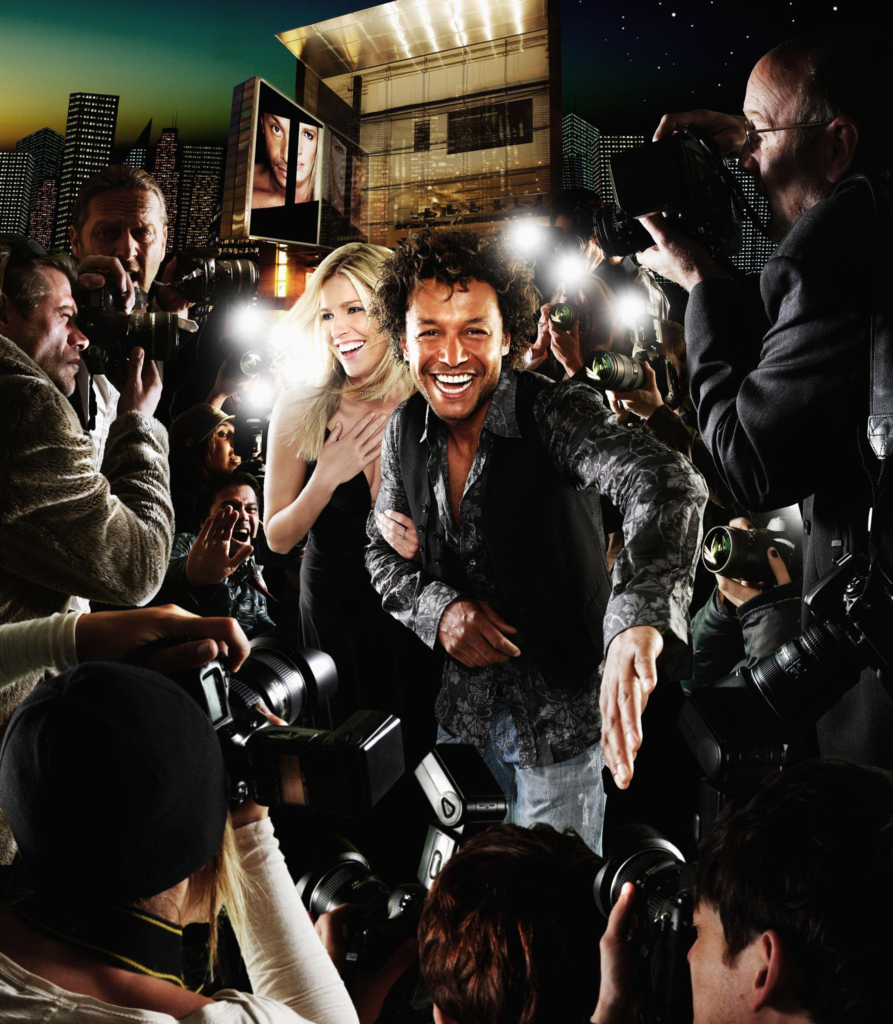
At its core, privacy is a human right: the ability to control one’s personal space and information without unwarranted interference. For celebrities, that boundary often feels porous or illusory. While a public presence is intrinsic to their profession, the intrusion into non-professional aspects of life can have serious consequences—emotional, psychological, and even physical.
Studies show that fame can lead to significant personal challenges including loss of privacy, isolation, and heightened public expectation. These stressors can affect mental health and relationships with friends, family, and fans, making privacy preservation an essential component of sustainable celebrity life.
Moreover, legal protections for privacy vary by jurisdiction and are often less effective in practice than theory, especially in the United States where the First Amendment and press freedoms frequently outweigh individual privacy claims. Recent legal commentary highlights how existing remedies for privacy violations are often inadequate, leaving celebrities and their families exposed to intrusion.
Strategic Privacy: How Celebrities Draw the Line
Many celebrities have developed thoughtful strategies to keep their personal lives distinct from their public personas. These approaches vary widely depending on personal preference, career stage, and audience dynamics.
Selective Disclosure
Some public figures choose to share only what they control. For instance, acclaimed actor Leonardo DiCaprio has publicly discussed his approach of limiting appearances and interviews to moments of meaning or relevance, deliberately reducing overexposure and preserving private life. This intentional restraint not only helps protect his personal boundaries but also enhances his professional longevity.
Likewise, other celebrities opt for a “controlled reveal” model: offering glimpses of life that feel authentic but are carefully curated. This practice satisfies some public curiosity without opening every facet of private life to documentation.
Family and Personal Boundaries
Celebrity parents, in particular, face unique pressure to protect not only their own privacy but that of their children. Many adopt strict rules about not sharing children’s images online, turning down paparazzi access during family outings, or even rejecting coverage of significant personal moments. While demanding, these boundaries are often cited as critical for emotional stability and a sense of normalcy for children.
Public Expectation: Engagement in the Digital Age
Modern audiences crave connection. Social media platforms give fans unprecedented access to celebrity life, but this access comes with expectations—both subtle and overt—that can be difficult to calibrate.
The Social Media Tightrope
Celebrities who are charismatic or relatable online often attract enormous followings. Yet the intuition that “more access equals more popularity” is not always true. Research into celebrity social media activity reveals that there is a nuanced relationship between private content and popularity: too little sharing can reduce engagement, while too much can erode privacy and invite backlash.
For this reason, many public figures adopt a disciplined content strategy, balancing personal insights with professional content to foster connection without overexposure. They publish selectively, often with the guidance of management teams who understand audience analytics and timing.
Para-Social Relationships
Fans develop what psychologists call “parasocial relationships”—one-sided emotional bonds with public figures. These can be powerful and meaningful for audiences, but they also raise expectations for access and response. Celebrities must navigate these dynamics carefully, offering engagement that feels real without compromising personal space or well-being.
Media, Narratives, and Public Perception
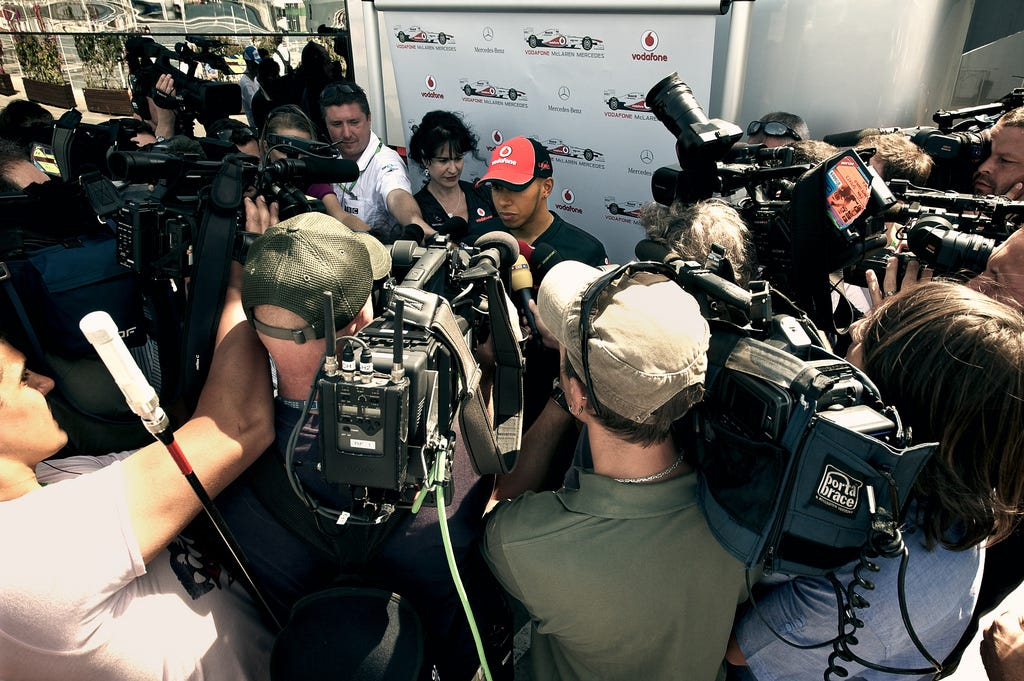
The media plays a pivotal role in shaping public narratives around celebrities. Traditional outlets, digital news platforms, and gossip sites all contribute to public perception, often amplifying curiosity beyond context or nuance.
Some celebrities respond by controlling their narrative through exclusive interviews, thoughtful public statements, or authored work that re-frames their story on their terms. Others work with public relations professionals to refine messaging that supports authenticity without oversharing.
The strategic use of interviews, controlled press releases, and selective collaborations can help balance visibility with dignity, fostering a sense of trust and respect from audiences.
Practical Tools Celebrities Use to Protect Privacy
While individual strategies vary, many celebrities employ a combination of practical tools and professional supports to manage fame and privacy effectively. These can include:
- Selective Social Media Sharing: Posting moments that align with personal boundaries and long-term brand messaging.
- Professional Public Relations: Working with PR teams to coordinate what information enters public discourse.
- Legal Protections: Pursuing legal counsel on privacy rights and appropriate actions when boundaries are violated.
- Digital Security Measures: Using cybersecurity tools to protect personal accounts and limit unauthorized data leaks.
- Support Networks: Relying on family, friends, and mental health professionals to maintain emotional stability behind the scenes.
What Audiences Can Understand About Boundaries
For audiences, recognizing the human element behind celebrity personas is essential. Interest in a public figure’s life is natural, but it becomes problematic when it overrides respect for personal autonomy. Awareness of the pressures associated with fame can help cultivate empathy and a healthier fan dynamic.
Respecting boundaries does not lessen admiration—it can enhance the quality of engagement by valuing depth over voyeurism.
Balancing Act: A Continual Process
Success in balancing fame, privacy, and public expectations is not a one-time achievement but an evolving process. As public platforms change, audiences grow more connected, and cultural norms shift, celebrities continually adjust their approaches to maintain equilibrium.
What holds true across contexts is the importance of intention, self-awareness, and strategic communication in navigating the modern celebrity experience.

Frequently Asked Questions
1. Do celebrities have a legal right to privacy?
Yes, celebrities retain privacy rights, but these are often weighed against press freedoms and public interest, making legal protection complex.
2. How does social media affect celebrity privacy?
Social media both democratizes communication and increases scrutiny, blurring lines between public persona and personal life.
3. Why do some celebrities avoid social media?
Many avoid or limit social media to protect mental health, reduce pressure, and maintain personal life boundaries.
4. Can celebrities control what the media publishes about them?
Celebrities can attempt to shape narratives through controlled releases, but they cannot fully control media coverage.
5. How do celebrities protect their children’s privacy?
By limiting public exposure of children, declining certain interviews, and setting clear personal rules about family content posting.
6. What is “parasocial interaction”?
A one-sided emotional attachment fans develop toward public figures, often intensified by social media.
7. Why is selective sharing effective for celebrities?
It satisfies audience curiosity while maintaining personal boundaries and reducing exposure risks.
8. How do celebrities manage public criticism?
Many adopt mental health support practices, engage strategic communication teams, or purposefully limit exposure to negative commentary.
9. Are there benefits to celebrities sharing personal stories?
Yes; sharing some personal experiences can foster connection, support destigmatization, and enhance credibility when done thoughtfully.
10. How do cultural expectations influence celebrity behavior?
Cultural norms and audience expectations shape how celebrities communicate, behave publicly, and manage private boundaries.
Closing Reflection: The Invisible Balancing Act
Navigating fame in the modern era is akin to balancing on a shifting tightrope. Celebrities walk a line between sharing enough to remain visible, yet withholding enough to sustain private identity and emotional well-being. The art of this balance lies not in complete exposure or total secrecy, but in intentional, strategic choices that align public presence with personal integrity.
Core Insights Recapped:
- Privacy and fame coexist in dynamic tension.
- Strategic sharing strengthens connection without overexposure.
- Legal and personal boundaries require thoughtful negotiation.
- Audience expectations shape celebrity behavior.