
Summary
Sustainable living in the U.S. is shifting from niche activism to everyday practice. This evolution is less about radical change and more about practical decisions—how homes are built, how energy is used, and how daily habits adapt. This guide explores what sustainable lifestyles look like today, grounded in data, experience, and real-world applicability.
The Subtle Shift Americans Are Making—Often Without Noticing
Sustainable living no longer arrives with protest signs or dramatic lifestyle overhauls. For many Americans, it enters quietly—through an energy-efficient appliance, a reusable grocery bag, or a thermostat that adjusts itself overnight. The modern sustainable lifestyle is defined less by ideology and more by practicality.
This shift reflects a broader cultural change. According to the Pew Research Center, a majority of Americans now support environmental protection even when it requires lifestyle adjustments. Yet most don’t describe themselves as “environmentalists.” Instead, sustainability has become a series of sensible choices layered into everyday life.
What’s notable is not how loud this movement has become—but how normalized.
Why Sustainability Has Moved Into the Mainstream
Several forces are converging to make sustainable lifestyles more accessible and appealing:
- Rising utility costs pushing energy efficiency
- Improved technology reducing friction
- Health concerns tied to air quality, food, and materials
- Greater transparency in consumer products
Importantly, sustainability has shed much of its former reputation for inconvenience. LED lighting, once expensive and harsh, is now affordable and warm-toned. Electric vehicles are no longer experimental. Compostable materials are increasingly mainstream.
The result is a lifestyle evolution driven by comfort, savings, and long-term thinking—not sacrifice.
Homes as the Starting Point of Sustainable Change
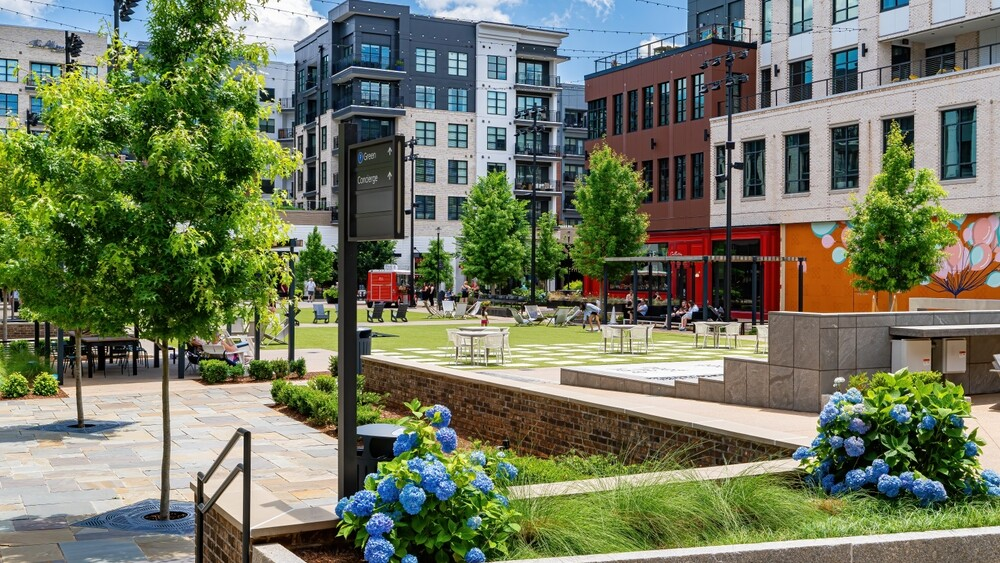
For many households, sustainability begins at home—not as a philosophy, but as a financial and functional decision.
Residential buildings account for roughly 20% of U.S. energy consumption, according to the U.S. Energy Information Administration. That makes housing one of the most impactful areas for change.
Common home-based sustainability upgrades include:
- Improved insulation and weather sealing
- ENERGY STAR–certified appliances
- Smart thermostats and lighting systems
- Low-flow water fixtures
These upgrades often pay for themselves. The Department of Energy estimates that sealing air leaks alone can reduce heating and cooling costs by up to 15%.
Crucially, most homeowners don’t frame these changes as “going green.” They see them as sensible home improvements—yet the environmental benefits are real.
The Rise of Passive Sustainability
One of the most significant developments in sustainable living is the rise of passive systems—solutions that work automatically once installed.
Examples include:
- Programmable thermostats that reduce energy use without daily input
- Solar panels that offset grid electricity with minimal maintenance
- Native landscaping that lowers water use without ongoing effort
Passive sustainability succeeds because it doesn’t rely on constant motivation. Once in place, it quietly delivers benefits year after year.
This design philosophy—build it once, benefit continuously—is reshaping both new construction and renovations across the U.S.
Habits Matter More Than Labels
While home upgrades matter, daily habits still account for a substantial share of environmental impact. The difference today is that these habits are increasingly integrated into routine life.
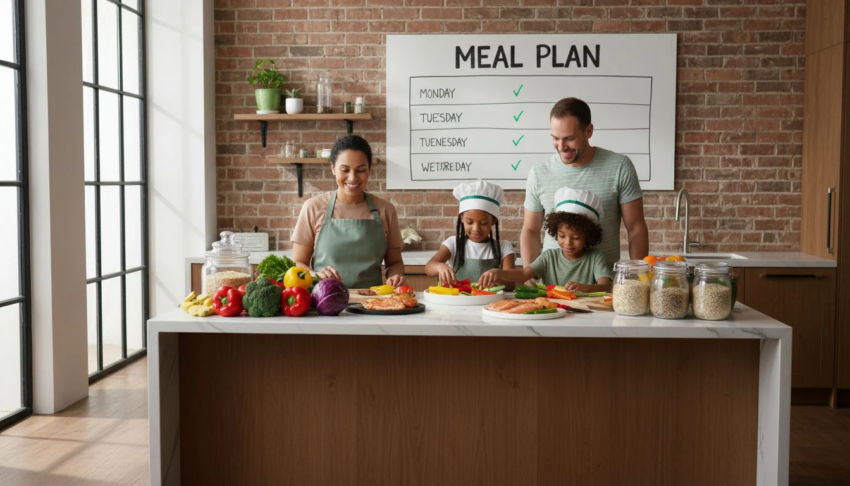
Consider food consumption. Reducing food waste—now estimated at nearly 40% of the U.S. food supply—often begins with simple planning and storage habits. Households that meal-plan and freeze leftovers typically reduce waste without changing what they eat.
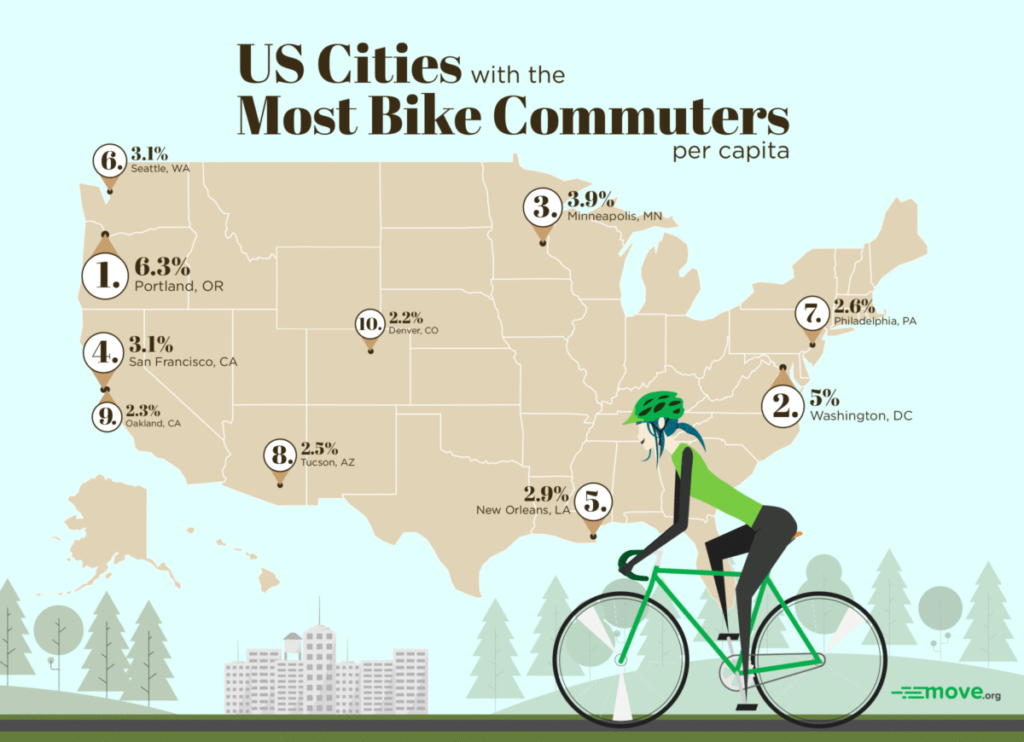
Transportation offers another example. Remote work, flexible schedules, and mixed-use neighborhoods have reduced vehicle miles traveled for millions of Americans. These shifts weren’t primarily environmental decisions, yet they significantly lower emissions.
Sustainable habits today are often side effects of convenience.
Consumer Choices: Less About Perfection, More About Direction
Modern sustainability thinking recognizes a critical truth: perfection is neither realistic nor necessary.
Instead of eliminating all plastic or buying only local goods, many Americans now focus on incremental improvements:
- Choosing products with longer lifespans
- Supporting companies with transparent sourcing
- Repairing rather than replacing when feasible
Life cycle assessments consistently show that durability often matters more than material. A well-made item used for years can outperform a “green” product replaced frequently.
This reframing reduces guilt and encourages consistency—both essential for long-term behavior change.
Health, Comfort, and Sustainability Are Converging
One reason sustainable lifestyles are gaining traction is their overlap with personal well-being.
Indoor air quality improvements, for example, benefit respiratory health. Non-toxic cleaning products reduce exposure to harsh chemicals. Natural light and energy-efficient windows improve comfort while lowering energy use.
The Environmental Protection Agency notes that Americans spend about 90% of their time indoors—making home environments a critical health factor.
Sustainability, in this sense, becomes a quality-of-life upgrade rather than an abstract moral choice.
Economic Reality: Sustainability as Risk Management
Sustainable living is increasingly framed as financial resilience.
Energy-efficient homes are less vulnerable to utility price spikes. Water-wise landscaping reduces exposure to drought restrictions. Durable goods buffer against supply chain disruptions.
Insurers and lenders are beginning to factor resilience into valuations, particularly in regions prone to extreme weather. What was once “green living” is now often understood as long-term risk reduction.
This pragmatic framing resonates strongly with American households planning for the future.
Barriers Still Exist—But They’re Changing
Despite progress, obstacles remain. Upfront costs, rental limitations, and information gaps still slow adoption. However, these barriers are gradually eroding.
Federal and state incentives continue to expand. Utility companies increasingly offer rebates. Renters have more access to portable efficiency tools like plug-in energy monitors and LED upgrades.
Perhaps most importantly, reliable information is more accessible than ever—allowing households to make informed decisions without needing technical expertise.
What Sustainable Living Looks Like in Practice
In real life, sustainable lifestyles rarely appear dramatic. They look like:
- A family cooking more meals at home to reduce waste and cost
- A homeowner choosing heat pumps during a routine HVAC replacement
- A renter using smart power strips to cut phantom energy loads
- A commuter combining transit and remote work to reduce driving
These are not headline-grabbing actions. But collectively, they represent a meaningful cultural shift.

Frequently Asked Questions
Is sustainable living expensive?
It can require upfront investment, but many changes lower long-term costs through efficiency and durability.
Do individual actions really matter?
Yes. Household energy use, transportation, and consumption patterns collectively represent a major share of emissions.
What’s the easiest place to start?
Energy efficiency—lighting, insulation, and appliances—offers fast returns with minimal lifestyle disruption.
Can renters live sustainably?
Absolutely. Portable solutions and daily habits still make a measurable difference.
Is sustainability mainly about climate change?
Climate is a major factor, but health, cost, and resilience are equally important drivers.
Do sustainable products always perform better?
Not always. Longevity and proper use often matter more than labels.
How does sustainability affect home value?
Energy-efficient and resilient homes increasingly command higher resale value.
Is it possible to live sustainably without major sacrifices?
For most households, yes. Modern sustainability prioritizes integration over deprivation.
Are government incentives worth exploring?
Often. Tax credits and rebates can significantly reduce upgrade costs.
The Long View: Why This Evolution Matters
The quiet evolution of sustainable lifestyles reflects something deeper than environmental awareness. It signals a shift in how Americans define progress—less about excess, more about durability and adaptability.
This isn’t a trend driven by urgency alone. It’s shaped by lived experience, economic logic, and a growing understanding that long-term comfort depends on thoughtful choices today.
Sustainability’s future in the U.S. will likely remain understated—and that may be its greatest strength.
Key Patterns Shaping the Shift
- Sustainability is increasingly passive, not performative
- Homes are central to long-term impact
- Health, comfort, and savings drive adoption
- Incremental change outperforms perfection
- Practicality is replacing ideology