

Summary
Sustainable living is no longer defined by sacrifice or extremes. Across the U.S., subtle shifts in technology, design, pricing, and everyday habits are making eco-friendly choices easier, more affordable, and more practical than ever. This article explores how sustainability is quietly integrating into modern American life—one decision at a time.
For years, sustainable living carried an image problem in the United States. It was often framed as expensive, inconvenient, or reserved for people willing to overhaul their lives completely. That perception is steadily changing—not because Americans suddenly became environmental idealists, but because sustainability itself became easier to live with.
Today’s shift toward eco-friendly living is quieter and more practical. It shows up in how homes are built, how products are designed, how cities function, and how families make everyday choices. Instead of asking people to do more, sustainable living increasingly asks them to do things slightly differently—and often with added benefits like cost savings, comfort, or convenience.
This evolution explains why sustainability is moving from the margins into the mainstream.
From Idealism to Infrastructure
One of the biggest reasons sustainable living feels more achievable is that responsibility has shifted away from individuals alone. Infrastructure, policy, and industry now do much of the heavy lifting.
Energy-efficient appliances, for example, are no longer niche purchases. Federal efficiency standards and labeling programs such as Energy Star have reshaped the market. Consumers don’t need deep technical knowledge to make better choices; efficiency is built into default options.
Similarly, building codes across many states now require improved insulation, smarter ventilation, and better energy performance. According to data from the U.S. Energy Information Administration, residential energy use per household has declined over time even as home sizes increased—a sign that efficiency gains are doing real work.
The shift is structural. Sustainability increasingly happens in the background.
Why Eco-Friendly Choices Feel Less Like Sacrifices
A major barrier to sustainable living has always been perceived inconvenience. That friction is shrinking.
Reusable products now outperform disposables in many categories. LED lighting delivers better quality light with lower energy use. Electric lawn tools eliminate fuel storage, noise, and maintenance hassles. These aren’t compromises—they’re upgrades.
Several factors contribute to this shift:
- Design maturity: Sustainable products are no longer early-generation experiments.
- Economies of scale: Wider adoption has lowered costs.
- Consumer demand: Buyers expect sustainability without giving up performance.
The result is a growing class of products that simply work better while also reducing environmental impact.
The Quiet Economics of Sustainability
Cost remains a decisive factor for most American households. What’s changed is the math.
While some sustainable options still carry higher upfront prices, lifetime costs often favor eco-friendly choices. Energy-efficient appliances, insulation upgrades, and smart thermostats consistently show payback through lower utility bills.
According to the U.S. Environmental Protection Agency, American households that adopt common efficiency upgrades can save hundreds of dollars annually on energy expenses.
More importantly, price gaps are narrowing. In many categories—lighting, cleaning products, basic home goods—eco-friendly options are now price-competitive with conventional alternatives.
Sustainability is no longer a luxury category; it’s increasingly a value category.
Sustainability Is Becoming Invisible—and That’s a Good Thing
One of the most meaningful changes in sustainable living is how little it demands attention.
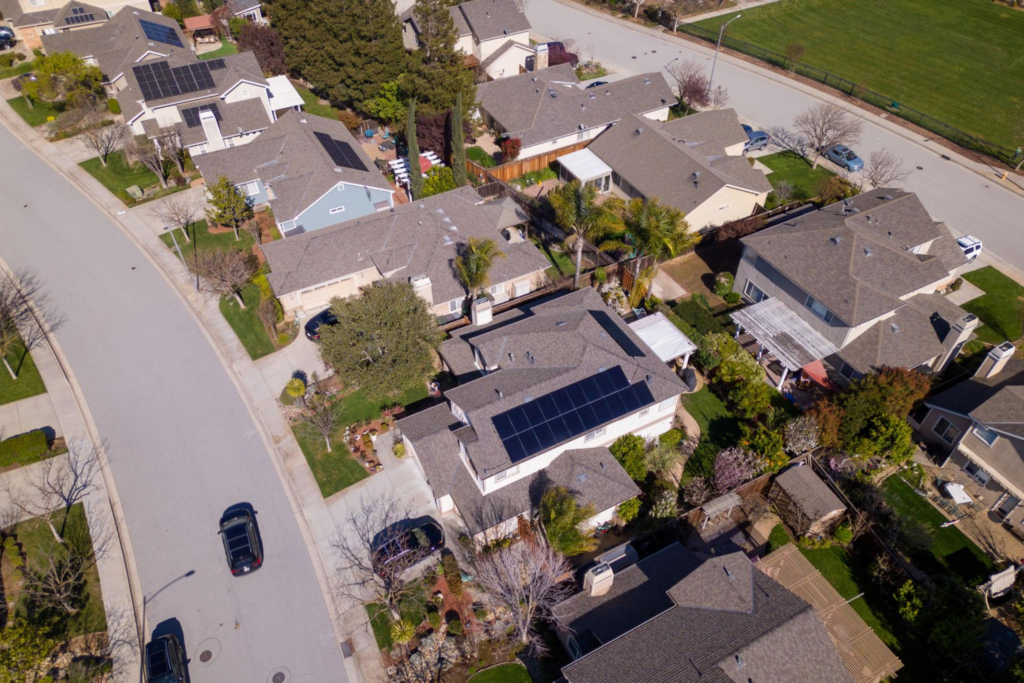
Modern washing machines automatically optimize water use. Smart power strips reduce phantom energy loads without user intervention. Cities adjust traffic signals to reduce idling emissions. Consumers benefit without constantly thinking about sustainability.
This invisibility matters. Research consistently shows that habits stick best when they require minimal ongoing effort. Sustainable living now fits into existing routines instead of asking people to replace them entirely.
Food Choices Without Lifestyle Overhauls
Food is often where sustainability discussions become emotionally charged. But here too, subtle shifts are doing more than radical diets ever could.
Americans are:
- Buying more seasonal produce
- Reducing food waste through better storage and planning
- Choosing proteins with lower environmental footprints more often—not exclusively
The U.S. Department of Agriculture estimates that food waste accounts for roughly 30–40% of the U.S. food supply. Reducing waste—rather than changing what people eat—has become one of the most effective sustainability strategies available to households.
This reframing lowers resistance and increases participation.
Housing Trends That Normalize Efficiency
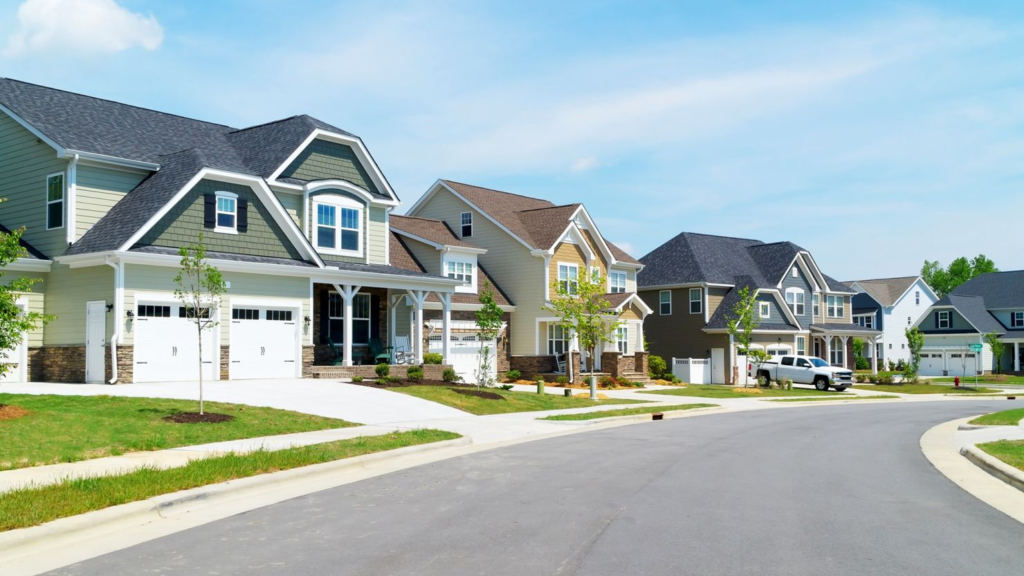
Sustainable housing used to mean custom builds or niche developments. Today, energy efficiency is becoming standard in mainstream construction.
Developers increasingly incorporate:
- High-performance windows
- Better insulation and air sealing
- Efficient HVAC systems
Homebuyers may not ask for “sustainability,” but they do care about comfort, air quality, and monthly costs. These priorities align naturally with green building principles.
According to the U.S. Census Bureau, newer homes consistently use less energy per square foot than older housing stock—a trend driven by both regulation and consumer expectations.
Technology as an Enabler, Not a Distraction
Technology often gets blamed for environmental problems, but it has also become one of sustainability’s strongest enablers.
Apps now help households track energy use, optimize grocery purchases, and reduce waste. Electric vehicles, once considered impractical, now benefit from expanding charging infrastructure and improved battery ranges.
What’s changed isn’t just the technology—it’s usability. Sustainable tech increasingly integrates seamlessly into daily life rather than demanding constant engagement.
Social Norms Are Quietly Catching Up
Behavioral science shows that people are more likely to adopt habits they see as normal. Sustainable living benefits from a slow but steady shift in social expectations.
Reusable bags, water bottles, and energy-efficient lighting are no longer signals of activism; they’re standard behavior. Offices, schools, and apartment buildings increasingly bake sustainability into default operations.
Normalization reduces friction. When eco-friendly choices feel routine, adoption accelerates naturally.
Frequently Asked Questions
1. Is sustainable living still expensive in the U.S.?
Not necessarily. Many sustainable choices now save money over time, and price gaps continue to shrink.
2. Do small lifestyle changes really make a difference?
Yes. Aggregated across millions of households, small efficiency gains have measurable impact.
3. Is sustainability mainly about consumer choices?
No. Infrastructure, policy, and design increasingly handle much of the work.
4. Can renters live sustainably?
Absolutely. Energy use, food waste reduction, and purchasing choices matter regardless of ownership.
5. Are eco-friendly products regulated?
Many categories follow federal efficiency standards and third-party certifications.
6. Does sustainable living require strict diets or rules?
No. Incremental changes are often more effective and sustainable long term.
7. Is technology helping or hurting sustainability?
When designed well, technology reduces waste and improves efficiency.
8. How reliable is sustainability data?
Federal agencies and academic institutions provide well-vetted data sources.
9. Is sustainable living becoming mainstream?
Yes. Adoption is increasingly driven by convenience, cost, and comfort.
A Cultural Shift That Doesn’t Ask for Perfection
Perhaps the most important change is philosophical. Sustainable living is no longer framed as an all-or-nothing identity. It’s a spectrum of choices shaped by circumstance, budget, and access.
That flexibility makes participation possible for more people. And when sustainability adapts to real life—rather than demanding transformation—it becomes resilient.
What This Shift Means Going Forward
Sustainability’s future in the U.S. is likely to be defined less by dramatic gestures and more by steady refinement. Better systems. Smarter defaults. Fewer tradeoffs.
The most effective environmental changes rarely feel revolutionary in the moment. They simply become how things are done.
The Quiet Signals Worth Paying Attention To
- Sustainability is embedded into products, not marketed as an add-on
- Cost savings increasingly align with environmental benefits
- Everyday systems now handle much of the impact reduction
- Normalization matters more than perfection