
Summary
An eco-friendly lifestyle in American homes is less about dramatic change and more about practical, everyday decisions. From energy use and food choices to purchasing habits and home maintenance, sustainability shows up quietly in how households live, spend, and plan—often saving money while reducing environmental impact.
Understanding Eco-Friendly Living Beyond the Stereotypes
In the U.S., eco-friendly living is often misrepresented as expensive, inconvenient, or reserved for off-grid households. In reality, most sustainable habits practiced in American homes are incremental, practical, and grounded in cost-conscious decision-making.
An eco-friendly lifestyle is not defined by perfection. It reflects consistent choices that reduce waste, conserve resources, and improve household efficiency—without sacrificing comfort or functionality. For most Americans, sustainability blends into daily routines rather than replacing them.
How Eco-Friendly Living Shows Up in Real American Homes
Sustainable living rarely arrives all at once. Instead, it emerges through adjustments that align with household priorities such as saving money, reducing maintenance, and improving health.
Energy Use: Where Most Homes Start
Energy efficiency is often the entry point because it delivers immediate financial benefits. According to the U.S. Energy Information Administration, heating and cooling account for roughly 43% of residential energy use.
In everyday households, eco-friendly energy habits include:
- Switching to LED lighting
- Using programmable or smart thermostats
- Sealing drafty doors and windows
- Running appliances during off-peak hours
These steps are rarely framed as “green,” yet they significantly lower emissions while cutting utility bills.

Sustainable Food Choices at Home
Eco-friendly eating in American homes is less about strict diets and more about reducing waste and sourcing intentionally.
Many households are:
- Planning meals to avoid food waste
- Buying seasonal produce
- Freezing leftovers instead of discarding them
- Reducing meat consumption a few days per week
The U.S. Department of Agriculture estimates that 30–40% of the U.S. food supply is wasted, making small household changes especially impactful.
Waste Reduction Without Lifestyle Overhauls
Waste reduction is one of the most visible forms of sustainability, but it’s also one of the most misunderstood. In practice, American households reduce waste through convenience-driven habits.
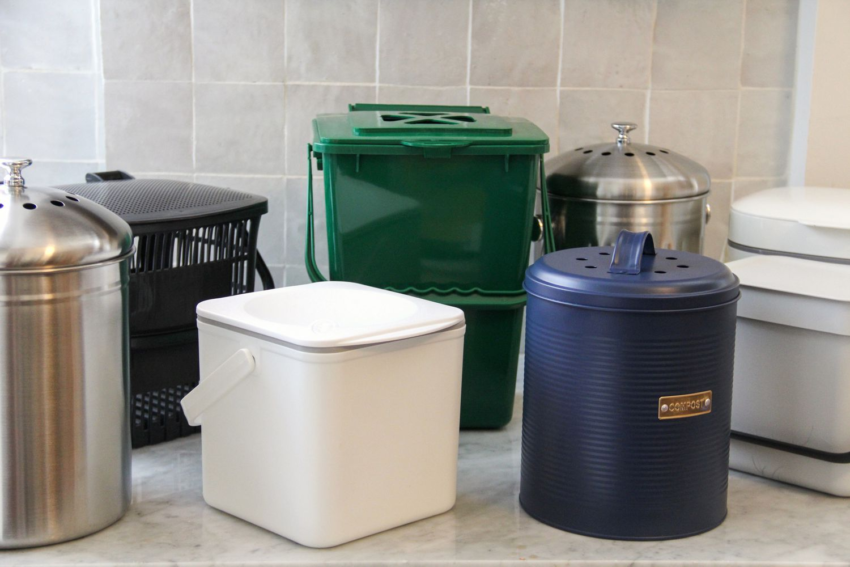
Common examples include reusable grocery bags kept in the car, refillable water bottles, composting kitchen scraps where municipal systems exist, and choosing products with minimal packaging.
These changes rarely require new routines—just small adjustments to existing ones.

Eco-Friendly Purchasing Decisions
Sustainability in American homes increasingly shows up at the point of purchase. Rather than buying “green” products exclusively, many households prioritize durability and long-term value.
This often looks like:
- Choosing energy-efficient appliances
- Repairing items instead of replacing them
- Buying fewer, higher-quality goods
- Supporting brands with transparent sourcing
This shift reflects a broader movement away from disposable consumer culture rather than a strict environmental ideology.
Water Conservation in Daily Routines
Water efficiency is another area where eco-friendly living blends seamlessly into American homes, especially in regions affected by drought.
Examples include low-flow fixtures, fixing leaks promptly, running dishwashers only when full, and choosing drought-tolerant landscaping. According to the Environmental Protection Agency, the average household can save up to 10% on water bills through efficiency improvements.
Eco-Friendly Home Maintenance and Materials
Sustainable living also appears in maintenance choices—often during renovations or repairs.
Homeowners increasingly opt for:
- Low-VOC paints
- Energy-efficient windows
- Recycled or reclaimed materials
- Durable flooring over disposable finishes
These decisions tend to be motivated by health, longevity, and resale value as much as environmental concern.
Transportation Habits Tied to Home Life
While transportation extends beyond the home, many eco-friendly lifestyle choices are rooted in household planning. Families may consolidate errands, carpool for school activities, or transition to hybrid or electric vehicles as budgets allow.
Remote work has also reduced commuting emissions for millions of Americans, quietly reshaping sustainability at the household level.
The Financial Reality of Sustainable Living
One of the most persistent myths is that eco-friendly living is expensive. While some upgrades require upfront investment, many sustainable habits lower long-term costs.
Examples include:
- Reduced energy bills
- Fewer replacement purchases
- Lower water usage
- Decreased food waste
Over time, these savings often offset initial expenses, making sustainability financially practical for middle-income households.
Teaching Sustainability Within the Household
In many American homes, eco-friendly living becomes part of family culture. Children learn recycling rules, energy awareness, and mindful consumption through daily participation rather than formal instruction.
This generational exposure helps normalize sustainability as a standard way of living rather than a special effort.

Common Questions Americans Ask About Eco-Friendly Living
Is an eco-friendly lifestyle realistic for renters?
Yes. Renters can focus on energy-efficient lighting, waste reduction, and mindful consumption without making structural changes.
Does sustainable living require buying expensive products?
No. Many eco-friendly habits involve using less, repairing more, and buying intentionally—not spending more.
How much difference can one household really make?
Households collectively account for a significant share of energy and resource use. Small changes scaled across millions of homes matter.
Are eco-friendly products always better?
Not always. Durability, sourcing transparency, and actual usage often matter more than labels.
Is composting necessary to live sustainably?
No. While helpful, reducing food waste and buying responsibly can have similar impact.
How do I start if I feel overwhelmed?
Begin with one area—energy, food, or waste—and expand gradually.
Does sustainable living require lifestyle sacrifices?
Most people find it improves organization, efficiency, and long-term comfort rather than reducing quality of life.
Can eco-friendly habits increase home value?
Energy-efficient upgrades and durable materials often appeal to modern buyers.
Is sustainability only about the environment?
No. It also affects health, finances, and long-term household resilience.
How Sustainable Living Quietly Redefines the American Home
Eco-friendly living in American households is evolving without dramatic announcements or rigid rules. It’s visible in smarter thermostats, planned meals, repaired appliances, and thoughtful purchases. Sustainability, at its core, is becoming less about activism and more about practicality—woven naturally into how people live every day.
A Clear Snapshot of Everyday Eco-Friendly Living
- Focuses on efficiency, not perfection
- Saves money over time
- Fits into existing routines
- Improves long-term comfort
- Reflects thoughtful consumption