

Summary
American lifestyle values are shifting away from material accumulation toward cultural meaning, shared experiences, and personal identity. This article explores why culture now matters more than possessions, how this change shows up in daily life, and what it means for work, travel, community, and well-being—grounded in data, real-world examples, and practical insight.
The Quiet Shift Happening in American Life
Walk through any major U.S. city, suburb, or small town today, and the change is subtle but unmistakable. Fewer people define success by what they own and more by how they live. Conversations that once centered on purchases now revolve around experiences—food traditions, local art, music scenes, travel with purpose, and community rituals. Lifestyle, for many Americans, is becoming less transactional and more cultural.
This shift didn’t happen overnight. Rising costs of living, digital saturation, environmental awareness, and changing generational priorities have steadily reshaped what people value. According to a 2023 Pew Research Center survey, a growing number of Americans—particularly Millennials and Gen Z—say personal fulfillment and meaningful experiences matter more than financial milestones alone. Ownership hasn’t disappeared, but its symbolic weight has changed.
Cultural meaning now fills the space where material aspiration once dominated.
Why “More Stuff” No Longer Signals a Better Life
For decades, lifestyle marketing equated happiness with accumulation. Bigger homes, newer cars, and upgraded gadgets were shorthand for progress. Today, that equation feels incomplete for many Americans.
One reason is saturation. Most households already have more than enough functional goods. Another is emotional return. Behavioral research consistently shows that experiential spending—on travel, learning, or shared activities—creates longer-lasting satisfaction than material purchases.
There’s also a psychological cost to constant consumption. Decision fatigue, clutter, and debt have made minimalism and intentional living mainstream concepts rather than fringe ideas. But this shift isn’t just about owning less—it’s about valuing differently.
Cultural engagement offers something objects can’t:
- A sense of belonging
- Identity expression
- Shared memory
- Emotional resonance over time
A handmade ceramic bowl from a local artist, a neighborhood food festival, or a family recipe passed down generations carries meaning that no mass-produced item can replicate.
Cultural Meaning as a Modern Lifestyle Currency
Culture has become a form of social and personal capital. Knowing where food comes from, understanding local history, participating in traditions, or supporting community arts now signals awareness, intention, and connection.
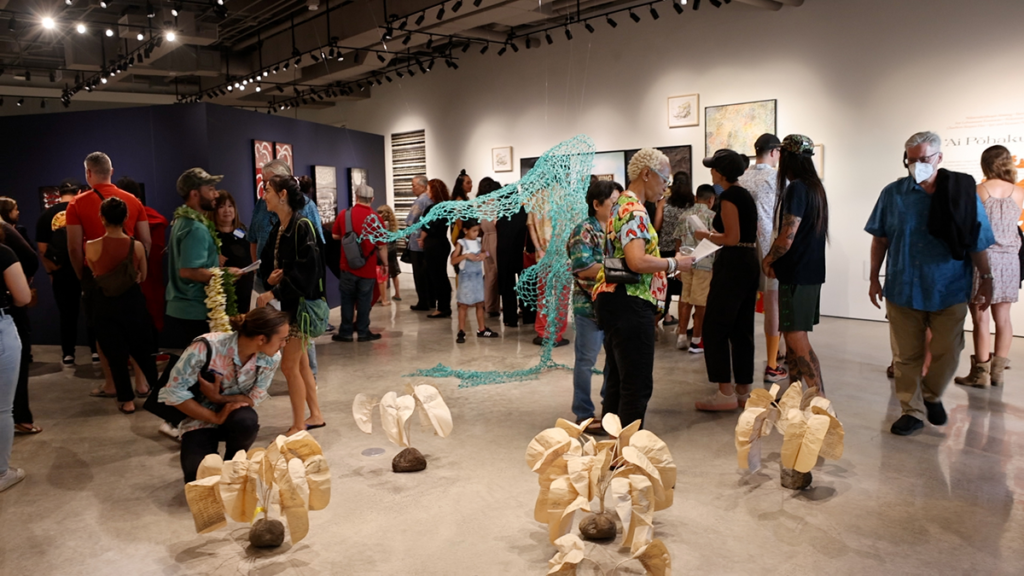
This shows up clearly in how Americans spend their time and money. The U.S. Bureau of Economic Analysis reports that spending on recreation, arts, and cultural activities continues to grow faster than many traditional retail categories. Museums, live performances, cultural festivals, and culinary experiences are no longer “extras”—they are central to how people define quality of life.
Importantly, this shift cuts across income levels. Cultural meaning isn’t limited to expensive travel or elite spaces. It’s found in public libraries hosting local author talks, community gardens, neighborhood music nights, and regional food traditions.
Lifestyle today is increasingly about participation, not possession.
How Cultural Experiences Shape Identity and Belonging
In an era of remote work and digital connection, many Americans feel detached from place. Cultural experiences help anchor identity in tangible ways. Attending local events, supporting regional artists, or learning the history of one’s community creates a sense of rootedness that social media cannot provide.
For immigrants and multicultural families, cultural lifestyle choices also serve as preservation. Food, language, music, and rituals become daily affirmations of heritage rather than occasional celebrations. For others, cultural exploration becomes a way to broaden perspective and empathy.
Research from the National Endowment for the Arts has shown that regular engagement with arts and culture correlates with higher civic participation and social trust. Culture doesn’t just enrich individuals—it strengthens communities.
Everyday Examples of Culture-Driven Living in the U.S.
This shift is visible in ordinary, practical choices Americans make:
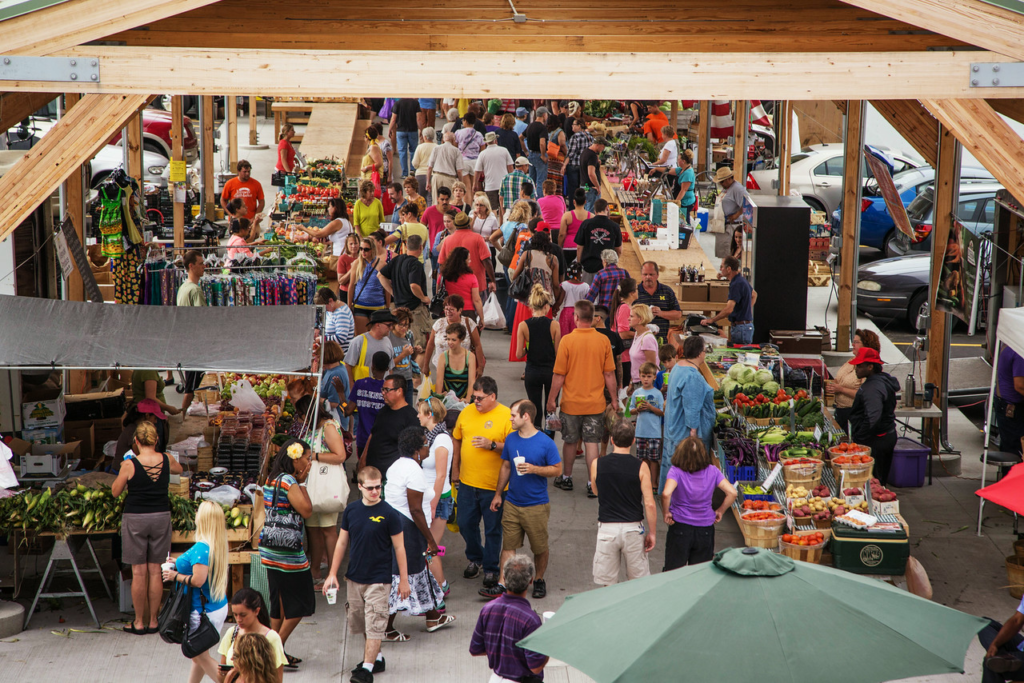
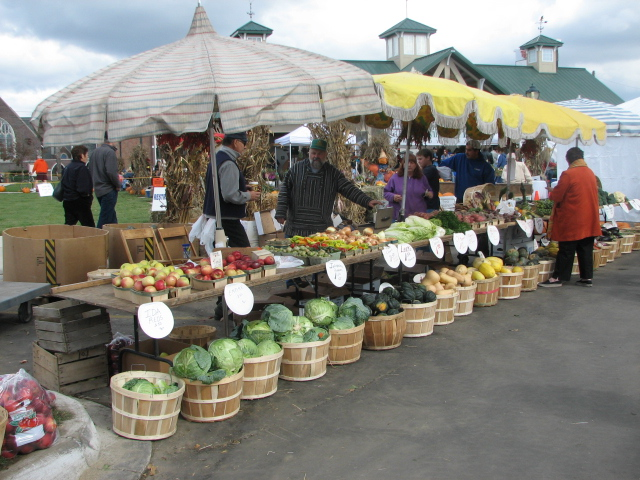
- Choosing farmers’ markets over big-box grocery stores to connect with local producers
- Prioritizing regional travel to understand American history, foodways, and landscapes
- Supporting independent bookstores, theaters, and music venues
- Participating in cultural classes—cooking, dance, language, crafts
- Designing homes around meaningful objects rather than trends
Even dining habits reflect this change. Restaurants emphasizing cultural storytelling—regional cuisines, immigrant narratives, and historical recipes—often outperform generic chains despite higher prices. People are paying for meaning, not just meals.
Cultural Meaning in Work and Career Decisions
Lifestyle isn’t confined to personal time. Cultural values increasingly shape professional choices as well. Many Americans now evaluate jobs not just by salary, but by alignment with values, flexibility, and social impact.
Remote work has accelerated this shift. When location becomes flexible, people seek communities that reflect their lifestyle priorities—walkable cities, vibrant cultural scenes, or strong local identities. The rise of “digital nomads” within the U.S. reflects a desire to live within culture rather than commute past it.
Organizations are responding by emphasizing mission, community engagement, and cultural awareness. Workplaces that ignore these values often struggle with retention, especially among younger employees.
The Role of Media and Technology in Cultural Awareness
Ironically, technology has both diluted and deepened cultural meaning. While constant content can flatten experiences, it also exposes Americans to traditions, histories, and perspectives once inaccessible.
Podcasts exploring regional stories, documentaries about American subcultures, and social platforms amplifying local voices have fueled curiosity-driven lifestyles. The difference lies in how technology is used—not as passive consumption, but as a gateway to participation.
Americans who use digital tools to discover museums, festivals, historical sites, and cultural communities often report higher satisfaction than those using platforms purely for entertainment or comparison.
Is This Shift Permanent—or a Passing Trend?
Cultural meaning is unlikely to replace material needs entirely, but the hierarchy has changed. As economic uncertainty, climate concerns, and social fragmentation continue, meaning-driven lifestyles offer resilience.
History shows that during periods of rapid change, societies turn toward culture for stability and identity. What’s different today is accessibility. Cultural participation is no longer confined to institutions—it’s woven into everyday choices.
This suggests the shift is structural, not temporary.
Common Questions Americans Ask About Culture-Driven Lifestyles
Why do experiences feel more valuable than things?
Experiences create memories, relationships, and personal growth that endure longer than the novelty of possessions.
Is this shift generational?
Younger generations lead it, but older Americans increasingly adopt meaning-driven lifestyle choices as well.
Does cultural living require more money?
Not necessarily. Many cultural experiences—community events, local history, shared traditions—are low-cost or free.
How does culture affect mental well-being?
Studies link cultural participation to reduced stress, stronger social bonds, and improved emotional health.
Is minimalism part of this movement?
Minimalism often complements it, but the core shift is about intentional value, not deprivation.
How can families adopt a more cultural lifestyle?
Shared rituals, storytelling, cooking traditions, and local exploration are effective starting points.
Does this reduce consumerism?
It often redirects spending rather than eliminating it, favoring local and experience-based choices.
How does travel fit into this shift?
Travel focused on learning and cultural exchange aligns strongly with meaning-driven lifestyles.
Can culture influence career satisfaction?
Yes. Alignment with values and community connection increasingly shapes job fulfillment.
Where Lifestyle Is Headed Next
The future of lifestyle in America will likely be quieter, more intentional, and more locally grounded. Cultural meaning doesn’t demand perfection or constant novelty—it asks for presence, curiosity, and respect for context.
As Americans continue redefining success, culture offers something enduring: a way to live that feels connected rather than accumulated.
What This Shift Means in Everyday Terms
- Lifestyle choices increasingly signal values, not status
- Cultural participation strengthens personal identity and community ties
- Experiences deliver longer-lasting satisfaction than possessions
- Meaning-driven living is accessible at many income levels
- Culture is becoming a practical foundation of modern American life