

Summary
Cultural engagement is reshaping American lifestyles by influencing daily habits, workplace values, and travel choices. From community-centered living to purpose-driven careers and immersive travel, Americans increasingly seek meaningful cultural connections. This shift reflects changing priorities around identity, belonging, and experience—transforming how people define success, fulfillment, and connection at home and abroad.
Introduction: A Subtle but Lasting Shift in American Life
Over the past decade, cultural engagement has moved from the margins of American life to the center of how people make decisions. What once seemed like enrichment—attending local festivals, learning a new cuisine, traveling for heritage or art—has become a defining influence on lifestyle, work expectations, and travel behavior.
This shift is not driven by novelty or trend-chasing. It reflects deeper changes in how Americans understand fulfillment, community, and identity. As digital life accelerates and traditional structures evolve, cultural participation offers grounding, perspective, and connection. Whether through local communities or global experiences, culture is now a practical force shaping how Americans live, work, and explore the world.
Cultural Engagement and the Modern American Lifestyle
Cultural engagement today often begins close to home. Americans are increasingly participating in neighborhood events, supporting local artists, exploring regional food traditions, and engaging with history and storytelling that reflect diverse backgrounds.
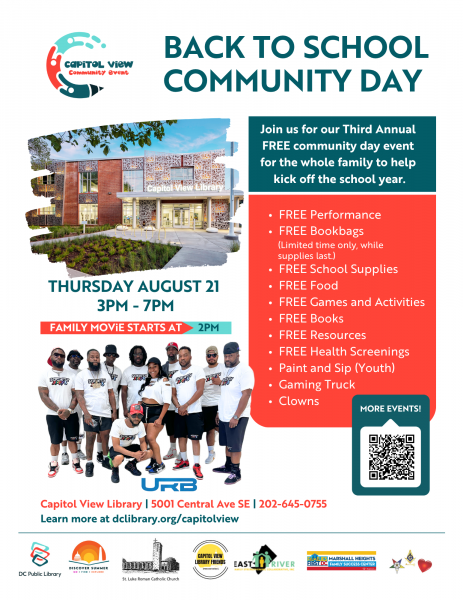
This movement is visible in everyday choices. Farmers markets now double as cultural gathering spaces. Public libraries host language exchanges and oral history projects. Cities invest in cultural districts not just for tourism, but for community cohesion and quality of life.
According to the National Endowment for the Arts, adults who regularly engage in arts and cultural activities report higher levels of civic participation and social connection. These findings help explain why cultural involvement is no longer viewed as optional entertainment but as part of a balanced, intentional lifestyle.
Cultural engagement also shapes how Americans define wellness. Beyond physical health, well-being increasingly includes emotional and social fulfillment—often fostered through shared traditions, creative expression, and community participation. This perspective aligns with a broader understanding of lifestyle that values meaning alongside convenience.
How Culture Is Reshaping the Way Americans Work
The influence of cultural engagement is especially evident in the workplace. As Americans reassess career priorities, many are seeking roles that align with their values, identity, and sense of purpose.
Cultural awareness now plays a direct role in how organizations operate. Companies invest in inclusive practices, cross-cultural communication, and community partnerships not only for ethical reasons but because employees expect it. A 2023 Pew Research Center survey found that a majority of U.S. workers value workplaces that respect diverse backgrounds and encourage open cultural dialogue.
This shift has practical implications:
- Employees increasingly favor flexible schedules that allow participation in cultural or community activities
- Employers use cultural literacy as a leadership skill, particularly in global or remote teams
- Creative and cultural industries are seen as viable, respected career paths rather than niche pursuits
Remote work has accelerated this trend. As physical offices become less central, workers often root themselves more deeply in local communities. Cultural engagement fills the social gap left by traditional workplaces, offering connection, identity, and structure outside professional roles.
Cultural Learning as a Career Asset
Cultural engagement is no longer limited to personal enrichment; it is increasingly viewed as professional development. Language learning, international collaboration, and cultural fluency are practical skills in an interconnected economy.
Industries such as technology, healthcare, education, and design actively seek professionals who can navigate cultural differences with sensitivity and competence. For many Americans, cultural exposure—whether through travel, volunteering, or local community involvement—builds adaptability and communication skills that translate directly into career resilience.
This reframing of culture as an asset helps explain why Americans invest time and resources into experiences that once seemed peripheral to professional success.

Travel Reimagined: From Destinations to Cultural Immersion
Perhaps the most visible impact of cultural engagement is how Americans travel. Traditional tourism focused on landmarks and convenience is giving way to immersive, experience-driven travel.
Instead of asking, “Where should I go?” many travelers now ask, “What can I learn?” Cultural engagement shapes travel decisions through:
- Interest in local traditions, foodways, and history
- Preference for slower travel that allows deeper connection
- Desire to support local economies rather than global chains
Data from the U.S. Travel Association indicates that experiential travel—such as heritage tourism, culinary travel, and arts-focused trips—has grown steadily, particularly among millennials and Gen X travelers. These travelers prioritize authenticity and connection over volume and speed.
Cultural travel also influences domestic tourism. Americans increasingly explore regional cultures within the United States, from Indigenous heritage sites to immigrant neighborhoods in major cities. This trend reinforces cultural awareness at home while supporting preservation and education.
The Role of Technology in Cultural Connection
Technology plays a paradoxical role in cultural engagement. While digital life can fragment attention, it also expands access to cultural experiences. Virtual museum tours, online language exchanges, and global creative communities allow Americans to engage with culture beyond geographic limits.
Social platforms help surface local events, grassroots movements, and underrepresented voices. At the same time, technology enables hybrid experiences—combining physical participation with digital storytelling—that broaden cultural reach without replacing in-person engagement.
The most meaningful cultural engagement tends to use technology as a bridge rather than a substitute. Americans who balance digital tools with real-world participation report stronger connections and more sustained interest.
Cultural Engagement and Identity Formation
Cultural participation also influences how Americans understand themselves. In a diverse and evolving society, many people explore culture as a way to connect with heritage, values, and community.
This exploration is not limited to ancestry. It includes learning from other traditions, engaging in cross-cultural dialogue, and participating respectfully in shared experiences. For younger generations especially, identity is shaped through lived experience rather than static labels.
Cultural engagement supports this process by offering context and perspective. It encourages empathy, reduces social isolation, and helps individuals situate themselves within a broader human story.
Practical Ways Americans Are Integrating Culture into Daily Life
Cultural engagement does not require international travel or specialized knowledge. Many Americans integrate culture into daily routines through accessible, intentional choices:
- Attending local performances, lectures, or cultural festivals
- Supporting independent bookstores, galleries, and cultural nonprofits
- Learning basic language skills tied to community or travel interests
- Cooking traditional recipes and learning their historical context
These practices strengthen local ecosystems while enriching personal experience. Over time, they shape habits, values, and priorities in ways that extend beyond leisure.

Frequently Asked Questions
How does cultural engagement improve quality of life?
It fosters social connection, purpose, and mental well-being by encouraging participation beyond routine responsibilities.
Is cultural engagement mainly a travel trend?
No. While travel plays a role, cultural engagement increasingly occurs locally through community involvement and creative participation.
How does cultural awareness affect workplace success?
It improves communication, collaboration, and adaptability—skills essential in diverse and globalized work environments.
Are younger Americans more culturally engaged than older generations?
Younger generations often engage differently, using technology and hybrid experiences, but interest spans all age groups.
Does cultural engagement require significant financial investment?
Many meaningful experiences are low-cost or free, such as public events, museums, and community programs.
How does cultural travel differ from traditional tourism?
Cultural travel emphasizes learning, interaction, and respect rather than sightseeing alone.
Can cultural engagement reduce social polarization?
Research suggests shared cultural experiences can increase empathy and understanding across differences.
How can employers support cultural engagement?
By promoting inclusive practices, flexible schedules, and community partnerships.
Is cultural engagement linked to mental health?
Yes. Studies associate participation in arts and culture with reduced stress and improved emotional well-being.
Where This Cultural Shift Is Leading
Cultural engagement is not a passing preference; it reflects a broader redefinition of what Americans value. As lifestyles become more intentional, work more values-driven, and travel more experiential, culture provides a framework for connection and meaning.
This evolution suggests a future where success is measured not only by productivity or accumulation, but by understanding, participation, and shared experience. For individuals, communities, and institutions alike, cultural engagement is shaping a more connected and conscious way of living.
What This Means for Everyday American Life
- Cultural participation increasingly defines lifestyle choices
- Workplaces value cultural awareness as a professional skill
- Travel focuses on learning and connection, not just destinations
- Local communities play a central role in cultural experience
- Meaning and identity drive decisions alongside convenience