
Summary
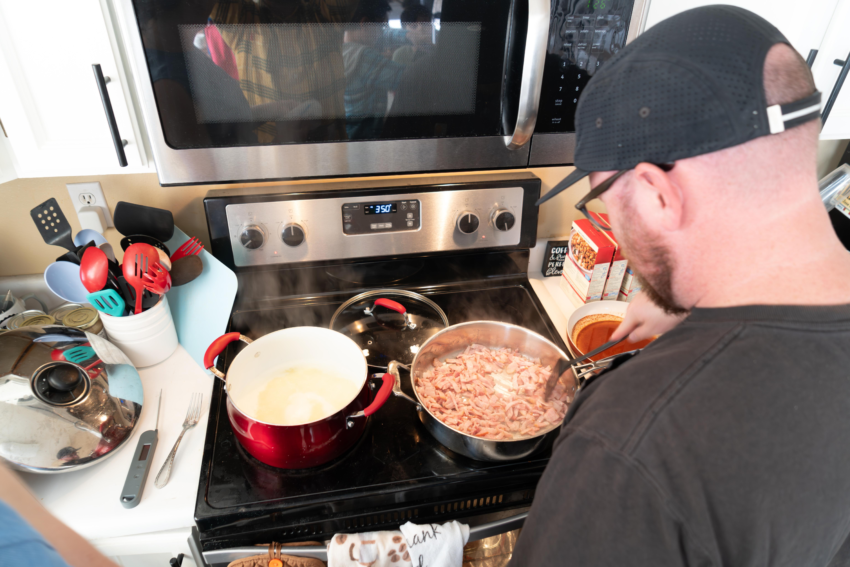
Small, intentional changes in the kitchen—how ingredients are chosen, tools are used, and routines are structured—can significantly improve the quality of everyday meals. This guide explains how practical adjustments, from better prep habits to smarter heat control, help home cooks create meals that are more flavorful, consistent, and satisfying without adding complexity or cost.
Cooking better meals rarely requires dramatic upgrades or complicated techniques. For most American households, meaningful improvement comes from a series of small, practical changes—choices that quietly influence flavor, efficiency, and consistency over time. These shifts don’t demand professional training or gourmet ingredients. They rely on awareness, repetition, and a clearer understanding of how kitchens actually function in daily life.
Across the U.S., more people are cooking at home, driven by cost concerns, health awareness, and the desire for reliable, comforting meals. According to data from the U.S. Department of Agriculture, Americans now spend more than half of their food budget on food prepared at home. That makes everyday cooking decisions more consequential than ever.
This article explores how subtle adjustments—many overlooked—can lead to better meals without adding stress, expense, or unrealistic expectations.
Rethinking Ingredients Without Overhauling Your Diet
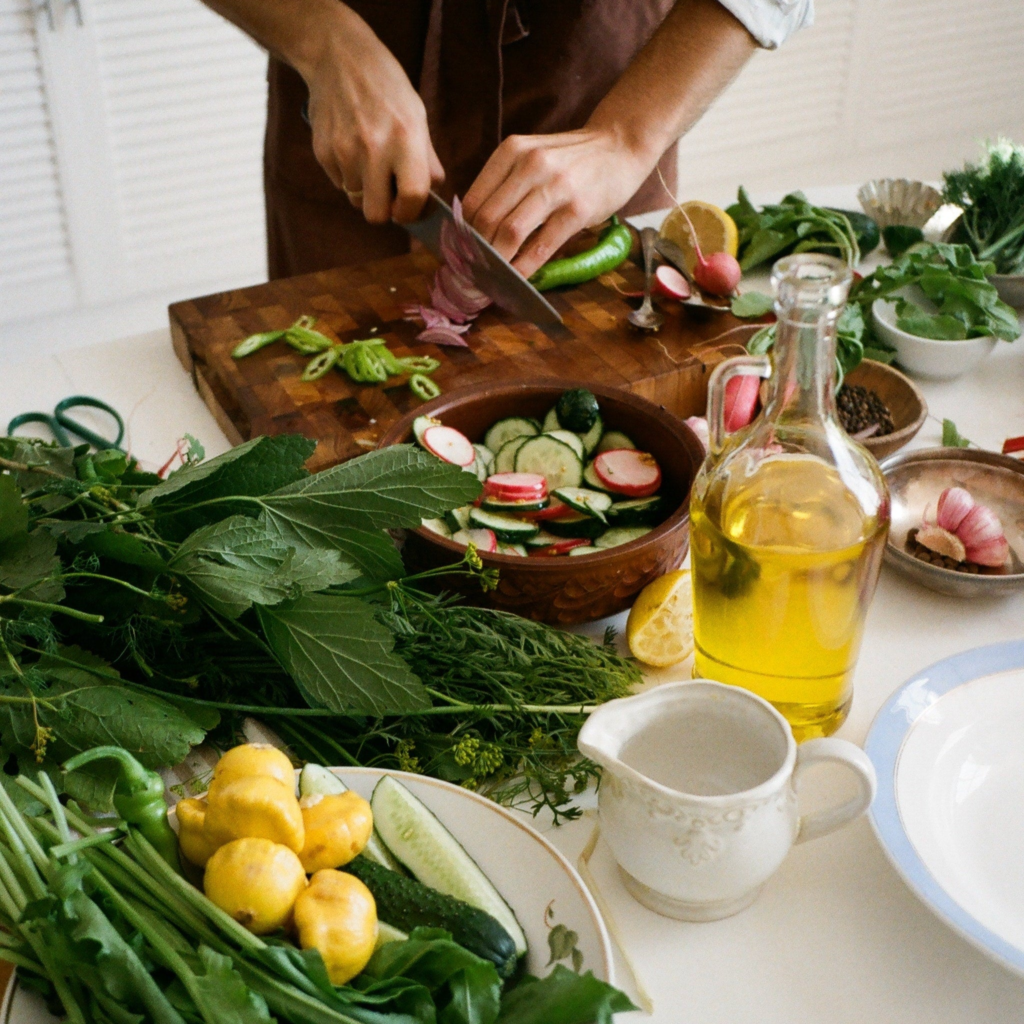
One of the most effective changes starts before cooking even begins. Ingredient quality matters, but not in the luxury sense many people assume. The difference between good and better meals often comes down to freshness, timing, and storage rather than price.
Using fewer ingredients—chosen with intention—usually produces more reliable results than crowding recipes with substitutes and extras. Fresh onions that haven’t softened in the pantry, spices replaced annually instead of sitting forgotten for years, and oils stored away from heat all contribute to cleaner, more predictable flavors.
Small adjustments that make a measurable difference include:
- Replacing ground spices once a year instead of “using them up”
- Choosing seasonal produce when possible, even at standard grocery stores
- Buying smaller quantities of perishables more frequently
Many home cooks notice that when ingredients taste better on their own, recipes become easier to execute. Meals need less correction, fewer sauces, and less salt to feel complete.
The Impact of Prep Habits on Meal Quality
Preparation is where most meals succeed or fall short. Rushing through chopping, skipping drying steps, or starting without a plan can undermine even reliable recipes.
Professional kitchens emphasize mise en place—not as a formal ritual, but as a way to maintain control. At home, this can be simplified into a few realistic habits: reading the recipe once before starting, prepping vegetables before heating pans, and measuring key ingredients in advance.
These habits reduce cognitive load during cooking. When attention isn’t split between tasks, cooks respond better to sensory cues—aroma, color, texture—that indicate when food is ready.
Practical prep changes include:
- Cutting vegetables into consistent sizes for even cooking
- Patting proteins dry before seasoning
- Grouping ingredients by cooking stage rather than recipe order
These steps don’t add time overall; they prevent errors that cause delays, uneven cooking, or rushed fixes.
Heat Control: The Quiet Skill That Improves Everything
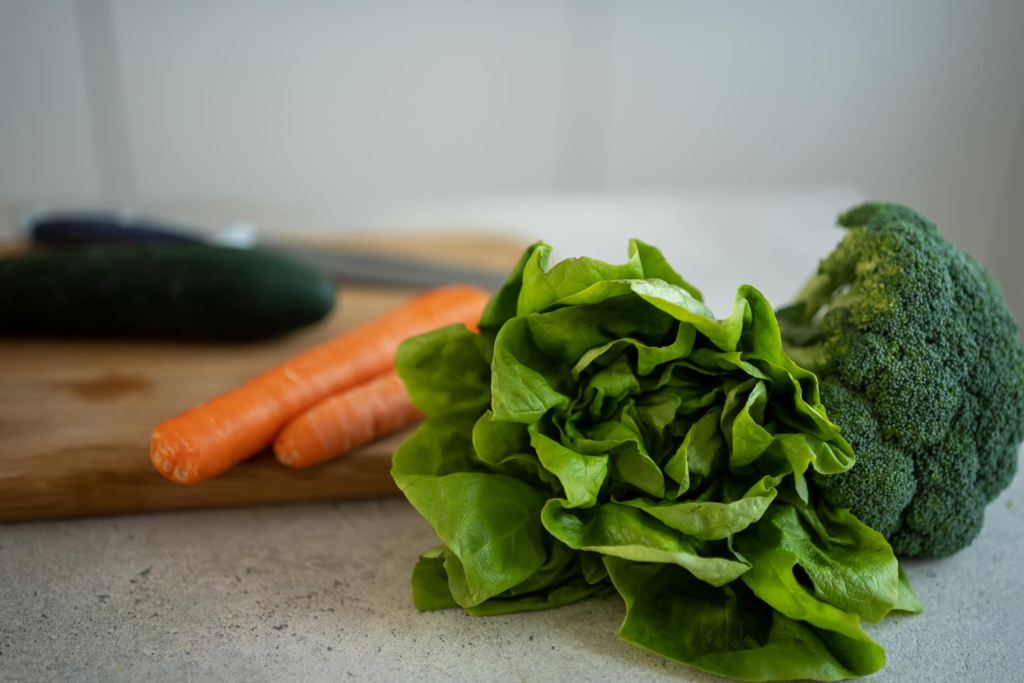
Many home cooks underestimate how much heat management affects results. Cooking temperatures that are too high or too low are among the most common causes of bland, dry, or uneven meals.
Understanding heat isn’t about memorizing numbers—it’s about recognizing how food behaves in the pan. Preheating cookware properly, allowing space between ingredients, and adjusting heat gradually all lead to more controlled outcomes.
Small heat-related improvements include:
- Letting pans preheat fully before adding oil
- Reducing heat slightly once food is added
- Allowing proteins to cook undisturbed before flipping
These changes improve browning, texture, and moisture retention. Over time, cooks develop an intuitive sense of how their own stovetops behave—an advantage recipes can’t fully account for.
Why Better Tools Don’t Mean More Tools
A common misconception is that better cooking requires more equipment. In practice, many experienced home cooks rely on fewer, well-chosen tools.
A sharp chef’s knife, a heavy-bottomed skillet, and a reliable cutting board often matter more than specialized gadgets. When tools work well, cooks move more confidently and make fewer compromises.
Instead of expanding collections, many kitchens benefit from replacing underperforming basics:
- Dull knives that slow prep and increase risk
- Thin pans that heat unevenly
- Warped baking sheets that cause inconsistent browning
These upgrades don’t need to be expensive. Mid-range tools used consistently outperform premium items left unused.
Small Flavor Adjustments With Outsized Results
Flavor development isn’t about complexity. It’s about timing, balance, and restraint.
Salting earlier in the cooking process, tasting at multiple stages, and finishing dishes with acid or fresh herbs often transform familiar meals. These techniques don’t change recipes—they improve how ingredients interact.
Common adjustments that improve flavor:
- Salting vegetables before cooking rather than after
- Adding lemon juice or vinegar at the end, not during
- Using fresh herbs as garnishes instead of cooking them fully
Many American home cooks discover that when seasoning improves, portion sizes naturally stabilize. Meals feel more satisfying without needing extra richness or volume.
Organization as a Cooking Skill
Kitchen organization affects how often people cook and how enjoyable it feels. When essential items are hard to find or workspaces are cluttered, cooking becomes a chore rather than a routine.
Small organizational changes often lead to more frequent home cooking:
- Storing everyday tools within arm’s reach
- Grouping pantry items by use rather than category
- Clearing one dedicated prep space
These adjustments reduce friction. When starting a meal feels easier, consistency follows—and consistency is where skill develops.
Building Better Cooking Routines Over Time
Improvement rarely comes from single meals. It comes from patterns repeated week after week.
Many households benefit from narrowing focus: rotating a small set of reliable dinners, improving them gradually, and introducing new dishes occasionally rather than constantly chasing novelty.
Effective routines include:
- Cooking similar meals on the same nights each week
- Reusing techniques across different cuisines
- Reflecting briefly on what worked after meals
These habits create feedback loops that help cooks adjust naturally without formal tracking or pressure.

Frequently Asked Questions
Do small kitchen changes really make a noticeable difference?
Yes. Incremental improvements compound over time, leading to better consistency, flavor, and confidence.
What is the single most impactful change for beginners?
Improving prep habits—especially reading recipes fully and organizing ingredients—has immediate benefits.
Do I need expensive cookware to cook better meals?
No. Reliable, well-maintained basics matter more than premium brands.
How does seasoning earlier improve flavor?
It allows salt to penetrate ingredients, enhancing natural taste rather than sitting on the surface.
Is cooking at home actually healthier?
Studies from institutions like Harvard show home-cooked meals are typically lower in sodium and added sugars.
How can busy households apply these changes?
Focus on one adjustment at a time, such as better prep or simplified weekly routines.
Does organization really affect food quality?
Indirectly, yes. Reduced stress and smoother workflows lead to better attention while cooking.
How long does it take to notice improvement?
Many people notice changes within a few weeks of consistent application.
Are these changes suitable for all skill levels?
Yes. They scale naturally from beginner to experienced home cook.
The Cumulative Power of Everyday Cooking Choices
Better meals don’t emerge from dramatic transformations. They develop through repeated, thoughtful decisions made in ordinary kitchens. When small changes become habits, cooking shifts from a task to a skill—one shaped by experience rather than perfection. Over time, these adjustments create meals that feel more intentional, more reliable, and more rewarding.
What Makes These Changes Stick
- They fit into existing routines
- They reduce effort rather than add complexity
- They improve consistency, not just individual meals
- They build confidence through repetition