
Summary
Home cooking in the U.S. is shifting away from complicated techniques toward simpler, more reliable methods. This change reflects how Americans cook today—balancing time, cost, confidence, and nutrition. Fewer steps don’t mean lower quality; they signal smarter recipe design that respects real kitchens, real schedules, and how people actually learn to cook.
For much of the late 20th and early 2000s, complicated recipes carried cultural prestige. Multiple pans, long ingredient lists, and specialized techniques were seen as signs of seriousness and skill. Today, that assumption is quietly fading. Across cookbooks, food websites, and test kitchens, recipes are becoming more streamlined—and intentionally so.
This isn’t about lowering standards. It’s about meeting cooks where they are. American home cooking has changed dramatically over the past decade, shaped by work patterns, family dynamics, kitchen access, and information overload. Recipe design has evolved in response, and the results are reshaping how people cook, learn, and stick with home-prepared meals.
Understanding why fewer recipes rely on complex techniques helps explain a broader shift in modern food culture—and why that shift matters for health, confidence, and sustainability.
How American Home Cooking Has Changed
American kitchens look different than they did even ten years ago. Fewer households cook daily from scratch, yet more people want to cook successfully when they do. According to data from the USDA, Americans still spend more than half of their food budget on meals prepared outside the home, but interest in home cooking rises during periods of economic pressure, health awareness, or lifestyle disruption.
At the same time, time constraints are real. The Bureau of Labor Statistics reports that working adults spend an average of about 37 minutes per day on food preparation and cleanup. That reality directly shapes what kinds of recipes are practical.
Complicated techniques—long reductions, multi-stage sauces, precision knife work—don’t fit neatly into that window. Recipe creators have responded not by abandoning quality, but by focusing on efficiency and repeatability.
What “Complicated Techniques” Actually Mean
When readers say a recipe is complicated, they rarely mean it’s intellectually difficult. More often, complexity shows up as friction:
- Multiple cooking methods in a single dish
- Long inactive wait times with narrow margins for error
- Specialized equipment most home cooks don’t own
- Techniques that require constant monitoring
- Instructions that assume prior professional training
These elements aren’t inherently bad. They’re essential in restaurant kitchens and advanced culinary training. But in a home setting, they often reduce the likelihood that a recipe will be finished—or repeated.
Modern recipe developers increasingly evaluate whether a technique truly improves the final dish or simply adds tradition-driven steps that most cooks don’t need.
The Rise of Reliability Over Performance
One of the most important shifts in recipe development is the emphasis on reliability. A reliable recipe works in average kitchens, with average tools, under imperfect conditions.
Editorial teams at major food publications now test recipes across multiple environments. Many simplify steps not to make cooking easier in theory, but to make success more likely in practice.
This approach reflects a deeper understanding of reader trust. When a recipe works the first time, cooks are more likely to return to the source. When it fails due to unclear or overly technical steps, confidence erodes quickly.
This is especially relevant for newer cooks, who may not yet know how to recover from mistakes like broken emulsions or over-reduced sauces.
Why Simpler Recipes Often Teach Better Cooking
There’s a misconception that simplified recipes prevent skill-building. In reality, the opposite is often true.
When recipes remove unnecessary complexity, cooks can focus on fundamentals: seasoning, heat control, timing, and texture. These transferable skills matter more than mastering one-off techniques.
For example, a streamlined pan sauce that skips deglazing wine but teaches how fat, acid, and heat interact may be more educational than a classic reduction-heavy version that requires perfect execution.
Clear, focused recipes create space for learning without overwhelming the reader.
The Influence of Digital Cooking Culture
The internet has transformed how Americans discover and use recipes. Search-driven cooking favors clarity, scannability, and predictable outcomes.
Recipe developers now design instructions knowing readers may:
- Jump directly to the recipe card
- Cook while referencing a phone
- Skim rather than read deeply
- Substitute ingredients based on availability
Complicated techniques don’t translate well to this environment. Shorter, modular steps do.
Platforms like YouTube and social media have also shifted expectations. Visual learning rewards straightforward methods that can be demonstrated clearly. If a step can’t be explained or shown easily, it often doesn’t survive modern editorial review.
Economic and Accessibility Considerations
Simpler recipes are also more inclusive. Complicated techniques often require:
- Expensive ingredients
- Specialty cookware
- Larger kitchen spaces
- Flexible schedules
As food prices fluctuate, recipe creators increasingly consider cost-per-serving and ingredient overlap. According to consumer data cited by the Pew Research Center, affordability remains a top concern for American households.
Recipes that reuse pantry staples, limit equipment, and avoid waste align better with how most people shop and cook.
Health, Consistency, and Long-Term Habits
From a public health perspective, consistency matters more than culinary perfection. Recipes that people actually cook—and cook again—have greater impact than aspirational dishes saved but never made.
Nutrition researchers emphasize that regular home cooking is associated with better dietary patterns, including higher vegetable intake and lower consumption of ultra-processed foods. Complicated recipes can unintentionally become barriers to these benefits.
When cooking feels manageable, it becomes routine rather than occasional. Simplification supports habit formation, which is where long-term health outcomes are shaped.
Professional Kitchens vs. Home Kitchens: Different Goals
Restaurant techniques are designed for scalability, precision, and intensity of flavor under controlled conditions. Home cooking prioritizes comfort, flexibility, and enjoyment.
Many modern recipes intentionally adapt professional ideas rather than replicate them. For example:
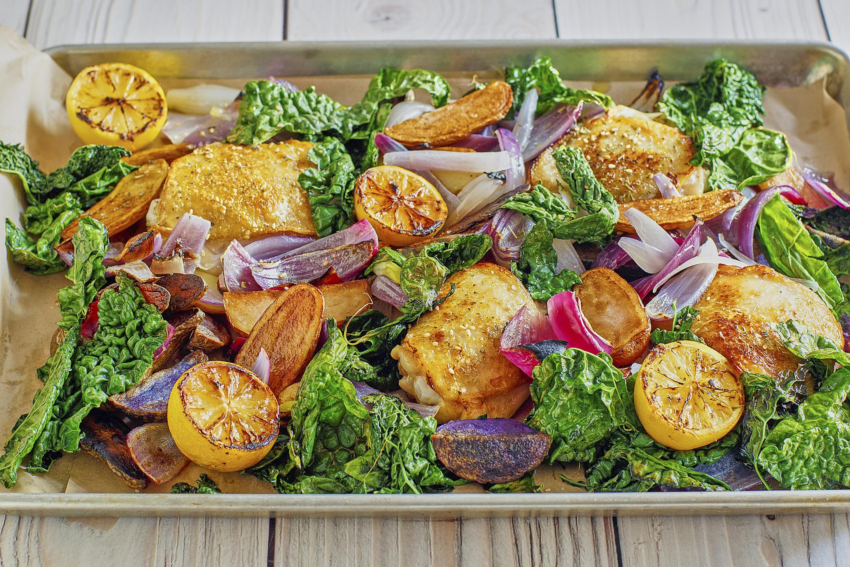
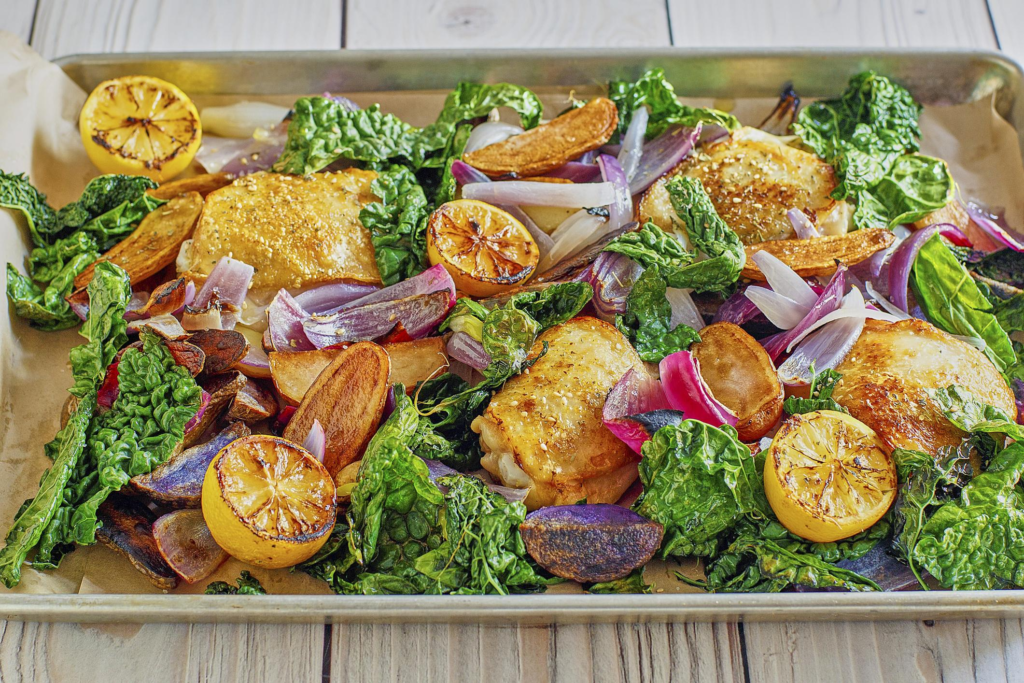
- Roasting instead of braising to reduce time
- One-pan methods instead of staged cooking
- Simplified marinades that work in shorter windows
This doesn’t dilute culinary tradition—it translates it responsibly.
What This Shift Means for the Future of Recipes
The move away from complicated techniques signals a maturation of food media. Success is no longer defined by how impressive a recipe looks on paper, but by how well it serves the reader.
As artificial intelligence, smart appliances, and personalized nutrition tools expand, recipes will likely become even more adaptive. But the core principle will remain: clarity over complexity.
The best recipes of the future won’t ask, “Can this be done?” They’ll ask, “Will someone actually want to do this again?”

Frequently Asked Questions
Why are modern recipes shorter than older cookbook recipes?
They’re designed for how people read and cook today, prioritizing clarity and usability over tradition-heavy structure.
Does simplifying a recipe reduce flavor?
Not necessarily. Many simplified recipes rely on better ingredient selection and smarter technique choices.
Are professional techniques unnecessary at home?
Some are essential, but many can be adapted without losing quality in a home setting.
Why do recipes avoid long prep times now?
Time constraints and lifestyle shifts make long prep impractical for most households.
Do simpler recipes work for beginners and experienced cooks?
Yes. Beginners gain confidence, while experienced cooks benefit from efficiency and adaptability.
Is this trend driven by social media?
Partly. Digital platforms reward clarity, but the shift began with editorial testing and reader feedback.
Are cookbooks still relevant with simpler recipes online?
Yes. Cookbooks increasingly focus on cohesion, trust, and depth rather than complexity.
Will classic techniques disappear?
Unlikely. They remain foundational, but are used more selectively.
How can I tell if a recipe is well-designed?
Look for clear steps, realistic timing, and explanations that support—not overwhelm—the cook.
A New Definition of Culinary Confidence
The decline of complicated techniques doesn’t reflect lower ambition—it reflects respect for the cook. Confidence grows when meals work, not when they impress on paper. As recipes continue to evolve, the most meaningful progress may be this: cooking that fits into life, instead of demanding life revolve around it.
What This Shift Ultimately Signals
- Cooking success is being measured by repeat use, not difficulty
- Recipe trust now outweighs culinary showmanship
- Simpler techniques support healthier, more consistent habits
- Modern cooking values understanding over performance