
Summary
Cooking balanced meals doesn’t require strict rules or complicated planning. This guide explains how to build satisfying, nutritious meals using everyday ingredients, flexible portions, and simple decision-making. With practical examples and evidence-based guidance, it shows how Americans can eat well consistently—without tracking macros, following trends, or spending hours in the kitchen.
Why “Balanced Meals” Feel Harder Than They Are
For many Americans, the idea of cooking balanced meals has become unnecessarily complicated. Between conflicting nutrition advice, social media trends, and busy schedules, home cooking can feel like a performance rather than a practical daily habit.
But balance, in a nutritional sense, is not about perfection. It’s about combining familiar foods in reasonable proportions, eating consistently, and adjusting based on real life. The USDA’s MyPlate framework, which emphasizes fruits, vegetables, grains, protein, and dairy, remains one of the most accessible guides—and it doesn’t require counting or restriction. According to the USDA, nearly 60% of calories consumed by U.S. adults come from ultra-processed foods, largely because they’re perceived as easier than cooking. In reality, simple home meals can be just as convenient once the pressure is removed.
Balanced cooking works best when it fits into how people actually live: limited time, variable budgets, and evolving tastes.
What “Balanced” Really Means in Everyday Cooking
A balanced meal provides sustained energy, essential nutrients, and satisfaction. It does not require that every plate look identical or include every nutrient group in perfect proportion.
At a practical level, most balanced meals include:
- A source of protein for satiety and muscle health
- Carbohydrates for energy, preferably from whole or minimally processed sources
- Fats for flavor and nutrient absorption
- Fiber-rich foods such as vegetables, fruits, or legumes
Balance also happens over time. A lighter lunch can pair with a heartier dinner. A vegetable-heavy day can follow one that leaned more heavily on grains or protein. The goal is consistency, not constant optimization.
The Simplest Way to Build a Balanced Plate
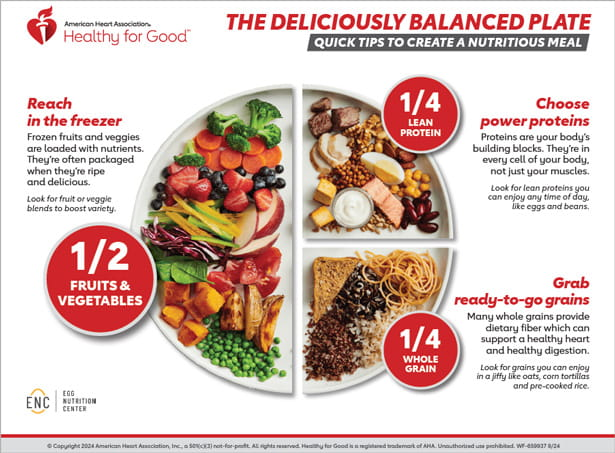
Many dietitians recommend visual frameworks because they reduce decision fatigue. One of the most effective approaches is dividing the plate into approximate sections.
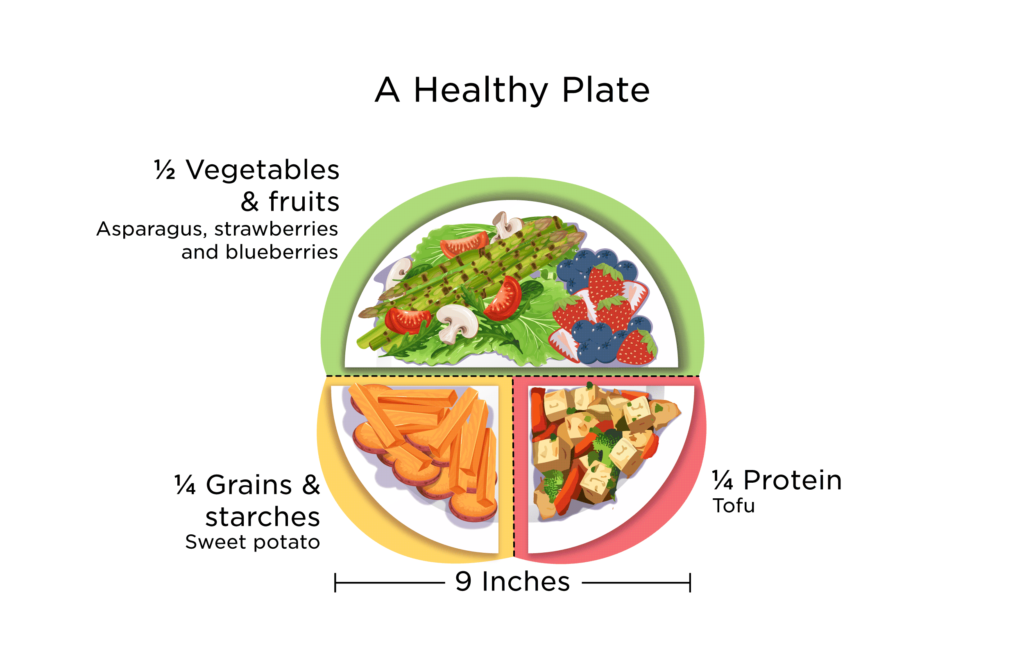
Half the plate is filled with vegetables or fruit, emphasizing variety rather than volume. One quarter is dedicated to protein—chicken, fish, beans, tofu, eggs, or yogurt. The remaining quarter includes carbohydrates such as rice, pasta, potatoes, or whole grains. A modest amount of fat—olive oil, butter, avocado, or nuts—ties everything together.
This structure works across cuisines and meal types. A burrito bowl, a pasta dinner, or a simple breakfast plate can all follow the same principle without feeling repetitive.
Protein Without Obsession
Protein often gets the most attention—and the most misinformation. While adequate protein intake is important, most Americans already consume enough, according to data from the National Health and Nutrition Examination Survey (NHANES).
The more useful question is not “How much protein?” but “Is there a reliable protein source in this meal?”
Practical protein options include:
- Rotisserie chicken used across several meals
- Canned beans or lentils added to soups, salads, or pasta
- Eggs for breakfast, lunch, or dinner
- Greek yogurt as a base for both sweet and savory dishes
Spreading protein intake throughout the day supports energy levels and reduces the urge to snack later, without requiring supplements or specialized foods.
Carbohydrates Are Not the Problem
Carbohydrates are often misunderstood, yet they remain the body’s preferred energy source. The issue is rarely carbohydrates themselves, but the form and context in which they’re eaten.
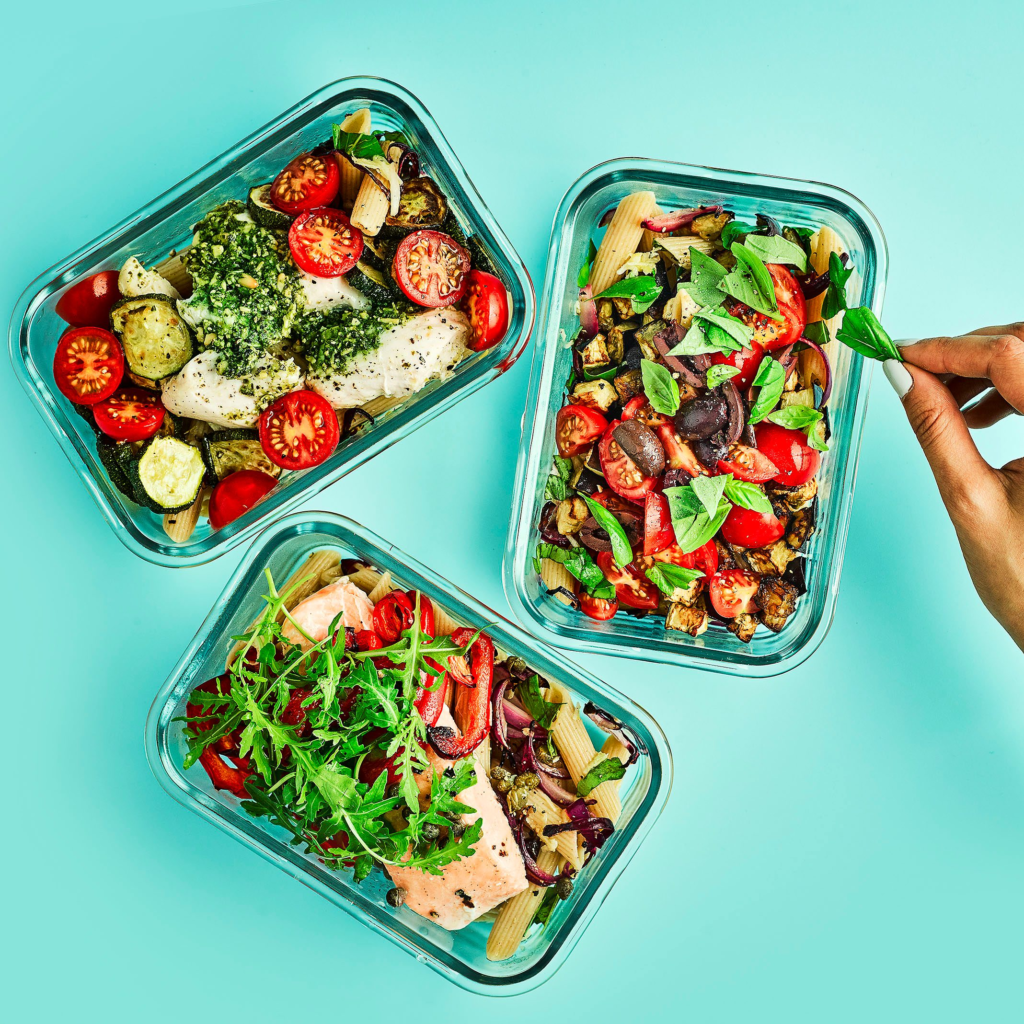
Whole grains, starchy vegetables, and fruit provide fiber, B vitamins, and sustained energy. Even refined grains, when paired with protein and fat, can fit into a balanced meal. A bowl of pasta with vegetables and chicken behaves very differently in the body than pasta eaten alone.
Instead of eliminating carbs, it’s more productive to focus on:
- Portion awareness rather than avoidance
- Pairing carbs with protein and fat
- Choosing fiber-rich options when available
This approach supports blood sugar stability and long-term satisfaction.
Fats: Flavor, Function, and Satisfaction
Fat plays a critical role in cooking and nutrition. It carries flavor, aids absorption of fat-soluble vitamins, and helps meals feel complete.
Healthy fats don’t require specialty products. Olive oil, canola oil, butter, nuts, seeds, and dairy all have a place. What matters most is how fats are used—measured additions rather than hidden excess.
For example, roasting vegetables with a tablespoon of olive oil improves both flavor and nutrient absorption. Adding avocado to a grain bowl increases satiety and reduces the urge for additional snacks later.
Vegetables Without Pressure
Vegetables often become the most stressful part of “eating better,” largely because of unrealistic expectations. Not every meal needs a rainbow of produce.
Frozen vegetables are nutritionally comparable to fresh and often more convenient. Pre-washed greens, bagged slaws, and canned tomatoes all count. Cooking vegetables in ways that actually taste good—roasted, sautéed, or simmered—makes consistency more likely.
Rather than focusing on volume, aim for presence. Including one vegetable at most meals is a strong baseline.
Planning Just Enough—Not Too Much
Meal planning often fails because it’s too rigid. A more effective approach is loose planning built around flexible components.
Many experienced home cooks rely on a short list of reliable building blocks:
- One or two proteins prepared ahead of time
- A cooked grain or starch
- A mix of fresh or frozen vegetables
- A few sauces or condiments for variety
With these elements on hand, meals come together quickly without requiring new decisions every night. This approach also reduces food waste and accommodates schedule changes.
Balanced Meals on a Busy Weeknight
On a typical weeknight, balance comes from simplicity. A realistic dinner might look like store-bought rotisserie chicken, microwave-steamed broccoli, and reheated rice. Another night, it might be eggs scrambled with frozen vegetables and toast.
These meals work because they include key components, not because they’re elaborate. According to the Bureau of Labor Statistics, the average American spends just over 30 minutes per day on food preparation. Balanced cooking has to fit within that reality.
Eating Well Without Cooking Every Meal
Balanced eating does not require cooking from scratch daily. Takeout and convenience foods can fit when chosen thoughtfully.
For example, a deli sandwich becomes more balanced when paired with fruit instead of chips. A frozen entrée improves with the addition of a side salad or extra vegetables. Even fast-casual meals often allow for protein and vegetable-forward choices without customization stress.
The skill is not avoidance, but adjustment.
What Balanced Cooking Looks Like Over a Week
Balance is easier to see across several days rather than one plate. A week that includes home-cooked dinners, leftovers, simple breakfasts, and occasional restaurant meals can still support health.
Instead of asking whether each meal is perfect, a more useful question is: “Does this pattern feel sustainable?” If the answer is yes, it’s likely working.
Common Questions Americans Ask About Balanced Cooking
Is it possible to eat balanced meals on a tight budget?
Yes. Beans, eggs, rice, frozen vegetables, and seasonal produce offer strong nutrition at low cost. Planning around these staples is often more affordable than frequent takeout.
Do balanced meals require cooking everything from scratch?
No. Store-bought components can save time and still contribute to a balanced meal when combined thoughtfully.
How important is variety?
Variety matters over time, not at every meal. Rotating foods weekly provides nutritional diversity without daily complexity.
Can balanced meals support weight management?
Yes, because meals that include protein, fiber, and fat tend to improve satiety and reduce overeating later.
Are snacks part of balanced eating?
They can be. Snacks that include protein or fiber—such as yogurt, fruit with nut butter, or hummus with vegetables—help maintain energy.
What if I don’t like vegetables?
Focus on preparation methods and formats you enjoy, such as soups, sauces, or roasted versions. Preferences often change with exposure.
Is meal prep necessary?
It helps some people but isn’t required. Light prep, like washing produce or cooking one grain, is often enough.
How do I handle inconsistent schedules?
Keep flexible options on hand, such as frozen meals, eggs, or canned soup, to avoid skipping meals or relying solely on snacks.
Are “balanced” meals the same for everyone?
No. Needs vary based on age, activity level, and health conditions, but the general principles remain useful for most adults.
A More Relaxed Way to Think About Food
Balanced cooking works best when it supports daily life rather than competing with it. When meals are built from familiar foods, prepared in manageable ways, and adjusted without guilt, they become easier to repeat. Over time, that consistency matters far more than any single decision at dinner.
What This Approach Makes Easier
- Fewer food decisions during busy weeks
- More confidence in everyday meal choices
- Less reliance on extremes or trends
- A steadier, more realistic relationship with food