
Summary
Great-tasting home meals rarely depend on complex recipes. They’re built on small, repeatable cooking habits—proper seasoning, temperature control, thoughtful prep, and timing. This guide explains how experienced home cooks improve flavor consistently, using practical techniques backed by culinary science, professional insight, and everyday kitchen experience.
Why Small Cooking Habits Matter More Than Recipes
Most Americans cook at home regularly, yet many feel their meals don’t quite match what they get at restaurants. According to data from the U.S. Department of Agriculture, over 80% of meals are now prepared at home, yet confidence in everyday cooking remains uneven. The gap usually isn’t talent or ingredients—it’s habits.
Professional cooks rely less on recipes and more on systems: how they prep, season, heat, and taste. When those habits are adopted at home, meals improve quickly and reliably.
This article focuses on the everyday behaviors that make food taste better—not trendy techniques or expensive tools, but repeatable practices that work across cuisines and skill levels.
Start With Ingredients, But Focus on How You Use Them
Good ingredients help, but how they’re handled matters more. Even modest groceries can deliver strong flavor when treated properly.
Freshness plays a role, but so does timing. Using ingredients close to their peak—especially produce, dairy, and proteins—improves texture and flavor. The USDA reports that Americans discard nearly 30% of food annually, often because ingredients degrade before use. Planning meals around what you already have prevents both waste and flavor loss.
Equally important is preparation. Washing, drying, cutting, and storing ingredients correctly protects their natural taste. For example, excess moisture on vegetables prevents browning, while improperly stored herbs lose aroma quickly.
Helpful habit shifts include:
- Drying proteins and vegetables before cooking
- Cutting produce just before use, not hours ahead
- Storing herbs loosely wrapped, not sealed airtight
These details don’t slow you down—they reduce mistakes later.
Salt Early, Taste Often, Adjust Gradually
Seasoning is one of the most misunderstood aspects of home cooking. Many cooks rely on a final sprinkle of salt, but professionals season in layers.
Salt doesn’t just make food salty; it enhances aroma, balances bitterness, and brings out natural sweetness. Studies published in food science journals consistently show that early seasoning improves flavor integration.
Seasoning early gives salt time to dissolve and distribute. Tasting throughout cooking helps avoid both under- and over-seasoning.
A reliable approach:
- Lightly salt proteins before cooking
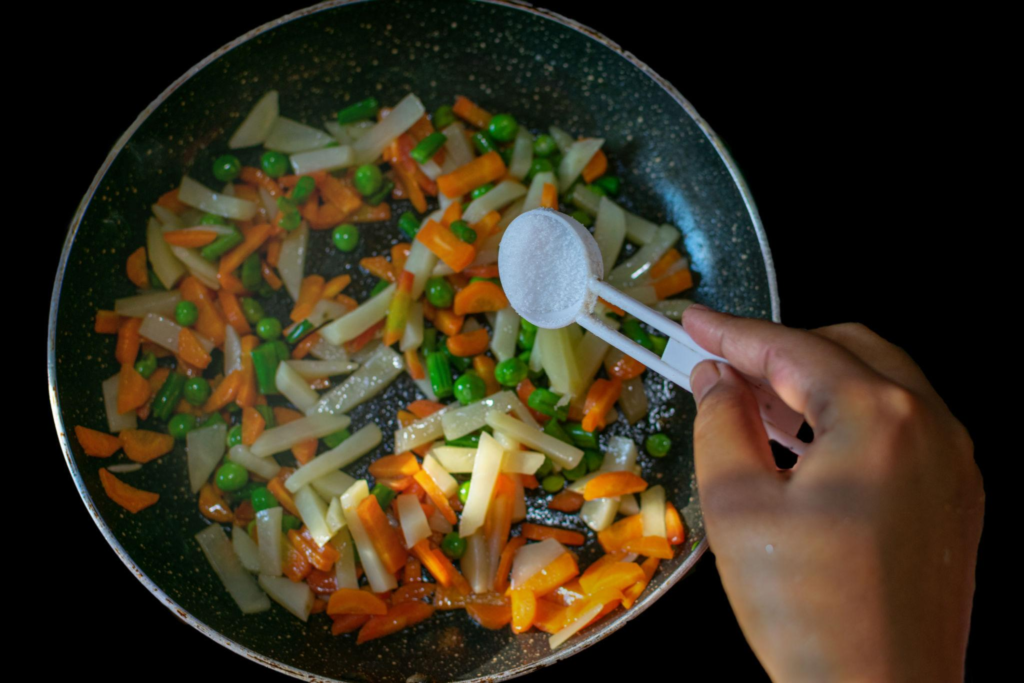
- Season vegetables as they begin to soften
- Taste before adding acid or fat
- Make final adjustments at the end
This method creates depth instead of surface-level flavor.
Control Heat Instead of Chasing Speed
One of the most common home-cooking mistakes is using heat that’s too high. While high heat has its place, uncontrolled temperature leads to burning, uneven cooking, and bitterness.
Learning when to use low, medium, or high heat improves texture and flavor dramatically. For example, onions cooked slowly develop sweetness through caramelization, while rushed heat creates sharpness without depth.
Preheating matters just as much. A pan that isn’t hot enough causes food to steam instead of brown. According to culinary research, the Maillard reaction—responsible for savory flavors—only occurs above certain temperatures.
Better heat habits include:
- Preheating pans for at least 1–2 minutes
- Matching pan size to ingredient quantity
- Lowering heat once browning begins
These adjustments create consistency rather than guesswork.
Use Fat as a Flavor Carrier, Not Just a Cooking Medium
Fat does more than prevent sticking. It carries flavor, enhances mouthfeel, and helps aromas reach your senses.
Choosing the right fat for the job matters. Neutral oils suit high heat, while butter and olive oil add character at lower temperatures. Using too little fat can mute flavor; using too much can overwhelm it.
Professional cooks often finish dishes with a small amount of fat—not to make food heavy, but to round out flavor.
Common finishing fats include:
- Butter stirred in off heat
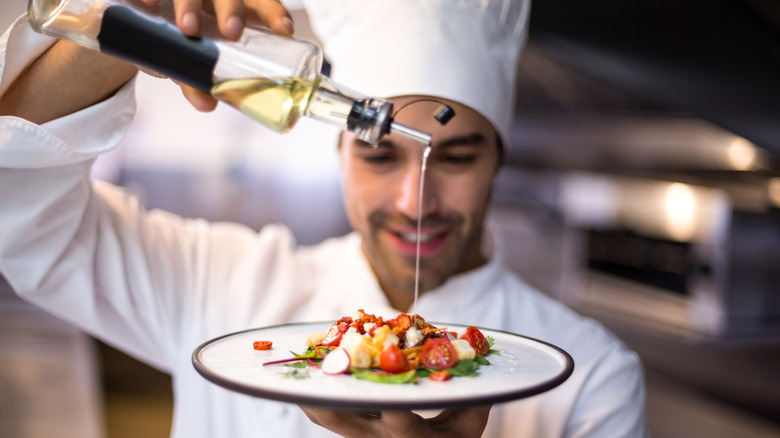
- Olive oil drizzled just before serving
- Yogurt or cream added at the end
These final touches improve balance without excess.
Build Flavor in Stages, Not All at Once
Complex flavor doesn’t require long ingredient lists. It comes from layering.
Each step of cooking is an opportunity to develop taste—browning, deglazing, simmering, finishing. Skipping steps often leads to flat results.
For example, sautéing tomato paste briefly before adding liquid deepens its sweetness. Deglazing a pan with broth or wine captures browned bits that carry concentrated flavor.
Think of cooking as a sequence, not a single action. When each stage adds something small, the final dish tastes complete.
Pay Attention to Texture, Not Just Taste
Flavor is closely tied to texture. Crispy, tender, creamy, and chewy elements all influence how food tastes.
A dish with uniform texture often feels dull, even if well-seasoned. Adding contrast—such as crunchy toppings or fresh herbs—keeps meals interesting.
Texture improvements don’t require extra effort:
- Toast breadcrumbs or nuts for toppings
- Finish soups with something fresh and crisp
- Rest proteins so juices redistribute
These habits elevate meals without complexity.
Finish With Acid, Freshness, or Heat
Many home cooks stop too early. Finishing touches matter.
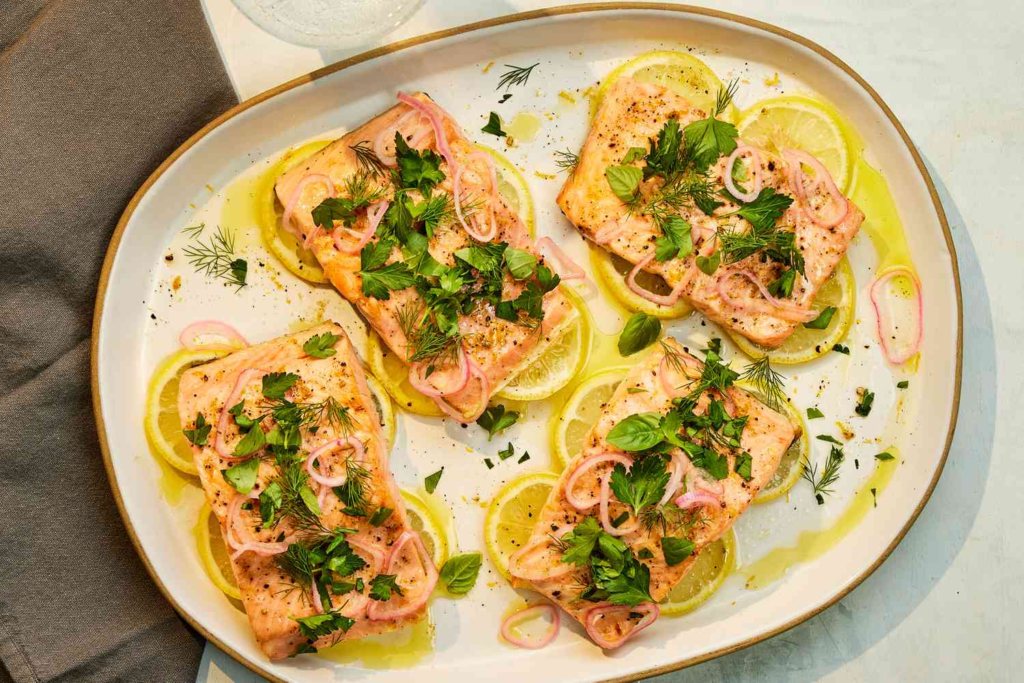
A small amount of acid—lemon juice, vinegar, or pickled ingredients—brightens flavor and balances richness. Capsaicin from chili adds warmth without overpowering.
Fresh herbs, added at the end, provide aroma that cooking can’t preserve. According to sensory research, aroma accounts for a significant portion of perceived flavor.
Finishing elements to keep on hand:
- Citrus wedges
- Vinegars
- Fresh herbs
- Chili oil or flakes
These additions often make the difference between “fine” and “really good.”
Taste Like a Cook, Not Just a Diner
Tasting throughout cooking trains your palate. Instead of asking “Do I like this?” ask “What does this need?”
Professional cooks adjust constantly—salt, acid, heat, fat—based on what they taste in the moment. Home cooks can do the same with practice.
Taste intentionally:
- Before and after seasoning
- Before serving
- With attention to balance
This habit builds confidence and reduces reliance on recipes.
Keep Your Tools Sharp and Your Workspace Calm
Dull knives, crowded pans, and cluttered counters slow you down and lead to mistakes.
Sharp knives improve consistency and safety. Proper pan size prevents steaming. A clear workspace keeps timing under control.
Good habits here don’t require fancy equipment—just maintenance and organization.
Frequently Asked Questions
1. Why does restaurant food taste better than home cooking?
Restaurants layer seasoning, manage heat precisely, and finish dishes thoughtfully—habits home cooks can adopt.
2. Does salting early really make a difference?
Yes. Early seasoning allows salt to distribute evenly and enhance natural flavors.
3. What’s the most common home-cooking mistake?
Using heat that’s too high and not tasting throughout cooking.
4. Can simple meals still taste great?
Absolutely. Many excellent dishes rely on just a few well-handled ingredients.
5. How do I know when food is properly seasoned?
It tastes balanced—neither flat nor overly salty—and flavors feel integrated.
6. Is expensive cookware necessary for better flavor?
No. Technique matters more than tools.
7. Why does food taste bland even with salt?
It may need acid, fat, or texture contrast rather than more salt.
8. How often should I taste while cooking?
At every major step: after seasoning, after simmering, and before serving.
9. Do fresh herbs really matter?
Yes. They add aroma that cooked ingredients can’t replicate.
Cooking Better Without Overcomplicating It
The most satisfying home meals come from awareness, not effort. When you season with intention, control heat, taste often, and finish thoughtfully, food improves naturally. These habits don’t demand extra time—just attention. Over time, they become instinct, and better meals follow.
What to Remember the Next Time You Cook
- Flavor develops in stages, not at the end
- Heat control is more important than speed
- Salt, fat, acid, and texture work together
- Tasting is a skill worth practicing