
Summary
Professional cooks don’t depend on rare or expensive ingredients. They rely on a small set of everyday staples—used thoughtfully and consistently—to build flavor, balance, and reliability. This guide explains which ingredients matter most, why chefs trust them, and how home cooks can use the same foundations to cook better, more confidently, and more efficiently.
Why Professional Cooks Focus on Fundamentals
Walk into a restaurant kitchen during prep hours and you won’t see shelves packed with obscure ingredients. What you’ll find instead are oils, acids, aromatics, grains, and proteins that appear simple but carry enormous influence. Professional cooks rely on these ingredients because they’re versatile, predictable, and adaptable across cuisines.
In commercial kitchens, consistency matters as much as creativity. An ingredient that performs reliably under heat, stores well, and works across multiple dishes becomes indispensable. At home, the same principle applies. Mastery doesn’t come from chasing novelty; it comes from understanding how everyday ingredients behave and how they interact.
According to the USDA, over 80% of meals prepared at home in the U.S. rely on fewer than 25 core ingredients. Professional cooks narrow that list even further, selecting staples that deliver flavor efficiently and predictably.
The Oils That Anchor Flavor
Cooking oils do far more than prevent sticking. They carry flavor, regulate heat, and influence texture. Professional cooks typically rely on a short list rather than a crowded shelf.
Extra-virgin olive oil is the default finishing oil in many kitchens. It adds aroma, subtle bitterness, and richness when used raw or gently warmed. Neutral oils like canola or grapeseed are chosen for high-heat cooking because they don’t compete with other flavors.
Butter remains essential—not just for richness, but for its ability to brown and create nutty depth through the Maillard reaction. Many chefs combine butter with neutral oil to raise the smoke point while preserving flavor.
What matters most isn’t brand prestige but freshness and proper use. Oils oxidize over time, and professionals replace them more often than home cooks typically do.

Salt: The Most Important Ingredient in the Kitchen
Salt isn’t just seasoning—it’s structure. It enhances sweetness, suppresses bitterness, and helps proteins retain moisture. Professional cooks think about salt at every stage of cooking, not just at the end.
Kosher salt is the standard in U.S. professional kitchens because its coarse texture makes it easier to control by hand. Fine salt behaves differently and can easily over-season if substituted without adjustment.
Chefs also salt early. Proteins seasoned ahead of time cook more evenly, and vegetables release moisture in a controlled way. This approach creates depth rather than surface-level saltiness.
A study published in Food Quality and Preference found that evenly distributed seasoning increases perceived flavor intensity by up to 30%, even when total sodium stays the same.
Aromatics That Build the Base
Onions, garlic, celery, and carrots—often referred to as aromatics—form the backbone of countless dishes. Professional cooks rely on them because they create complexity without overpowering the final dish.
These ingredients are usually cooked slowly at the beginning, allowing natural sugars to develop. That initial step influences everything that follows. Skip it or rush it, and the dish rarely recovers.
Freshness matters here. Limp onions or sprouting garlic won’t produce the same depth. Many chefs adjust their daily prep based on how aromatics smell and feel rather than relying on rigid measurements.
Acids That Create Balance
Professional cooks almost always reach for acid before adding more salt. Acidity brightens flavors and prevents dishes from tasting flat or heavy.
Common kitchen acids include lemon juice, vinegar, wine, and fermented products like yogurt or buttermilk. Each brings a different character. Lemon adds freshness, vinegar sharpness, and wine complexity.
Chefs use acid sparingly and strategically, often adding it at the end. A squeeze of lemon over roasted vegetables or a splash of vinegar in soup can transform the entire dish.
According to culinary research from the Institute of Food Technologists, balanced acidity improves flavor perception without increasing fat or sodium content.
Eggs: The Ultimate Utility Ingredient
Few ingredients work harder than eggs. In professional kitchens, they’re valued for structure, richness, and versatility.
Eggs bind meatballs, emulsify sauces, thicken custards, and provide quick proteins for staff meals. Their behavior changes dramatically based on temperature and technique, which is why chefs pay close attention to timing.
Freshness is critical. Chefs often crack eggs into separate bowls to inspect quality before use—a habit worth adopting at home.
Flour, Grains, and Starches That Deliver Reliability
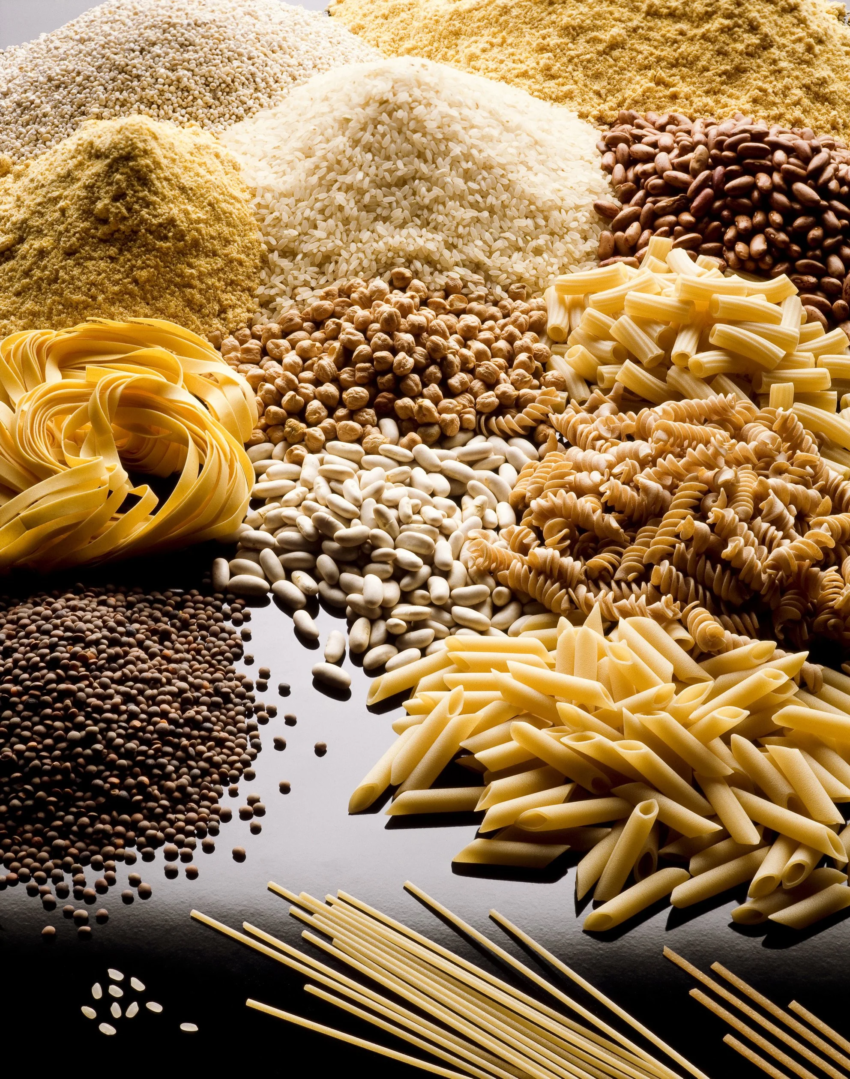
Professional cooks don’t stock dozens of flours. They rely on a few dependable options: all-purpose flour, rice, pasta, and potatoes.
These ingredients provide structure and satisfaction. Flour thickens sauces and forms crusts. Rice absorbs flavor and anchors meals. Potatoes adapt to nearly any cooking method.
Chefs focus on correct hydration and cooking time rather than novelty. Understanding starch behavior—when it gelatinizes, when it breaks—prevents common texture problems.
Stock and Broth: The Quiet Flavor Builders
In professional kitchens, stock is treated as an ingredient, not an afterthought. It adds depth without heaviness and connects flavors across dishes.
Many chefs still make stock in-house because commercial versions vary widely in sodium and flavor intensity. At home, selecting low-sodium broth allows for better control.
Stocks are used not only in soups but in grains, sauces, and braises. Even a small amount can elevate a dish when used intentionally.
Fresh Herbs Over Dried, Most of the Time
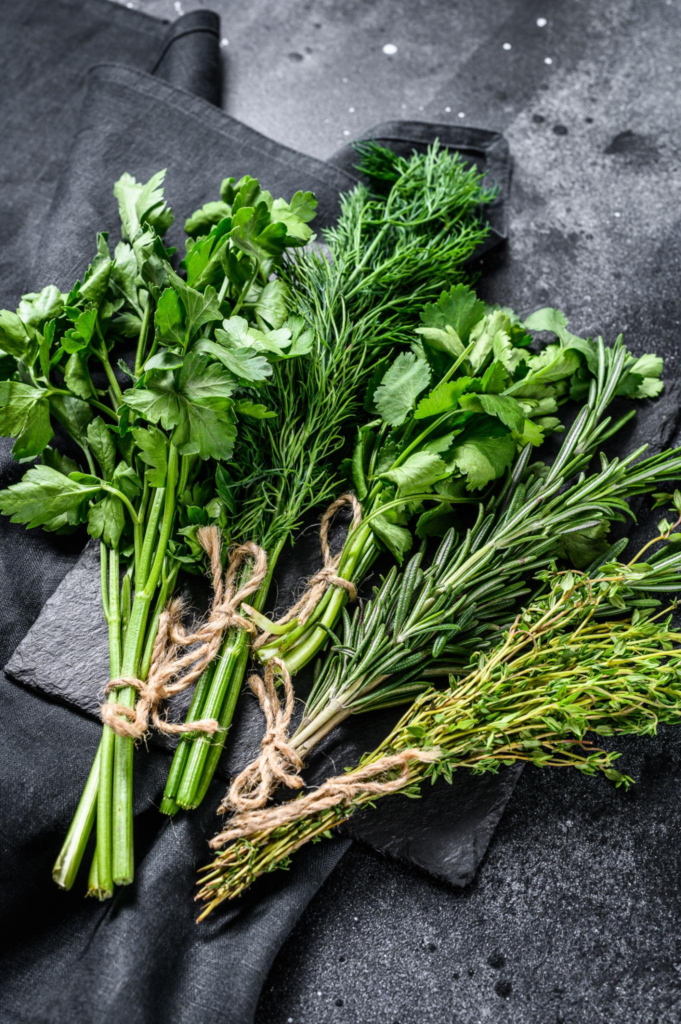
Professional cooks rely heavily on fresh herbs for aroma and finish. Parsley, cilantro, thyme, and chives appear constantly because they refresh dishes and add visual appeal.
Dried herbs have their place, especially in long-cooked dishes, but chefs understand their limitations. Fresh herbs provide brightness that can’t be replicated once a dish is fully cooked.
Storage matters. Chefs treat herbs like flowers—trimmed stems, water, and airflow—to extend usability.
Proteins Chosen for Flexibility
Rather than exotic cuts, professional cooks rely on adaptable proteins: chicken thighs, ground beef, eggs, beans, and fish with stable supply chains.
These proteins respond well to multiple cooking methods and absorb seasoning effectively. Chicken thighs, for example, are forgiving under heat and remain juicy.
Chefs also pay attention to sourcing consistency. Reliable quality matters more than premium labels when cooking at volume.
How Professionals Think About Ingredient Lists
Professional cooks don’t chase long ingredient lists. They think in systems:
- Ingredients that build flavor (salt, fat, acid)
- Ingredients that create structure (eggs, flour, starches)
- Ingredients that finish and balance (herbs, citrus)
This mindset simplifies decision-making and reduces waste.
Applying Professional Ingredient Thinking at Home
You don’t need restaurant access to cook like a professional. Start by refining your pantry and learning how a small group of ingredients behaves under different conditions.
Cook the same ingredients in multiple ways. Taste before adjusting. Add salt earlier. Finish with acid. These habits matter more than new recipes.
Frequently Asked Questions
What is the most important ingredient professional cooks rely on?
Salt, because it affects flavor, texture, and moisture at every stage of cooking.
Do chefs use expensive ingredients daily?
No. Most rely on affordable, widely available staples used with precision.
Why do chefs prefer kosher salt?
Its texture allows better control and more even seasoning.
Is fresh always better than dried ingredients?
Not always. Fresh herbs excel as finishes; dried herbs work well in long cooking.
Do professional cooks avoid shortcuts like store-bought broth?
They often make stock, but many use low-sodium store-bought versions strategically.
What oil do chefs use most at home?
Usually olive oil and a neutral high-heat oil.
Are eggs really that important?
Yes. Eggs provide structure, richness, and versatility unmatched by most ingredients.
How can I improve my cooking without new recipes?
Focus on ingredient quality, timing, and balance rather than complexity.
Do chefs measure ingredients precisely?
For baking, yes. For cooking, many rely on taste and experience.
A Kitchen Built on Trustworthy Ingredients
Professional cooks don’t rely on constant novelty. They build confidence by knowing how a short list of ingredients behaves every time it hits heat. When you understand those fundamentals, cooking becomes less about instructions and more about judgment—something no recipe can replace.
Key Ingredient Insights at a Glance
- Mastery comes from repetition, not rarity
- Salt, fat, and acid shape flavor more than spices
- Freshness and timing matter more than brand names
- Reliable ingredients reduce stress and waste
- Confidence grows through understanding, not complexity