

Summary
Home cooking is reshaping how Americans eat—gradually, pragmatically, and with lasting impact. Driven by cost concerns, health awareness, cultural curiosity, and changing work patterns, more households are returning to their kitchens. This shift isn’t about perfection or trends; it’s about control, flexibility, and building sustainable eating habits that fit real life.
A Subtle Shift With Real Consequences
Over the past decade, American eating habits have been changing in ways that don’t always make headlines. Instead of dramatic diet revolutions or viral food trends, the most meaningful transformation has been quieter: more meals prepared at home, more intentional grocery shopping, and a growing confidence in everyday cooking.
This isn’t a rejection of restaurants or convenience foods. It’s a recalibration. Americans are cooking more often not because they aspire to be chefs, but because home cooking solves practical problems—budget pressure, health concerns, time management, and family needs—better than many alternatives.
According to data from the U.S. Department of Agriculture, Americans now spend a higher share of their food budget on groceries than dining out compared with the years immediately before the pandemic. Even as restaurants reopened, grocery spending has remained elevated, suggesting this is not a temporary response but a lasting behavioral change.

Cost Awareness Is Driving the Kitchen Revival
Rising food prices have forced households to rethink everyday decisions. While grocery costs have increased, restaurant prices have climbed faster. For many families, cooking at home is one of the few reliable ways to manage food spending without sacrificing quality.
Home cooking allows Americans to:
- Stretch proteins across multiple meals
- Buy seasonal produce instead of premium prepared foods
- Reduce impulse spending tied to delivery apps
- Control portion sizes without feeling restricted
A simple example: a $20 grocery-store rotisserie chicken can become several meals—dinner one night, sandwiches the next day, and soup or tacos after that. The same $20 spent on takeout often covers a single meal for one person.
This growing awareness of value has made cooking feel less like a chore and more like a smart financial habit.
Health Isn’t About Diets—It’s About Control
Many Americans aren’t chasing strict diet plans anymore. Instead, they want flexibility, balance, and meals that support long-term health without constant rules. Home cooking provides that control in ways packaged foods and restaurant meals rarely can.
Cooking at home makes it easier to:
- Moderate sodium and added sugars
- Adjust fat levels without eliminating flavor
- Include more vegetables without forcing them
- Accommodate food sensitivities or allergies
Research from the Centers for Disease Control and Prevention consistently shows that people who prepare meals at home tend to consume fewer calories, less sugar, and fewer processed ingredients overall. The benefit doesn’t come from “healthy recipes” alone—it comes from knowing what’s actually in the food.
For many households, this translates into small but meaningful changes: roasting vegetables instead of frying them, swapping refined grains for whole grains, or simply eating more meals that aren’t pre-packaged.
Convenience Has Been Redefined
The idea that home cooking is inherently time-consuming no longer reflects reality. Americans are redefining convenience—not as speed at all costs, but as efficiency and predictability.
Modern home cooks rely on:
- One-pan or one-pot meals
- Slow cookers and pressure cookers
- Pre-chopped or frozen vegetables
- Weekly meal planning rather than daily decisions
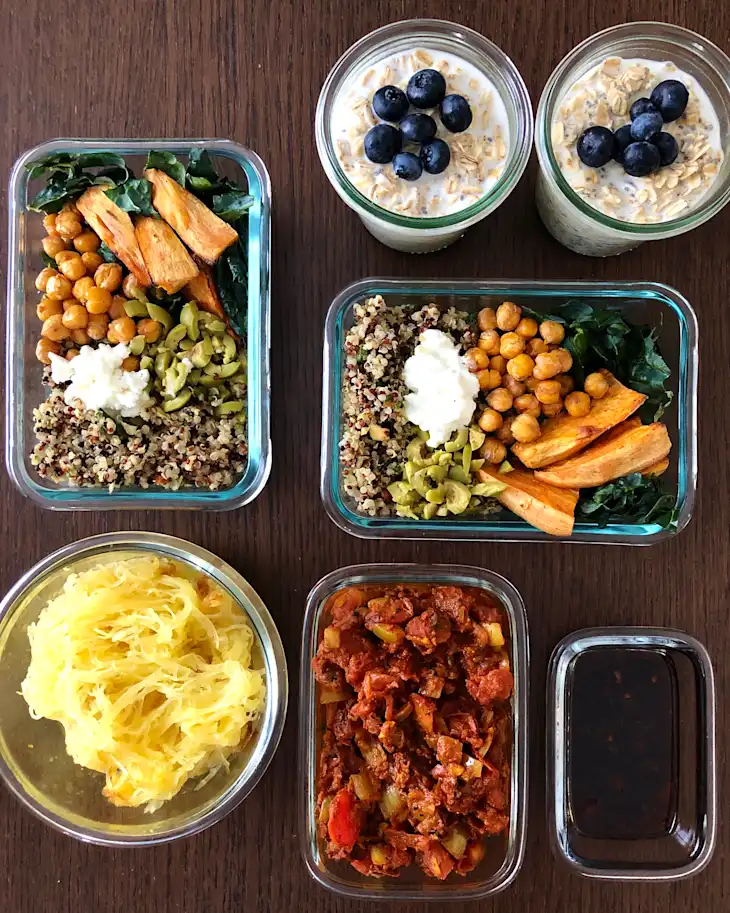
A working parent who cooks three simple meals at home during the week may spend less total time on food than someone who orders delivery multiple times and waits for it to arrive. Cooking becomes easier when it’s planned, repeatable, and forgiving.
This shift explains why recipes labeled “weeknight-friendly” or “15-minute meals” consistently outperform elaborate dishes in search results and media engagement.
Cultural Curiosity Is Moving Into the Home
Another quiet change is how Americans explore global cuisines. Instead of relying solely on restaurants, many are learning to cook international dishes at home—often simplified, adapted, and personalized.
This doesn’t mean strict authenticity. It means familiarity. Home cooks are comfortable experimenting with flavors like:
- Gochujang or miso in everyday sauces
- Harissa mixed into roasted vegetables
- Cumin, coriander, or turmeric added to staples
Cooking these flavors at home lowers the barrier to entry. A dish doesn’t have to be perfect to be satisfying. Over time, this experimentation broadens palates and reduces reliance on processed “international” foods that often oversimplify or over-salt traditional flavors.
Family Meals Are Becoming Flexible, Not Formal
The traditional image of nightly sit-down family dinners doesn’t reflect most American households today. Yet home cooking still plays a central role—even when schedules don’t align.
Families are adapting by:
- Cooking once and eating in shifts
- Preparing components rather than fixed meals
- Letting family members customize plates
- Prioritizing shared meals when possible, not mandatory
This flexibility keeps cooking sustainable. A pot of chili, a tray of roasted vegetables, or a batch of rice can support different meals across several days. The emphasis shifts from ritual to nourishment and connection when it fits naturally.
Cooking Skills Are Being Relearned—Gradually
Many adults grew up without learning basic cooking skills. Rather than enrolling in formal classes, they’re learning incrementally through repetition, digital content, and experience.
Americans are becoming more comfortable with:
- Adjusting recipes rather than following them exactly
- Understanding doneness instead of relying on timers
- Using leftovers creatively
- Trusting taste and texture cues
This slow skill-building changes eating habits over time. When cooking feels manageable, it happens more often. When it happens more often, it becomes the default rather than the exception.
Technology Is Supporting, Not Replacing, Cooking
Food technology hasn’t eliminated cooking—it has made it more accessible. Grocery pickup, recipe apps, smart kitchen appliances, and online tutorials reduce friction without removing the act of cooking itself.
Key tools that support home cooking include:
- Grocery apps with saved lists
- Digital meal planners
- Appliances that reduce active cooking time
- Online communities for troubleshooting and inspiration
Instead of outsourcing meals, Americans are outsourcing decisions and logistics. That distinction matters.
Environmental and Ethical Awareness Plays a Supporting Role
While sustainability isn’t the primary motivator for most households, it reinforces the shift toward home cooking. Preparing meals at home often results in:
- Less packaging waste
- Reduced food waste through leftovers
- More mindful meat consumption
- Greater appreciation for seasonal foods
These benefits tend to emerge organically rather than through strict intention. Over time, they influence purchasing habits and meal choices without requiring major lifestyle changes.

Frequently Asked Questions
Is home cooking really increasing in the U.S.?
Yes. Grocery spending remains higher than pre-pandemic levels, and surveys show more Americans cook multiple meals at home each week than they did a decade ago.
Does cooking at home actually save money?
In most cases, yes—especially when meals are planned and leftovers are used intentionally.
Do people eat healthier when they cook at home?
Research consistently shows lower calorie intake and reduced consumption of processed ingredients among people who cook more frequently.
How much time does home cooking realistically take?
With planning, many home-cooked meals require 20–40 minutes, comparable to ordering and waiting for takeout.
Are meal kits part of this trend?
Yes. They often act as a bridge, helping people build confidence and routines around cooking.
What if someone doesn’t enjoy cooking?
Many people don’t love cooking—but enjoy the results. Simplified meals and repetition reduce friction.
Is home cooking sustainable long-term?
It is when flexibility, convenience, and realistic expectations are prioritized.
Does home cooking mean avoiding restaurants?
Not at all. Most households balance both, using restaurants selectively rather than routinely.
Are younger Americans cooking more?
Yes. Millennials and Gen Z report higher cooking frequency than previous generations at the same age.
The Kitchen as a Practical Center of Modern Life
Home cooking isn’t about nostalgia or moral superiority. It’s about solving everyday problems—budget pressure, health concerns, scheduling chaos—in ways that feel realistic and adaptable. As Americans continue to reshape how they live and work, the kitchen has quietly reclaimed its role as a place of agency rather than obligation.
What This Shift Tells Us About American Eating Habits
- Control matters more than perfection
- Flexibility sustains habits better than rules
- Cooking confidence grows through repetition
- Convenience and home cooking can coexist
- Small changes compound over time