

Summary
Tools earn their place in daily life when they reduce friction without demanding constant attention. This article explores practical technologies that quietly support work, health, finances, and home life—without overwhelming users. Drawing on real-world examples and credible data, it explains how Americans can choose tools that fit naturally into routines instead of taking them over.
Modern life runs on tools. Calendars tell us where to be, apps manage our money, and devices track everything from sleep to steps. Yet many Americans feel overwhelmed by technology rather than supported by it. The problem usually isn’t too many tools—it’s the wrong kind of tools.
The most valuable tools today are not the loudest or most feature-packed. They are the ones that blend into daily routines, reduce mental load, and quietly do their job. These tools respect attention, support human habits, and don’t require constant maintenance to remain useful.
This article examines what those tools look like in real life, how to identify them, and where Americans are getting the most practical value—without turning daily life into a never-ending system to manage.
Why “Low-Friction” Tools Matter More Than Ever
Americans interact with technology hundreds of times a day. Studies consistently show that excessive notifications, fragmented workflows, and digital clutter increase stress and decision fatigue. At the same time, people still rely on tools to work efficiently, stay healthy, and manage households.
Low-friction tools solve this tension. They work with existing habits rather than forcing behavior change. Instead of demanding constant engagement, they operate in the background, step in only when needed, and make life easier without asking for attention in return.
In practice, this means tools that:
- Require minimal setup
- Don’t need daily optimization
- Provide clear, immediate value
- Integrate smoothly into routines already in place
These characteristics are increasingly important as more Americans seek balance between productivity and personal well-being.
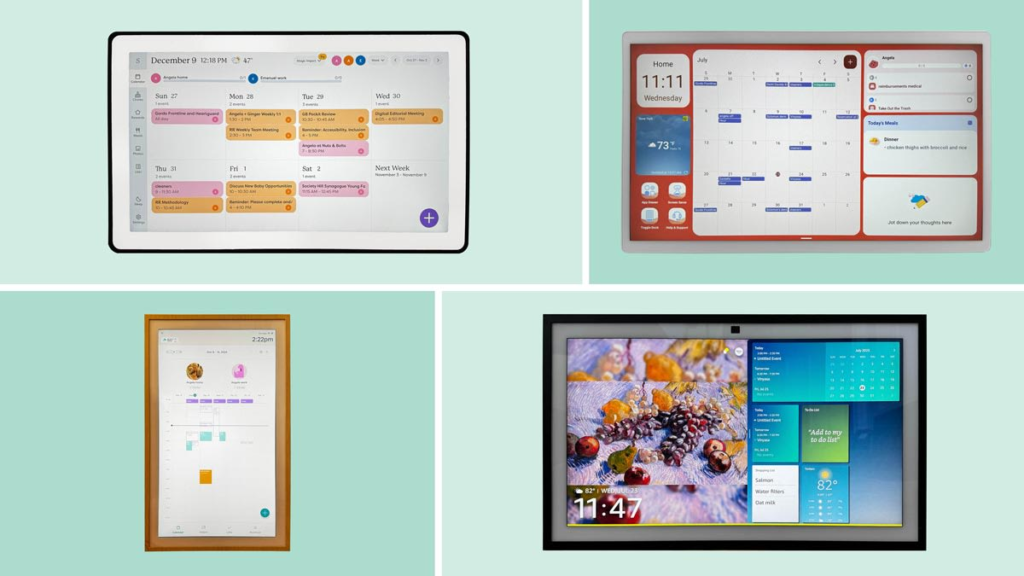
Tools That Support Focus Without Controlling Attention
One of the most searched questions around productivity is: “How can I stay organized without feeling overwhelmed?” The answer often lies in reducing tool complexity.
Simple planning tools—like basic digital calendars, reminder systems, or single-list task managers—outperform complex systems for most people. When a tool mirrors how the brain naturally works, it becomes supportive rather than intrusive.
For example, many professionals find that:
- A single daily task list works better than multi-layered project boards
- Time-blocking on a calendar reduces stress more than constant to-do reshuffling
- Tools that default to “off” notifications improve focus
The key is not how powerful the tool is, but how little it demands to be effective.
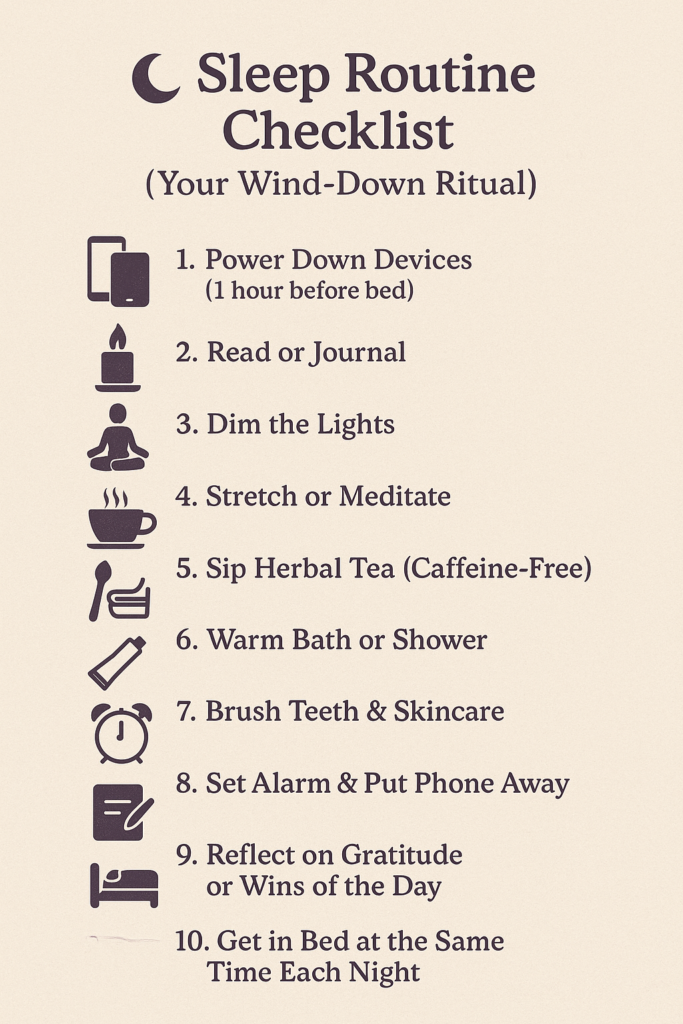
Health Tools That Encourage Awareness, Not Obsession
Health technology has exploded, but more data doesn’t always lead to better outcomes. Americans frequently search for “health apps that don’t cause anxiety”—a sign that many tools push users toward over-monitoring.
The most sustainable health tools focus on patterns rather than perfection. They provide summaries instead of constant alerts and emphasize long-term trends over daily fluctuations.
Effective examples in daily life include:
- Step tracking that highlights weekly movement instead of hourly goals
- Sleep insights that show averages and ranges, not nightly “scores”
- Medication reminders that activate only when needed
These tools support healthier decisions without turning wellness into a full-time job.
Financial Tools That Reduce Cognitive Load
Money management is one of the most common sources of stress for American households. Yet financial tools often fail by being either too simplistic or overwhelmingly detailed.
The tools that fit best into daily life share a few traits:
- Automatic categorization of spending
- Clear monthly snapshots rather than constant alerts
- Visual summaries that require no interpretation
For many families, simply seeing where money goes—without manual tracking—leads to better decisions. The best tools remove guesswork and eliminate the need for frequent check-ins.
In practice, people benefit most from tools that:
- Run automatically once set up
- Highlight unusual activity instead of every transaction
- Present information in plain language
Home and Family Tools That Stay in the Background
At home, the difference between helpful and intrusive technology is especially clear. Tools meant to simplify family life often add complexity if they require constant adjustment.
The most successful household tools tend to be:
- Set once and rarely revisited
- Shared easily among family members
- Designed around predictable routines
Examples include shared grocery lists that update in real time, thermostats that adjust automatically based on usage patterns, and security tools that notify only when something unusual happens.
These tools succeed because they disappear into daily life—doing their job quietly and reliably.
The Role of Automation in Daily Life
Automation is often misunderstood as something that replaces human judgment. In reality, the best automation reduces repetitive decisions while leaving meaningful choices intact.
Americans increasingly search for “simple automation ideas for daily life.” The most effective automations are small and specific:
- Bills paid automatically on known dates
- Lights adjusting based on time of day
- Files organizing themselves without manual sorting
When automation handles predictable tasks, people regain time and mental energy without feeling disconnected or dependent on technology.
How to Tell If a Tool Will Fit—or Take Over
Before adopting any new tool, asking the right questions can prevent frustration later. Tools that take over daily life often share warning signs:
- They require frequent “maintenance”
- They demand daily input to remain accurate
- They generate more decisions than they remove
By contrast, tools that fit naturally tend to:
- Work immediately with minimal setup
- Improve life even if used imperfectly
- Deliver value without constant interaction
The difference becomes clear within the first few weeks of use.
What the Data Suggests About Tool Fatigue
Surveys of American workers consistently show that tool overload reduces productivity and job satisfaction. Employees using fewer, better-integrated tools report lower stress and higher focus than those juggling multiple platforms.
This aligns with broader research on decision fatigue, which shows that reducing small, repetitive choices improves overall well-being. Tools that simplify daily decisions—rather than multiplying them—align with how people actually live and work.
Building a Personal “Tool Philosophy”
The most effective approach isn’t chasing the latest technology. It’s developing a clear philosophy about what tools are for.
Many Americans find success by adopting simple rules:
- One primary tool per function
- Tools must save time within the first month
- If a tool adds stress, it goes
This mindset keeps technology in its proper role—as support, not control.

Frequently Asked Questions
1. What does it mean for a tool to “fit into daily life”?
It means the tool supports existing habits, requires minimal attention, and delivers value without constant interaction.
2. Are simple tools really better than advanced ones?
For most people, yes. Simplicity often leads to consistent use, which matters more than advanced features.
3. How do I avoid tool overload at work?
Limit overlapping tools, disable nonessential notifications, and consolidate functions whenever possible.
4. Can automation make life feel impersonal?
Not when used thoughtfully. Small automations often free time for more meaningful activities.
5. What’s a sign that a tool is taking over my life?
If managing the tool becomes a daily task, it’s no longer serving you.
6. Do health tracking tools increase anxiety?
They can, if overly detailed. Tools focused on trends rather than daily metrics are less stressful.
7. How many tools should I realistically use?
As few as possible. One strong tool per need is usually sufficient.
8. Is it okay to abandon a tool after a short time?
Absolutely. Early disengagement often prevents long-term frustration.
9. Are paid tools usually better?
Not always. Value depends on fit, not price.
When Technology Respects Human Limits
The future of useful technology isn’t about doing more—it’s about demanding less. Tools that fit into daily life respect attention, support routines, and quietly make things easier. When technology stays in its place, people regain control of their time, focus, and energy.
A Few Grounded Takeaways to Keep in Mind
- Choose tools that reduce decisions, not create them
- Prioritize consistency over complexity
- Let automation handle the predictable
- Reassess tools regularly without guilt
- Remember that usefulness beats novelty