
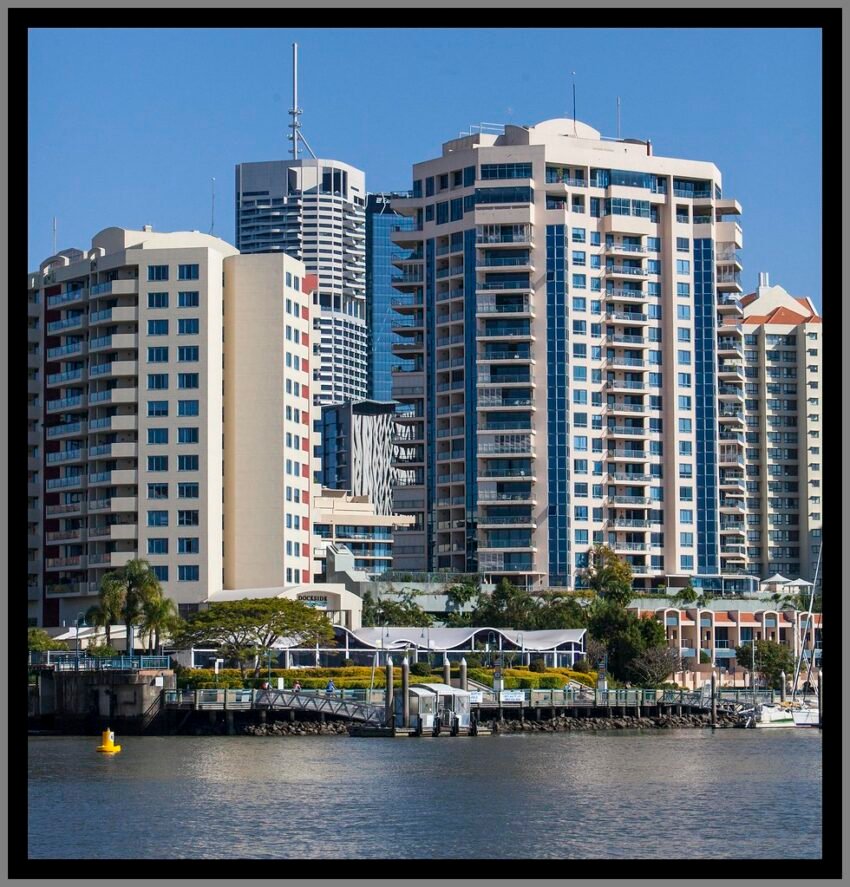
American vacations are evolving in subtle but significant ways. Travelers are prioritizing flexibility, off-peak timing, smaller destinations, remote-work integration, sustainability, and experience-based spending over traditional weeklong resort stays. Backed by industry data and behavioral trends, this guide explains the emerging habits reshaping how Americans plan, budget, and experience travel today.
A Shift Happening in Plain Sight
The American vacation is not disappearing—it’s being redesigned.
For decades, the dominant model centered on one annual trip: a beach resort, theme park, cruise, or major international city. Today, the pattern looks different. Americans are traveling more frequently but often for shorter durations. They are choosing shoulder seasons over peak weeks. They are mixing work and leisure. And they are evaluating value differently.
According to the U.S. Travel Association, domestic leisure travel remains a primary driver of the U.S. travel economy, but spending patterns show diversification across trip types and destinations. Meanwhile, data from the Bureau of Transportation Statistics confirms steady domestic flight demand, reflecting continued mobility—but not necessarily traditional vacation structures.
These quiet adjustments are redefining what an American vacation looks like.
1. Shorter, More Frequent Trips
One of the most noticeable behavioral changes is the rise of the “long weekend” strategy. Instead of waiting for one extended vacation, travelers are planning multiple three- or four-day trips throughout the year.
Why is this happening?
- Remote work flexibility
- Increased airline route competition on domestic corridors
- Rising hotel prices in peak seasons
- Desire to spread travel experiences across the year
Shorter trips often require less advance planning and lower upfront costs. They also reduce the pressure to “make the vacation perfect.” Travelers can experiment with new destinations without committing to a full week.
This trend is particularly visible in mid-sized cities and regional destinations accessible by car or short-haul flight.
2. Off-Peak and Shoulder Season Travel
Search interest around “best time to avoid crowds” has grown significantly in recent years. Americans are increasingly aware that peak travel periods—summer, spring break, major holidays—come with higher prices and heavier congestion.
Travelers are now intentionally booking:
- Early May instead of June
- Late September instead of July
- Early December instead of peak holiday weeks
Airfare tracking platforms like Hopper frequently publish data showing noticeable fare differences between peak and shoulder seasons.
The advantages extend beyond price:
- Shorter lines
- More availability in boutique hotels
- Better access to local restaurants
- Cooler or milder weather in many regions
This habit reflects a growing sophistication in trip planning.
3. Blended Travel: Work Meets Leisure
The rise of remote work has made “bleisure” (business + leisure) a mainstream concept rather than a niche strategy. Employees attending conferences or client meetings often extend trips by several days.
Similarly, remote professionals are booking weeklong stays in secondary cities while maintaining work schedules.
Travelers prioritize:
- Reliable Wi-Fi
- Walkable neighborhoods
- Access to coworking spaces
- Quiet weekday environments
The American Hotel & Lodging Association has reported sustained demand for weekday leisure stays in urban markets, suggesting that traditional weekend-only patterns are evolving.
Vacations are no longer strictly disconnected from work—they are integrated strategically.
4. Destination Depth Over Checklist Tourism
Many Americans are asking: Is it better to see more places or stay longer in one?
Increasingly, travelers are choosing depth over breadth. Instead of visiting three cities in five days, they might spend four days exploring one neighborhood thoroughly.
This approach supports:
- Local dining exploration
- Museum visits beyond headline attractions
- Participation in workshops or guided tours
- Slower, less stressful itineraries
The influence of experiential travel has been reinforced by research from Skift Research, which notes growing demand for immersive and community-oriented travel experiences.
Travelers want connection, not just photographs.
5. Alternative Lodging and Smaller Properties
While large resorts remain popular, there is growing interest in boutique hotels, historic inns, and short-term rentals in residential neighborhoods.
Travelers prioritize:
- Kitchen access for longer stays
- Separate workspaces
- Architectural character
- Proximity to local businesses
The shift reflects a desire for neighborhood integration rather than isolation in tourist districts.
6. Cost Awareness Without Sacrificing Experience
Americans are not necessarily traveling less—but they are evaluating costs more critically.
Instead of focusing solely on airfare, travelers are comparing:
- Total trip cost (transportation, lodging, food)
- Ground transportation options
- Flexibility of cancellation policies
- Value of loyalty programs
Programs such as Delta SkyMiles and United MileagePlus remain influential, but travelers are more analytical about status benefits and redemption value.
Cost control is now part of the planning mindset.
7. Sustainability and Regional Travel
Environmental awareness is influencing travel decisions in measurable ways. Some travelers are:
- Choosing trains or driving over short-haul flights
- Selecting accommodations with sustainability certifications
- Supporting local businesses directly
The Environmental Protection Agency highlights transportation as a significant source of emissions, prompting some Americans to reconsider trip logistics.
While sustainability is rarely the sole decision driver, it is increasingly part of the evaluation process.
8. Smaller Airports and Secondary Cities
Travelers are expanding beyond primary hubs. Secondary cities often offer:
- Lower hotel rates
- Less congestion
- Shorter airport lines
- Strong regional culture
For example, instead of flying exclusively into Los Angeles International Airport, travelers may consider smaller regional airports nearby.
The shift reflects both practicality and curiosity.
9. Flexible Booking as a Standard Expectation
Cancellation flexibility became critical in recent years. Now, many travelers refuse to book non-refundable options without strong cost incentives.
Travelers prioritize:
- Free cancellation windows
- Airline change-fee policies
- Refundable rate options
- Travel insurance evaluation
Flexibility is no longer a premium feature—it’s an expectation.
10. Experience-Based Spending
Instead of upgrading flights, many travelers allocate budgets toward:
- Local culinary tours
- Guided nature excursions
- Cultural workshops
- Museum memberships
Research from Eventbrite has previously indicated that consumers often prioritize experiences over material goods, a mindset that carries into travel behavior.
The emphasis is shifting from luxury status to memorable engagement.
Frequently Asked Questions
1. Are Americans traveling more or less than before?
Domestic travel demand remains strong, though trip types and durations have diversified.
2. Is shoulder season travel really cheaper?
Often yes, especially for airfare and mid-range accommodations.
3. What is “bleisure” travel?
Combining work obligations with leisure time during the same trip.
4. Are boutique hotels replacing large resorts?
Not replacing—but complementing. Travelers are diversifying lodging preferences.
5. How can I plan multiple shorter trips affordably?
Use fare alerts, remain flexible on dates, and focus on regional destinations.
6. Is sustainability influencing U.S. travel decisions?
Increasingly yes, though typically alongside cost and convenience considerations.
7. Are loyalty programs still valuable?
For frequent travelers, status benefits can improve flexibility and comfort.
8. How far in advance should I book?
Domestic flights often price competitively 1–3 months out, depending on season.
9. Is remote work travel sustainable long term?
It depends on employer flexibility and personal productivity structure.
10. What’s the biggest change in American vacation habits?
Greater flexibility and diversification across trip types.
The Broader Implication
These habits are not dramatic revolutions. They are subtle refinements: strategic booking windows, midweek departures, alternative lodging choices, shorter trips, deeper local exploration.
Collectively, they are reshaping expectations. The American vacation is no longer defined by one long annual escape. It is increasingly modular, flexible, and experience-focused.
Rethinking What “Vacation” Means
The quiet transformation of American travel habits reflects broader lifestyle shifts—remote work, digital tools, flexible planning, and greater cost transparency.
For travelers, the takeaway is not to abandon traditional vacations. It is to reconsider structure. A more adaptable mindset—regarding timing, destination selection, and spending priorities—can produce richer and often less stressful travel experiences.
The Emerging Blueprint for Modern U.S. Travel
The American vacation is becoming more strategic, more flexible, and more diversified. It values time optimization, authentic experience, and financial awareness. Travelers who adapt to these habits are likely to experience smoother logistics, better pricing, and more meaningful engagement with destinations.
Signals That the American Vacation Is Evolving
Exploration of secondary cities
Multiple shorter trips replacing one long annual getaway
Increased shoulder-season bookings
Blended work-leisure travel
Preference for neighborhood-based lodging
Greater cost transparency and flexibility expectations
Experience-centered spending
Growing interest in sustainability