
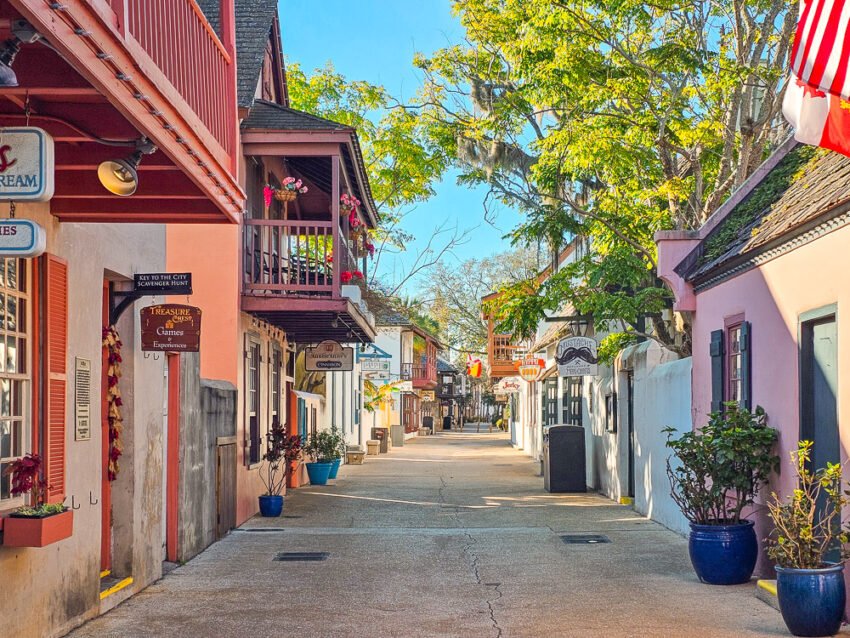
Across the United States, historic towns are undergoing thoughtful cultural revivals driven by preservation funding, local entrepreneurship, and renewed interest in regional identity. From revitalized main streets to adaptive reuse of industrial buildings, these communities now offer art, cuisine, music, and heritage experiences without major-city crowds. Here’s where the revival is happening—and what travelers can expect.
Why Historic Towns Are Seeing a Resurgence
Many Americans are searching for destinations that offer character without congestion. As urban tourism becomes more expensive and crowded, smaller historic towns are benefiting from a shift in traveler priorities: walkability, authenticity, and local culture.
According to the National Trust for Historic Preservation, heritage tourism continues to grow as travelers seek meaningful experiences connected to history and architecture. At the same time, federal and state-level preservation tax credits have encouraged adaptive reuse of historic buildings, turning former warehouses, train depots, and mills into boutique hotels, galleries, and restaurants.
The result is not nostalgia for its own sake. It is reinvention grounded in preservation.
What Is Driving the Cultural Revival?
Several overlapping trends are fueling the momentum:
- Investment through historic preservation tax credits
- Remote work allowing professionals to relocate to smaller communities
- Growth of regional food movements
- Expansion of arts programming and festivals
- Increased domestic travel to secondary destinations
Data from the U.S. Travel Association shows sustained domestic travel interest in small and mid-sized destinations, particularly for weekend and regional trips.
Travelers aren’t just visiting these towns; they’re rediscovering them.
1. Bisbee: Mining Roots, Modern Art Energy
Once a booming copper mining town in southern Arizona, Bisbee has transformed into a creative enclave without losing its historic architecture. Colorful hillside homes and early 20th-century buildings now house studios, coffee shops, and independent bookstores.
Visitors will find:
- The restored Copper Queen Hotel
- Local galleries featuring Southwestern contemporary art
- Walking tours of Victorian-era neighborhoods
- Live music in intimate venues
Bisbee’s appeal lies in its layered identity—industrial heritage meeting creative reinvention.
2. Paducah: UNESCO Recognition and Creative Renewal
Paducah’s LowerTown Arts District has gained national attention, and its designation as a UNESCO Creative City has elevated its profile.
The revitalization centers around restored 19th-century homes and storefronts now occupied by working artists. Visitors can explore:
- The National Quilt Museum
- Independent galleries and studios
- Riverfront redevelopment along the Ohio River
- Culinary spots emphasizing regional Southern cuisine
Paducah demonstrates how arts infrastructure can anchor economic revival without erasing historical context.
3. Hudson: Antiques, Food, and Design
Located along the Hudson River, Hudson has evolved from a quiet post-industrial town into a design-focused cultural hub. Warren Street’s preserved storefronts now house antiques dealers, boutique hotels, and farm-to-table restaurants.
Visitors often ask: Is Hudson worth visiting beyond antiquing? The answer lies in its diversity:
- Contemporary art galleries
- Historic architecture from the Federal and Victorian eras
- Access to nearby hiking trails
- Culinary establishments led by New York City-trained chefs
Hudson reflects a broader trend of creative professionals relocating to smaller historic towns.
4. Eureka Springs: Victorian Charm Meets Culinary Growth
Nestled in the Ozarks, Eureka Springs has long been known for its preserved Victorian architecture. What’s new is its culinary and hospitality evolution.
Travelers now find:
- Restored 1880s buildings housing modern restaurants
- Boutique inns with updated amenities
- Art festivals and seasonal events
- Outdoor recreation integrated with historic downtown exploration
The town balances tourism with preservation, avoiding large-scale development.
5. Fredericksburg: Heritage and Wine Country Expansion
Fredericksburg’s German heritage is visible in its architecture and festivals. In recent years, the surrounding Texas Hill Country wine industry has expanded significantly, drawing a new generation of visitors.
According to the Texas Wine and Grape Growers Association, the state’s wine sector has grown steadily, reinforcing Fredericksburg’s appeal as both a historic town and culinary destination.
Visitors experience:
- Historic Main Street storefronts
- German-inspired bakeries
- Nearby vineyards and tasting rooms
- Museums focused on local settlement history
It is both heritage-focused and forward-looking.
6. St. Augustine: Oldest City, Renewed Energy
Often recognized as the oldest continuously inhabited European-established settlement in the continental U.S., St. Augustine has refined its visitor experience.
Beyond well-known landmarks, travelers now discover:
- Revitalized local dining districts
- Artisan markets
- Carefully restored colonial architecture
- Cultural programming beyond traditional tourism
The town demonstrates how mature destinations can modernize without over-commercialization.
What Visitors Will Notice Immediately
Across these towns, several common elements emerge:
- Walkable historic districts
- Independent retail over national chains
- Adaptive reuse of historic structures
- Community-supported arts programming
- Culinary identity tied to regional ingredients
These features contribute to atmosphere as much as attractions.
How to Evaluate a Revitalized Historic Town
Travelers often ask: How do I know if a historic town offers real cultural depth or just surface-level tourism?
Consider:
- Is there active preservation work visible?
- Are there locally owned businesses dominating downtown?
- Does the town host recurring arts or heritage festivals?
- Are museums or cultural institutions well-supported?
- Is architecture genuinely preserved rather than replicated?
Authenticity is usually visible in details.
Practical Planning Advice
When planning a visit to a culturally revitalized town:
- Visit midweek to avoid weekend congestion
- Book lodging in historic districts for walkability
- Research seasonal festivals before booking
- Prioritize local restaurants over chains
- Schedule guided tours to understand context
Many towns offer volunteer-led walking tours that provide deeper historical interpretation.
Frequently Asked Questions
1. Are historic towns more affordable than major cities?
Often yes, though boutique accommodations can raise costs in high-demand seasons.
2. What time of year is best to visit?
Shoulder seasons—spring and fall—typically offer better weather and fewer crowds.
3. Are these towns family-friendly?
Most offer museums, parks, and walkable areas suitable for families.
4. How many days should I plan?
Two to three days typically allows meaningful exploration.
5. Are these destinations accessible without a car?
Some, like Hudson, offer rail access; others require driving.
6. Is overtourism a concern?
In select towns, peak weekends can become busy. Midweek travel mitigates this.
7. Do revitalized towns lose authenticity?
When preservation standards are maintained, growth can enhance rather than dilute identity.
8. How can visitors support local preservation?
Spend locally and visit museums or preservation organizations.
9. Are historic hotels modernized?
Most renovated properties combine historic architecture with contemporary amenities.
10. Are these towns suitable for remote work trips?
Yes, many offer strong Wi-Fi infrastructure and quieter weekday environments.
The Broader Impact of Cultural Revitalization
The revival of historic towns reflects more than tourism trends. It signals a renewed appreciation for regional identity and architectural stewardship. According to preservation research supported by the Advisory Council on Historic Preservation, heritage investments often correlate with economic resilience and small business growth.
Visitors benefit from this cycle: restored buildings, vibrant downtowns, and cultural programming rooted in history rather than manufactured experiences.
Rediscovering the American Main Street
Historic towns undergoing cultural revival offer something increasingly rare—places where architecture, food, art, and community intersect at a human scale.
They are not substitutes for major cities. They are distinct experiences shaped by preservation, entrepreneurship, and local pride. For travelers seeking meaningful domestic trips without large-scale congestion, these towns represent thoughtful alternatives.
Where Heritage Meets Renewal
The renaissance of America’s historic towns illustrates how preservation and innovation can coexist. These communities are not frozen in time; they are evolving deliberately. Visitors who approach them with curiosity and respect will find more than charming facades—they will encounter living culture shaped by past and present.
Snapshot of What Sets These Towns Apart
Community-driven revitalization strategies
Authentic architecture preserved through active stewardship
Strong local arts and culinary ecosystems
Walkable downtown cores
Regional identity over national branding