
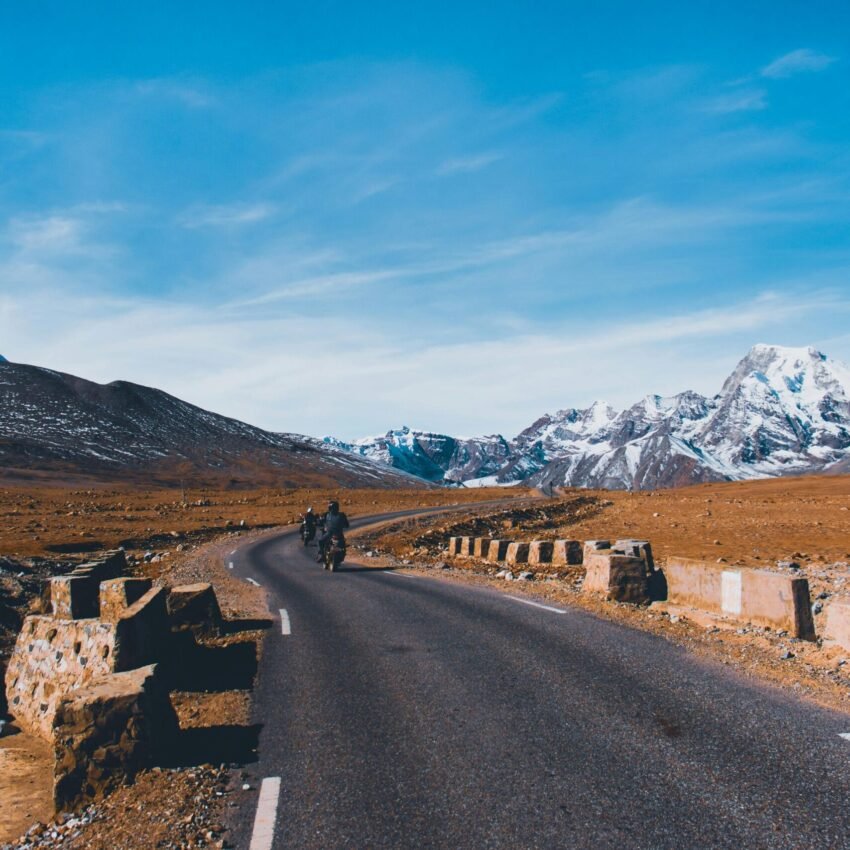
American road trips are evolving beyond highway marathons and bucket-list landmarks. Today’s travelers are prioritizing scenic byways, regional cuisine, cultural heritage, and small-town identity alongside natural beauty. From coastal highways to mountain corridors, a new generation of road trips blends immersive local experiences with iconic landscapes—offering flexibility, affordability, and deeper connection.
Why Road Trips Are Changing
Road trips have always been embedded in American culture, from the legacy of Route 66 to the creation of the Interstate Highway System. But the way Americans approach road travel is shifting.
According to the U.S. Travel Association, domestic leisure travel remains strong, with many travelers favoring drive-to destinations for flexibility and cost control. Rising airfare variability, remote work flexibility, and renewed interest in regional exploration have reshaped expectations.
Travelers are no longer asking only, “What’s the fastest route?” They’re asking:
- Which road trips feel authentic?
- Where can I avoid heavy crowds?
- How can I combine nature with local culture?
- What are the best scenic drives in the U.S. that aren’t overly commercialized?
The new era of road trips blends landscape with lived experience.
The Blue Ridge Parkway: Scenic Miles With Appalachian Identity
Stretching 469 miles between Shenandoah National Park and Great Smoky Mountains National Park, the Blue Ridge Parkway is often described as one of America’s most scenic drives.
What makes it relevant in this new road trip era is not just its mountain overlooks but its cultural depth. Travelers can stop in towns like Asheville to explore independent bookstores, Appalachian craft studios, and regional cuisine rooted in mountain traditions.
Rather than racing through the entire parkway in a single weekend, many travelers now break the drive into multi-day segments, staying in locally owned inns or cabins.
Best for: Fall foliage, music heritage, hiking access
Travel tip: Plan around seasonal closures; higher elevations can close in winter.
Pacific Coast Highway: Coastal Views With Working Waterfronts
The stretch of Pacific Coast Highway along California’s coastline has long drawn travelers. In this new approach, the focus shifts from simply photographing cliffs to engaging with coastal communities.
Stops in Monterey or San Luis Obispo provide opportunities to visit marine conservation centers, family-run vineyards, and historic downtown districts.
This route works best when travelers resist over-scheduling. Coastal fog, traffic, and construction can alter plans, but flexibility allows for spontaneous detours—often the most memorable moments.
Best for: Coastal scenery, culinary exploration, marine wildlife
Travel tip: Reserve lodging well in advance during summer months.
The Great River Road: America Along the Mississippi
Following the Mississippi River through ten states, the Great River Road offers a layered look at American history.
From river towns in Minnesota to blues heritage sites in Clarksdale, this route blends geography with culture.
Museums, historic districts, and regional food traditions reveal the complexity of river life. Instead of focusing on a single endpoint, travelers often choose a 200- to 300-mile segment that aligns with personal interests.
Best for: American history, regional music, river landscapes
Travel tip: Research levee routes carefully; GPS may default to faster highways.
Utah’s Scenic Byway 12: Desert Landscapes With Small-Town Hospitality
Utah’s Scenic Byway 12 connects multiple national parks and passes through high desert plateaus.
While nearby parks such as Zion National Park draw large crowds, Byway 12 offers quieter stretches between destinations. Towns like Escalante provide locally owned restaurants and outfitters familiar with backcountry terrain.
The key shift here is pacing. Rather than treating the drive as a connector between parks, travelers increasingly treat the byway itself as the destination.
Best for: Dramatic geology, photography, stargazing
Travel tip: Fuel stations are limited; plan refueling stops.
The Florida Keys Overseas Highway: Engineering and Island Culture
The Overseas Highway connects mainland Florida to Key West across a chain of coral islands.
While the endpoint often receives attention, intermediate stops like Islamorada and Marathon showcase fishing culture, marine research centers, and waterfront dining.
Because the highway spans bridges over open water, traffic can slow during peak season. Travelers who allocate multiple nights along the route experience more than just a drive—they engage with island rhythms.
Best for: Ocean views, snorkeling access, coastal dining
Travel tip: Monitor hurricane season forecasts.
Why Travelers Are Slowing Down
Modern road trips emphasize immersion over mileage. Several factors contribute:
- Flexible work schedules enabling midweek departures
- Interest in supporting local economies
- Environmental awareness about minimizing flights
- Preference for spontaneous stops
Unlike rigid itineraries, road trips allow travelers to adjust in real time. A recommended bakery in a small town or a roadside historical marker can shift the day’s trajectory.
Planning a Road Trip With Both Scenery and Substance
Choose Routes, Not Just Destinations
National Scenic Byways often integrate history, geology, and culture. The Federal Highway Administration maintains a list of designated routes that meet scenic and cultural criteria.
Research Local Events
Farmers markets, regional festivals, and live music events enrich road travel.
Build Flex Time
Schedule fewer driving hours than mapping apps suggest. This creates room for:
- Unexpected detours
- Extended meals
- Weather changes
- Local recommendations
Balance Natural and Urban Stops
Combining national parks with nearby towns supports both environmental appreciation and community engagement.
Frequently Asked Questions
1. What are the most scenic road trips in the U.S.?
Routes such as the Blue Ridge Parkway and Pacific Coast Highway consistently rank highly.
2. How long should a road trip be?
Three to seven days allows meaningful exploration without fatigue.
3. Are road trips cheaper than flying?
They can be, especially for families, though fuel and lodging costs vary.
4. How do I avoid crowded routes?
Travel during shoulder seasons and start drives early in the day.
5. What apps help with road trip planning?
Mapping tools, state tourism websites, and scenic byway directories are helpful.
6. Is it safe to rely on GPS in remote areas?
Download offline maps; service may be limited.
7. Should I book lodging in advance?
In peak seasons, yes. In shoulder seasons, flexibility is possible.
8. Are electric vehicles practical for road trips?
Increasingly yes, though charging infrastructure varies by region.
9. How do I support local communities responsibly?
Shop locally, respect environmental guidelines, and follow Leave No Trace principles.
10. What’s the best time of year for scenic drives?
Spring and fall often provide moderate weather and fewer crowds.
Road Trips as Cultural Exploration
The contemporary American road trip is less about conquering distance and more about understanding place.
Travelers driving through Appalachia, the Mississippi Delta, coastal California, or desert Utah encounter distinct food traditions, dialects, and architectural styles. Each mile becomes part of a larger narrative.
In this sense, scenic beauty and local character are not competing priorities—they are complementary.
Where the Highway Meets Community
Highways connect landscapes, but towns define journeys.
In an era shaped by speed and efficiency, road trips offer a counterbalance: autonomy, discovery, and engagement. Choosing routes that combine natural grandeur with local identity transforms travel from movement into experience.
As domestic travel continues evolving, the most memorable trips may not be the longest—but the most attentive.
Mapping a More Meaningful Drive
Stay flexible
Prioritize scenic byways over interstates
Allocate time for small-town stops
Travel during shoulder seasons
Download offline maps
Balance nature with culture
Support local businesses
Plan realistic daily mileage
Monitor weather forecasts
Prepare emergency supplies