
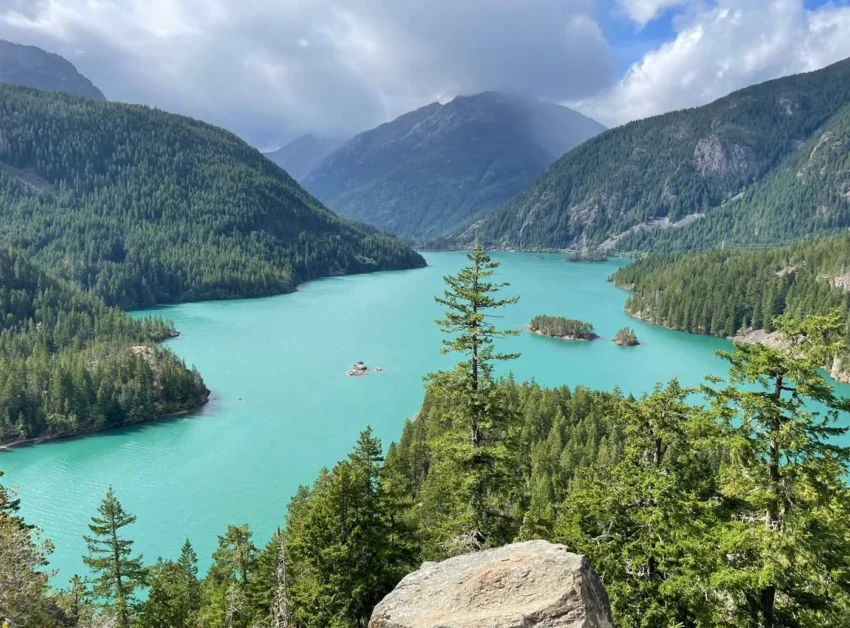
While parks like Yellowstone and Yosemite dominate headlines, many lesser-known U.S. national parks offer equally compelling landscapes with fewer crowds. From remote Alaskan fjords to desert canyons in West Texas, these underrated parks provide scenic depth, accessible trails, and meaningful solitude—making them ideal for travelers seeking natural beauty without peak-season congestion.
Why Look Beyond the Most Visited National Parks?
The United States national park system includes 63 designated national parks and more than 400 total units managed by the National Park Service (NPS). In 2023, the NPS reported more than 325 million recreation visits across the system, with parks such as Great Smoky Mountains National Park receiving over 13 million visitors alone.
High visitation isn’t inherently negative—it reflects widespread appreciation. However, peak crowds can impact parking availability, trail access, wildlife viewing, and overall visitor experience. For travelers who prioritize space, quiet, and flexibility, exploring lesser-known parks can provide comparable scenery with fewer logistical challenges.
The question many Americans are asking is straightforward: Which national parks are less crowded but still worth the trip?
Below are landscapes that consistently deliver on that balance.
1. North Cascades National Park (Washington)
Often overshadowed by nearby Mount Rainier, North Cascades remains one of the least visited national parks in the contiguous United States. Yet it features dramatic alpine peaks, turquoise glacial lakes, and more than 300 glaciers—second only to Alaska.
Travelers who visit during late summer often find trailheads with available parking and extended daylight for hiking. The Cascade Pass Trail provides sweeping mountain views without the permit challenges common in more crowded parks.
Why it’s worth considering:
- Minimal entrance congestion
- Extensive backcountry opportunities
- Cooler summer temperatures
- Excellent photography conditions
2. Guadalupe Mountains National Park (Texas)
Located in West Texas near the New Mexico border, this park protects the highest peak in Texas, Guadalupe Peak. Compared to the visitation levels of Grand Canyon National Park, it feels remote and expansive.
The park’s desert landscape includes fossilized reef formations, rugged ridgelines, and seasonal wildflowers. Fall and spring provide the most comfortable hiking conditions.
Practical tip: Services inside the park are limited, so plan lodging in nearby communities like Carlsbad, New Mexico.
3. Isle Royale National Park (Michigan)
Accessible only by boat or seaplane, Isle Royale sits in Lake Superior and sees a fraction of the traffic of mainland parks. Its isolation creates a rare sense of wilderness in the Midwest.
This park appeals to backpackers and paddlers willing to commit to multi-day itineraries. Wildlife includes moose and wolves, part of one of the longest-running predator-prey studies in North America.
Key considerations:
- Advance ferry reservations required
- Short operating season (typically late spring to early fall)
- Limited cell service
4. Great Basin National Park (Nevada)
Great Basin combines alpine terrain, ancient bristlecone pines, and Lehman Caves—often without significant crowds. Unlike Nevada’s more famous destinations, this park offers quiet stargazing and accessible scenic drives.
Because it sits far from major metropolitan areas, visitation remains modest even in summer.
Highlights include:
- Wheeler Peak Scenic Drive
- Some of the oldest trees on Earth
- Certified dark skies
5. Congaree National Park (South Carolina)
Congaree protects one of the largest intact old-growth bottomland hardwood forests in the Southeast. Boardwalk trails allow visitors to explore floodplain ecosystems without strenuous hiking.
While not mountainous or desert-like, its biodiversity rivals more prominent parks. Spring and fall offer comfortable conditions and fewer insects.
Travelers combining Congaree with a visit to Charleston can balance culture and nature efficiently.
6. Theodore Roosevelt National Park (North Dakota)
Named after the 26th U.S. president, this park preserves badlands terrain, roaming bison, and prairie ecosystems. It sees far fewer visitors than parks in Utah or Arizona with similar geological formations.
The scenic loop drive allows travelers to experience wildlife without extensive hiking, making it accessible for families or older visitors.
Best seasons:
- Late spring for wildflowers
- Early fall for cooler temperatures
7. Dry Tortugas National Park (Florida)
Located 70 miles west of Key West, Dry Tortugas combines turquoise waters, coral reefs, and historic Fort Jefferson. Because access requires ferry or seaplane transportation, daily visitor numbers remain controlled.
Snorkeling, birdwatching, and camping are primary draws. Weather conditions can affect ferry schedules, so flexibility is important.
What Makes a Park “Underrated”?
Underrated does not mean underdeveloped. Most national parks maintain visitor centers, ranger programs, and established trail systems. Instead, these parks typically share one or more of the following traits:
- Remote geographic location
- Limited airport proximity
- Seasonal accessibility
- Fewer high-profile social media landmarks
According to the National Park Service, visitation often clusters around easily accessible parks near major cities. Exploring parks outside those corridors naturally reduces crowd exposure.
How to Choose the Right Lesser-Known Park
When planning, consider:
Travel Logistics
How far is the nearest airport? Are rental cars available?
Seasonal Weather
Desert parks are best in cooler months. Northern parks may close roads in winter.
Trail Difficulty
Research elevation gain and terrain type.
Permits and Reservations
Even less-visited parks may require camping permits.
Amenities
Some parks lack lodging, fuel stations, or restaurants.
Frequently Asked Questions
1. Which U.S. national park is the least crowded?
Parks such as North Cascades and Isle Royale consistently report lower visitation numbers compared to top-tier parks.
2. Are underrated parks harder to access?
Often yes, due to distance from major airports or highways.
3. Do lesser-known parks have fewer facilities?
Some do offer fewer services, so advance planning is important.
4. Is wildlife viewing better in less crowded parks?
It can be, as animals may be less habituated to large crowds.
5. Are these parks safe for solo travelers?
Yes, provided visitors follow standard safety guidelines and inform others of plans.
6. When is the best time to visit less crowded parks?
Shoulder seasons (spring and fall) generally offer fewer visitors and moderate weather.
7. Do I need reservations?
Camping often requires advance reservations, even in quieter parks.
8. Can families visit these parks comfortably?
Many offer scenic drives and short trails suitable for children.
9. Are national park passes valid at all parks?
Yes, the America the Beautiful pass applies system-wide.
10. How can I check real-time crowd levels?
The NPS website provides visitation data and alerts.
Practical Planning Advice for This Year
With continued strong domestic travel demand, early trip planning remains wise. Monitor official park websites for seasonal road closures and campground openings. If flights are required, consider mid-week departures to reduce airfare variability.
Combining a lesser-known national park with nearby state parks or regional attractions can also maximize travel value. For example, pairing Theodore Roosevelt National Park with local North Dakota heritage sites creates a well-rounded itinerary without major crowd exposure.
Above all, flexibility remains your greatest asset. Weather shifts, wildlife movements, and road conditions can alter plans—particularly in remote landscapes.
Rediscovering Scale and Solitude in America’s Public Lands
The national park system was designed to preserve extraordinary landscapes for public enjoyment. That promise extends beyond the most photographed landmarks.
Choosing a lesser-known park does not mean sacrificing grandeur. It often means experiencing it more personally—hearing wind through alpine trees, watching bison cross open plains, or hiking desert trails without constant foot traffic.
In a travel environment where popular destinations often require reservations months in advance, these landscapes provide an alternative path: quieter, equally compelling, and deeply rooted in conservation history.
Before You Map Your Route
- Research seasonal accessibility
- Reserve lodging early in remote regions
- Prepare for limited cell service
- Carry sufficient water in desert parks
- Check official NPS alerts
- Respect Leave No Trace principles
- Monitor wildlife safety guidance
- Consider shoulder season visits
- Factor in driving distances
- Review park-specific regulations