

Summary
Social media has become a powerful lens into how Americans allocate time, focus, and emotional energy. This article examines what everyday digital behaviors reveal about modern priorities, attention economics, and lifestyle trade-offs—drawing on research, real-world examples, and practical insights to help readers better understand and manage their online lives.
The Quiet Role Social Media Plays in Daily Life
For many Americans, social media no longer feels like a separate activity. It blends into mornings, commutes, work breaks, evenings, and even moments meant for rest. According to the Pew Research Center, roughly seven in ten U.S. adults use at least one social media platform, with usage cutting across age, income, and geography. What’s striking is not just how many people use social media—but how seamlessly it fits into the rhythms of everyday life.
Checking a feed while waiting for coffee or responding to messages late at night may feel inconsequential. Yet, over time, these moments add up. Social platforms reveal patterns about what captures attention, when energy peaks or drops, and how people choose to fill small gaps in their day. These patterns offer insight into broader lifestyle choices, whether intentional or not.
Time: Where the Minutes Actually Go
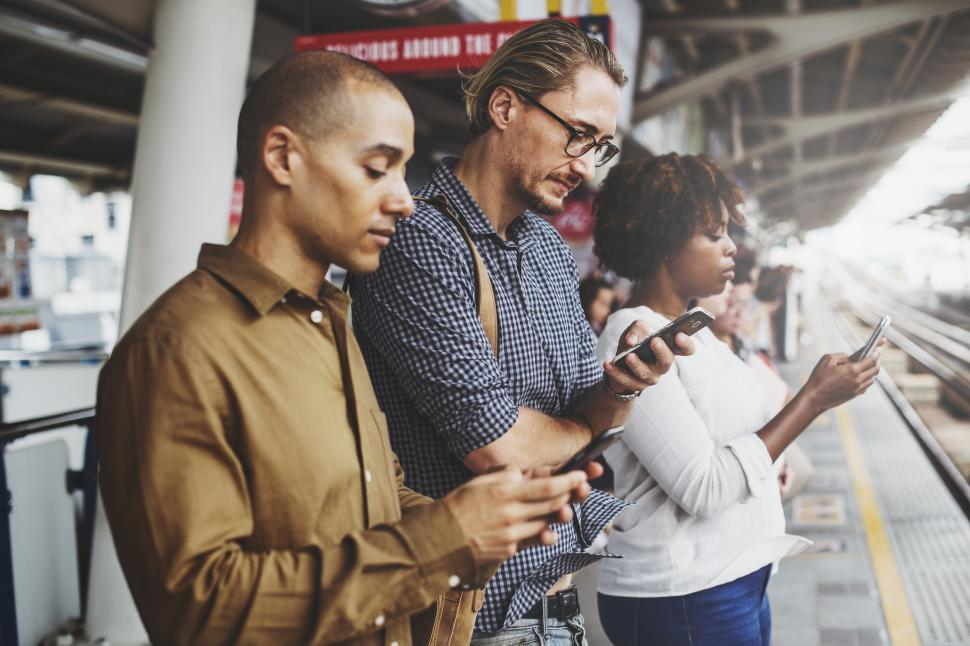
Time spent on social media is rarely experienced as a single block. Instead, it appears in fragments—five minutes here, ten minutes there. Research from data analytics firms like DataReportal estimates that the average American spends over two hours per day on social platforms. That figure doesn’t account for how fragmented the experience feels, which can make it harder to recognize cumulative impact.
Social media reveals how people:
- Fill transitional moments between tasks
- Avoid boredom or mental fatigue
- Replace idle time once used for reading, reflection, or conversation
A parent scrolling during a child’s soccer practice or a professional checking LinkedIn between meetings isn’t necessarily wasting time. Often, they are seeking connection, information, or mental relief. But the frequency of these micro-engagements shows how digital platforms have become default companions during downtime.
Over months and years, these habits quietly reshape how free time is distributed—often without conscious planning.
Attention: The Most Contested Resource
Unlike time, attention is finite and fragile. Social media platforms are engineered around capturing and retaining it. Infinite scrolls, notifications, and algorithmic recommendations aren’t inherently harmful, but they do influence how attention is directed and sustained.
Studies from institutions like Harvard Medical School have shown that frequent task-switching—common during social media use—can reduce focus and increase cognitive fatigue. This doesn’t mean social media causes attention problems on its own, but it highlights how digital environments reward rapid shifts rather than deep concentration.
Social media use often reveals:
- Preference for short-form content over long reading
- Increased sensitivity to novelty and updates
- Difficulty sustaining focus without stimulation
For example, many users report instinctively checking their phones during moments of silence, even without notifications. This behavior suggests that attention is being trained to expect constant input, which can influence how people approach work, learning, and relationships offline.

Energy: Emotional and Mental Investment Online
Beyond time and attention, social media demands emotional energy. Engaging with content, responding to messages, and interpreting social cues all require cognitive effort. While positive interactions can be energizing, others can quietly drain emotional reserves.
Consider common experiences:
- Feeling pressure to respond promptly
- Comparing personal milestones to curated highlights
- Absorbing news or social debates during leisure time
Research published in journals like Computers in Human Behavior suggests that emotional exhaustion can increase when users feel obligated to maintain an online presence. This is particularly true when personal identity, professional reputation, or social belonging feels tied to digital engagement.
Social media reveals not only what people care about—but what they feel responsible for carrying emotionally.
What Posting Habits Say About Priorities
The content people share often reflects what they value, aspire to, or want acknowledged. While posts are curated, patterns still emerge. Frequent sharing about fitness, travel, or career achievements can indicate where individuals invest energy and identity. Silence around other areas may suggest boundaries—or simply a preference for privacy.
Posting habits often reveal:
- Desire for recognition or affirmation
- Need for connection during transitions or challenges
- Alignment with communities or causes
For example, increased posting during major life changes—new jobs, relocations, parenthood—often signals a search for connection or validation during periods of adjustment. Social media becomes both a mirror and a buffer during moments of change.
Passive Scrolling vs. Active Engagement
Not all social media use is equal. Researchers distinguish between passive consumption (scrolling, watching) and active participation (commenting, messaging, creating content). Each has different implications for how time and energy are spent.
Passive use may feel relaxing but can lead to mental fatigue when prolonged. Active engagement, while more demanding, often provides stronger social connection. Many Americans shift between these modes without realizing how each affects mood and energy.
Common patterns include:
- Passive scrolling late at night, when energy is low
- Active posting during daytime or emotionally significant moments
- Messaging replacing phone calls or in-person check-ins
Recognizing these patterns helps explain why some social media sessions feel refreshing while others feel draining.
Work, Productivity, and Blurred Boundaries
Social media has become intertwined with professional life. Platforms like LinkedIn, Slack-integrated communities, and even Instagram now play roles in networking, branding, and career development. This integration blurs boundaries between personal and professional time.
Surveys from the American Psychological Association indicate that constant connectivity can increase stress when work-related interactions spill into personal hours. Social media reveals how often work identity extends beyond the office—and how difficult it can be to fully disengage.
At the same time, many professionals benefit from flexible networking and learning opportunities. The key insight is not whether social media belongs in work life, but how intentionally it is used.
What Social Media Reveals About Values and Culture
On a broader level, social media reflects collective values. Trending topics, viral movements, and shared concerns show where public attention converges. Whether it’s wellness, social justice, or financial literacy, the themes dominating feeds offer clues about what Americans are prioritizing at a cultural level.
However, algorithms amplify certain voices and topics, which can distort perception. What appears dominant online may not reflect majority opinion, but rather engagement-driven visibility. Understanding this distinction is essential when interpreting what social media seems to “say” about society.
Making Sense of the Signals
Social media does not dictate how people spend their time, attention, or energy—but it makes those choices visible. The platforms function like behavioral dashboards, reflecting habits back to users in subtle ways. Awareness, rather than avoidance, is often the most practical response.
Small adjustments—such as setting boundaries, choosing when to engage, or reflecting on emotional responses—can help align online behavior with offline priorities.
Frequently Asked Questions
1. Does social media really affect how Americans spend their time?
Yes. Studies consistently show that social media occupies a measurable portion of daily discretionary time, often in short, repeated sessions.
2. Is all social media use equally draining?
No. Active, purposeful use tends to feel more satisfying than passive, prolonged scrolling.
3. How does social media impact attention span?
Frequent exposure to rapid content shifts can make sustained focus more challenging, especially without intentional breaks.
4. Can social media use be emotionally healthy?
Yes, when it supports connection, learning, or creativity without creating pressure or comparison.
5. Why does scrolling sometimes feel automatic?
Habit loops and design features encourage repeat engagement, especially during low-energy moments.
6. Does social media replace real relationships?
It can supplement relationships but rarely replaces the depth of consistent offline interaction.
7. How much social media use is considered “normal”?
There is no universal standard; what matters is whether use aligns with personal values and well-being.
8. Are younger users affected differently than older adults?
Usage patterns differ, but attention and energy trade-offs appear across age groups.
9. Can reducing social media improve focus?
Many people report improved concentration after setting limits, though results vary by individual.
Understanding the Digital Footprint We Leave Behind
Social media quietly documents how Americans navigate modern life—what they notice, respond to, and invest in emotionally. It doesn’t just show where time goes; it reflects what feels urgent, meaningful, or comforting. Interpreting these signals with intention allows individuals to use social platforms as tools rather than defaults.
Key Signals Worth Paying Attention To
- How often social media fills moments of rest
- Which content consistently captures emotional energy
- When engagement feels intentional versus habitual