
Summary
American wardrobes are undergoing a quiet transformation. Clothing choices today are less about trends and more about daily function, personal values, and real life. This article explores how lifestyle shifts, work changes, sustainability concerns, and economic realities are reshaping what Americans buy, wear, and keep.
A Subtle Shift With Big Meaning
For decades, American fashion followed a familiar rhythm: seasonal trends, aspirational looks, and a steady churn of buying and discarding. That rhythm is breaking. Across income levels, age groups, and regions, Americans are rethinking what belongs in their closets—and why.
The new American wardrobe isn’t driven by runway moments or influencer hauls. It’s shaped by work-from-home routines, rising costs of living, climate awareness, health priorities, and a desire for simplicity. Clothes are being asked to do more: last longer, adapt better, and align more closely with how people actually live.
This change isn’t loud or flashy. It’s practical. And it’s deeply human.
Why Americans Are Dressing Differently Now
Several converging forces explain why wardrobes across the U.S. are becoming more intentional.
Remote and hybrid work permanently altered daily dress codes. According to data from the U.S. Bureau of Labor Statistics, over one-third of U.S. workers now have some form of remote flexibility. When commutes disappear, rigid office attire loses relevance.
Economic pressure also plays a role. Apparel prices have risen alongside rent, food, and healthcare costs. Consumers are prioritizing durability and versatility over novelty. A $120 jacket worn three times a week feels more rational than five $40 trend pieces worn once.
There’s also an emotional component. After years of uncertainty—from a pandemic to economic volatility—many Americans want clothing that feels dependable. Familiar silhouettes, neutral palettes, and comfortable fabrics offer a sense of control and ease.
From “Outfit” Thinking to “Use-Case” Thinking
One of the most important changes is how people evaluate clothing purchases.
Instead of asking, “Is this fashionable?” shoppers are asking:
- Can I wear this in multiple settings?
- Does it work across seasons?
- Will it still make sense in three years?
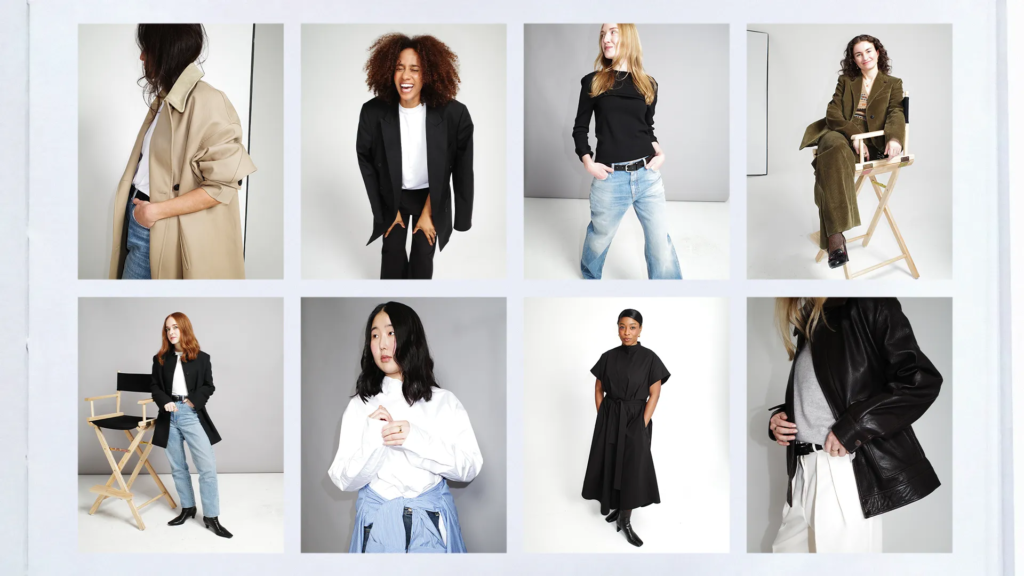
This use-case mindset explains the popularity of items like stretch chinos, structured knit blazers, and clean leather sneakers. These pieces move easily between home, errands, casual meetings, and travel.
For example, a mid-career professional in Denver might own fewer clothes than a decade ago—but each item works harder. A single merino sweater might cover video calls, weekend outings, and flights. The goal isn’t minimalism for its own sake, but reduced friction in daily life.
Comfort Is No Longer a Compromise
Comfort used to be something you sacrificed for looking “put together.” That tradeoff is disappearing.
Fabric innovation has helped. Stretch weaves, temperature-regulating fibers, and softer finishes allow garments to look polished without feeling restrictive. Brands have quietly redesigned classics—jeans, button-downs, trousers—so they flex, breathe, and move.
Culturally, expectations have changed too. Showing up in comfortable clothing no longer signals laziness. It signals practicality. In many workplaces, clean sneakers and knit blazers are not just accepted—they’re standard.
This is especially true for parents, caregivers, and older adults who need clothes that accommodate long days and physical movement without sacrificing dignity or professionalism.
Sustainability: Practical, Not Performative
American consumers talk about sustainability differently than European markets. It’s less about ideology and more about common sense.
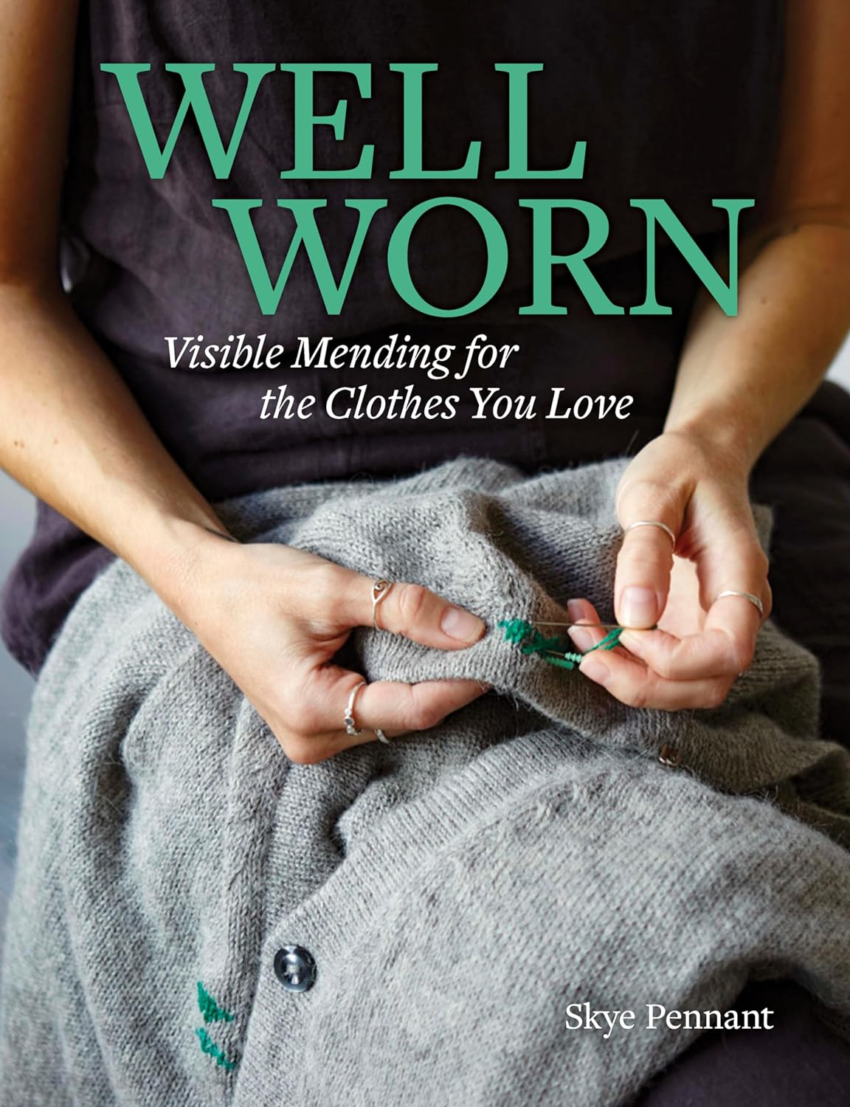
Many shoppers aren’t trying to build a perfectly “ethical” wardrobe. They’re simply buying fewer items, keeping them longer, and avoiding obvious waste. Thrift shopping, resale platforms, and clothing repair services are growing because they make economic sense.
Research from McKinsey & Company shows that durability and quality now outrank trendiness for a majority of U.S. apparel buyers. That shift favors timeless cuts and neutral colors over seasonal experimentation.
Sustainability, in this context, is about reducing regret. Clothes that still look right after 50 wears feel responsible—even if they weren’t marketed as eco-friendly.
Regional Lifestyles Are Shaping Wardrobes Again
Global fashion flattened regional style for years. That’s changing.
Climate, transportation, and daily routines are influencing wardrobes more visibly:
- In the Pacific Northwest, weather-resistant layers dominate
- In the Sun Belt, breathable fabrics and sun protection matter more
- In dense urban areas, walkability favors flexible footwear
This return to regional practicality mirrors how Americans actually move through their environments. The same jacket doesn’t make sense in Phoenix and Minneapolis—and people are embracing that reality instead of fighting it.
Fewer Pieces, Clearer Identity
Owning less clothing has an unexpected side effect: clearer personal style.
When wardrobes shrink, choices become more intentional. People notice which colors they actually wear, which cuts feel right, and which items consistently get skipped. Over time, this creates a personal uniform—not rigid, but recognizable.
This doesn’t mean everyone dresses the same. It means individuality comes from fit, texture, and consistency rather than trend adoption. A teacher in Ohio and a startup founder in California might both rely on simple, repeatable outfits—but express themselves differently within that framework.
How Retail Is Quietly Responding
Retailers aren’t advertising this shift loudly, but their inventories tell the story.
There’s more emphasis on:
- Year-round collections instead of seasonal drops
- Neutral colorways that restock easily
- Core items that anchor wardrobes
Return policies, fabric transparency, and fit guidance are also improving. Consumers expect fewer mistakes—and brands that help shoppers buy right the first time earn trust.
Direct-to-consumer brands, in particular, are building loyalty by solving specific life problems rather than selling fashion fantasies.
What This Means for Getting Dressed Each Morning
The new American wardrobe reduces decision fatigue. When most pieces work together, mornings become simpler. Clothing stops being a source of stress and starts supporting the rest of life.
Parents can move from school drop-off to meetings without changing. Travelers pack lighter. Professionals feel presentable without overthinking. This quiet efficiency is the real value behind the shift.
Fashion hasn’t disappeared—it’s just been reframed as a tool, not a performance.
Frequently Asked Questions
1. Is minimalism the same as the new American wardrobe?
Not exactly. Minimalism focuses on reducing quantity; the new wardrobe focuses on usefulness and longevity.
2. Are trends completely irrelevant now?
No, but they play a smaller role. Trends influence details rather than dictating full wardrobes.
3. Does this apply to younger Americans too?
Yes. Gen Z and millennials are especially focused on value, resale potential, and comfort.
4. How many clothes does the average American really need?
There’s no number. The goal is owning enough to cover your real activities comfortably.
5. Are sustainable brands always better choices?
Not necessarily. Durability and actual wear frequency matter more than labels.
6. Is dressing more practically less professional?
In most industries, practicality now aligns with professionalism.
7. How can someone start simplifying their wardrobe?
By tracking what they actually wear for 30 days and removing unused items.
8. Does this mean fashion creativity is gone?
No. Creativity has shifted toward styling, layering, and personal consistency.
9. Are Americans buying fewer clothes overall?
Yes, though they often spend more per item.
A Wardrobe That Serves, Not Demands
The most striking thing about the new American wardrobe isn’t how it looks—it’s how little attention it asks for. Clothes are no longer the main character. Life is.
This shift reflects maturity, not boredom. It suggests a culture more interested in function, well-being, and self-knowledge than constant reinvention. In that sense, the modern American closet isn’t smaller. It’s smarter.
What Quietly Matters Most Now
- Clothes that adapt to multiple parts of the day
- Fabrics and fits that support movement and comfort
- Purchases made with long-term use in mind
- Personal consistency over public approval