
Summary
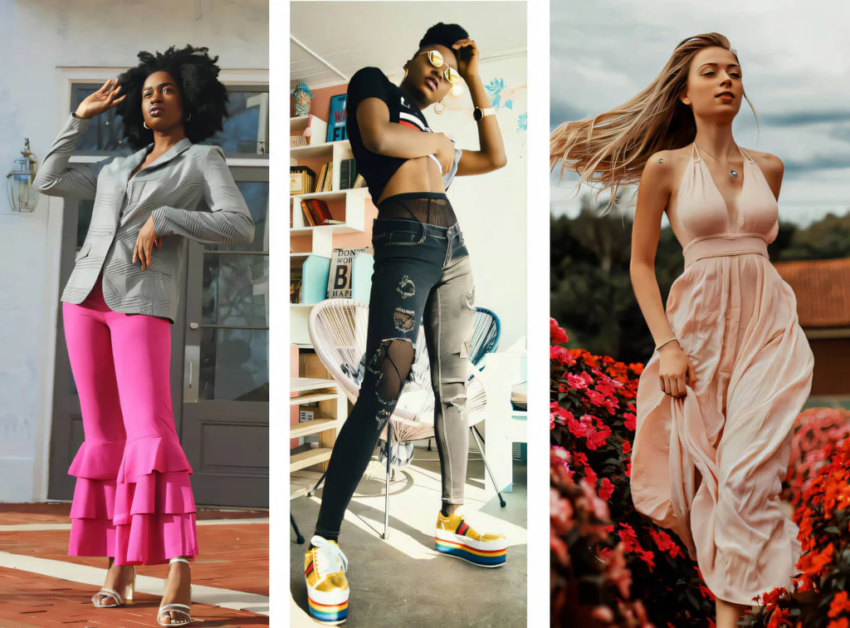
Dressing with intention reflects a growing shift in American style toward thoughtful, purpose-driven clothing choices. This article explores why consumers are prioritizing fit, longevity, and personal values over trends, how intentional dressing works in daily life, and what it means for wardrobes, budgets, sustainability, and self-expression in modern America.
For decades, American fashion was shaped by speed, novelty, and seasonal reinvention. Trends moved quickly, closets filled faster, and clothing often became disposable. Today, a quieter shift is underway. More Americans are dressing with intention—choosing clothing thoughtfully, aligning purchases with personal values, and building wardrobes that serve real lives rather than fleeting aesthetics.
This change isn’t driven by a single movement or generation. It’s emerging from economic pressure, lifestyle changes, environmental awareness, and a deeper desire for authenticity. Dressing with intention doesn’t mean dressing minimally or expensively. It means dressing deliberately.
What Does “Dressing With Intention” Actually Mean?
At its core, dressing with intention is about making conscious choices before buying, wearing, or discarding clothing. It asks simple but meaningful questions: Why am I choosing this? How will I use it? Does it fit my life, not just my taste?
Intentional dressing emphasizes:
- Purpose over impulse
- Function alongside aesthetics
- Longevity instead of novelty
This approach contrasts sharply with trend-driven consumption, where clothing is often purchased for a moment, a photo, or a perceived identity rather than actual daily use.
In practical terms, someone dressing with intention might invest in fewer, better-fitting garments, repeat outfits confidently, or tailor clothing rather than replace it. The goal isn’t perfection—it’s alignment.
Why American Style Is Shifting Now
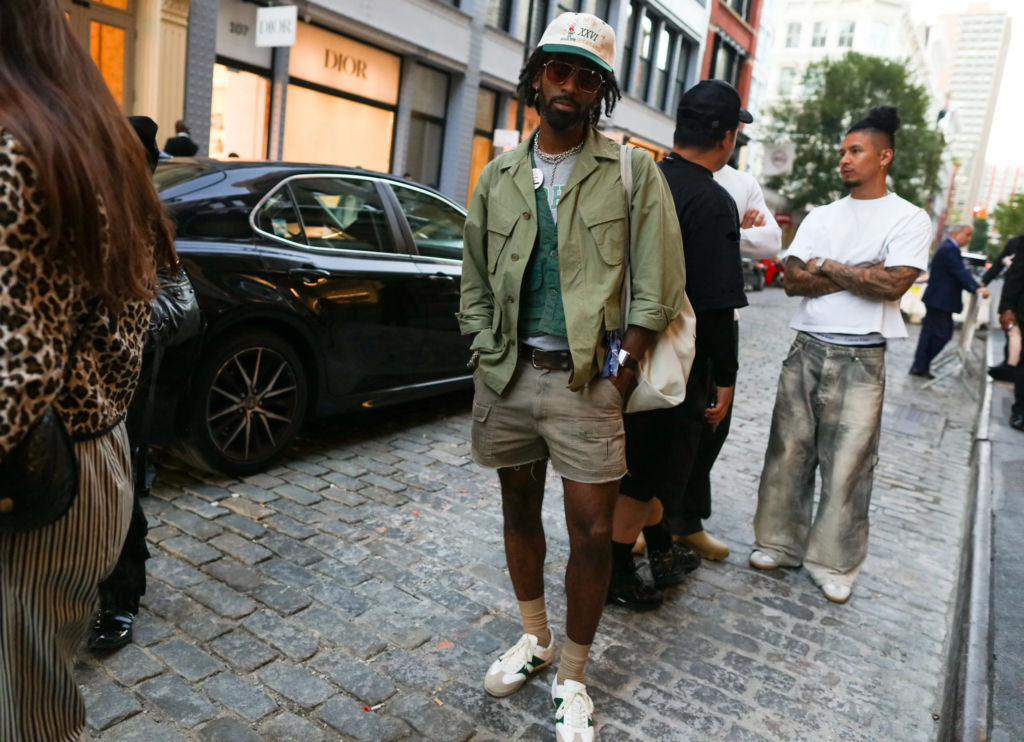
Several overlapping forces are driving this change in the U.S., and together they’ve reshaped how people think about clothing.
Economic reality plays a major role. Inflation, housing costs, and student debt have made discretionary spending more deliberate. According to the U.S. Bureau of Labor Statistics, apparel spending as a percentage of household budgets has declined steadily over the past two decades. When money feels tighter, people expect more from what they buy.
Work culture has also transformed. Remote and hybrid work reduced the need for large, highly specialized wardrobes. Instead of separate “office,” “weekend,” and “event” clothing, Americans are favoring versatile pieces that transition easily between settings.
There’s also a growing awareness of fashion’s environmental impact. The EPA estimates that over 11 million tons of textile waste are sent to U.S. landfills annually. While not everyone shops sustainably, many are questioning overconsumption and looking for ways to reduce waste without sacrificing personal style.
Finally, social media fatigue has set in. After years of curated aesthetics and fast-moving microtrends, many consumers are opting out of constant reinvention in favor of consistency and self-knowledge.
The Difference Between Intentional Style and Minimalism
Intentional dressing is often confused with minimalism, but the two aren’t the same. Minimalism focuses on reducing quantity. Intentional style focuses on increasing meaning.
An intentional wardrobe can be colorful, expressive, or trend-aware. What matters is that each piece earns its place. Someone might own 15 items or 150; intention is about clarity, not restraint.
For example, a creative professional in New York may intentionally collect bold jackets that define their look, while a parent in the Midwest may prioritize durable, washable clothing that supports an active lifestyle. Both are practicing intentional dressing, even though their wardrobes look very different.
How Intentional Dressing Shows Up in Daily Life
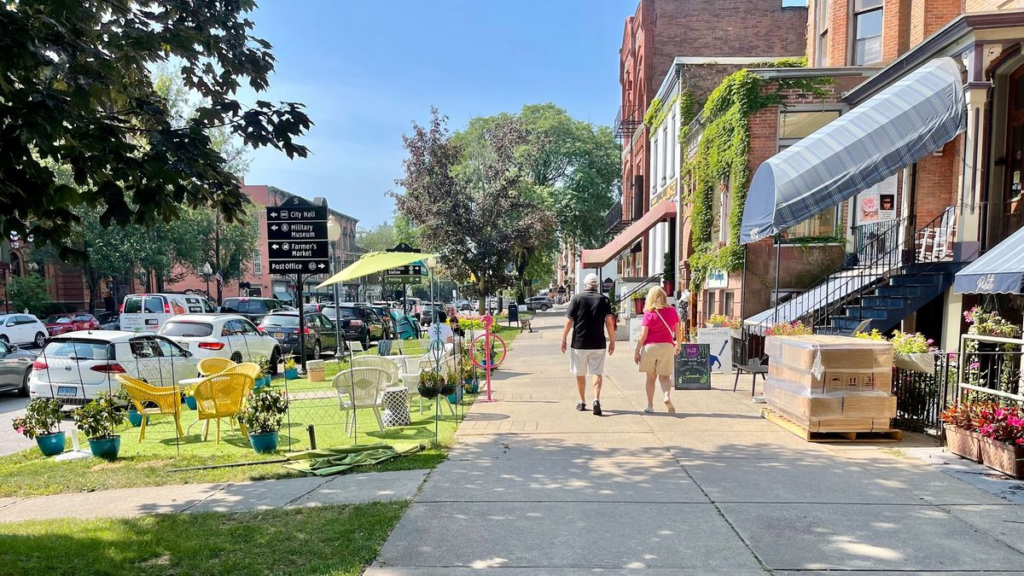
This shift isn’t theoretical—it’s practical and visible in everyday decisions.
People are spending more time evaluating fit, fabric, and versatility before purchasing. Instead of asking “Do I like this?” they ask “Will I actually wear this?”
Intentional dressers often:
- Repeat outfits without concern
- Repair or tailor clothing rather than replacing it
- Shop secondhand or resale for specific needs
- Build around a consistent color palette
Consider someone replacing five low-quality sweaters with two well-made ones that layer easily. The upfront cost may be higher, but the wear-per-use is lower, and the decision fatigue disappears.
Another example is occasion-based dressing. Instead of buying a new outfit for every event, intentional dressers choose adaptable pieces—like a well-cut blazer or dress—that can be styled differently depending on context.
Fit, Comfort, and Function Take Priority
One of the clearest signals of intentional dressing is the renewed focus on fit and comfort. Americans are rejecting the idea that discomfort is the price of looking “put together.”
This doesn’t mean abandoning structure or polish. It means choosing clothing that supports movement, climate, and daily routines. Stretch fabrics, breathable materials, and thoughtful tailoring are increasingly valued across demographics.
Function is also cultural. Clothing that works for walking cities, long commutes, caregiving responsibilities, or travel-heavy jobs has more staying power than items designed only for appearance.
In this way, intentional style respects the body as it is, not as fashion dictates it should be.
The Role of Personal Values in Clothing Choices
For many Americans, intentional dressing is closely tied to values—even when those values differ.
Some prioritize sustainability, seeking brands with transparent supply chains. Others focus on supporting domestic manufacturing or minority-owned businesses. Some value durability, while others care most about versatility or comfort.
What unites these approaches is alignment. Clothing becomes an extension of priorities rather than a contradiction to them.
Importantly, intentional dressing doesn’t require moral perfection. It allows for trade-offs. Someone may buy fast fashion occasionally while reducing overall consumption. Another may invest selectively in ethical brands. The intention lies in awareness, not purity.
Answering Common Questions Americans Ask About Intentional Style
Is dressing with intention more expensive?
Not necessarily. While individual items may cost more, fewer purchases and longer wear often reduce total spending over time.
Do I need to get rid of most of my clothes?
No. Intentional dressing often starts with using what you already own more effectively.
Can I still follow trends?
Yes, if trends genuinely fit your lifestyle and aren’t driving impulsive purchases.
How do I know what’s worth keeping?
Ask whether an item fits well, feels good, and supports your daily life.
Does intentional dressing mean dressing “boring”?
Not at all. It can be expressive, creative, and personal—just more considered.
Is this the same as capsule wardrobes?
Capsule wardrobes are one tool, but intentional dressing is a broader mindset.
How long does it take to build an intentional wardrobe?
It’s gradual. Most people refine their wardrobes over months or years.
Does this approach work for changing bodies or lifestyles?
Yes. Intentional dressing adapts as life changes; it doesn’t lock you into rules.
What’s the first step to dressing with intention?
Pause before buying. Clarify your needs, not just your wants.
How Brands Are Responding to the Shift
American retailers are adapting, though unevenly. Some brands emphasize durability, repair programs, or timeless design. Others offer resale platforms or focus marketing on cost-per-wear rather than constant newness.
However, consumers are increasingly skeptical of surface-level messaging. Authenticity matters. Brands that genuinely support intentional use—through quality construction, transparent pricing, or realistic styling—tend to earn more trust than those chasing trends with “conscious” labels.
Intentional Dressing as a Long-Term Cultural Change
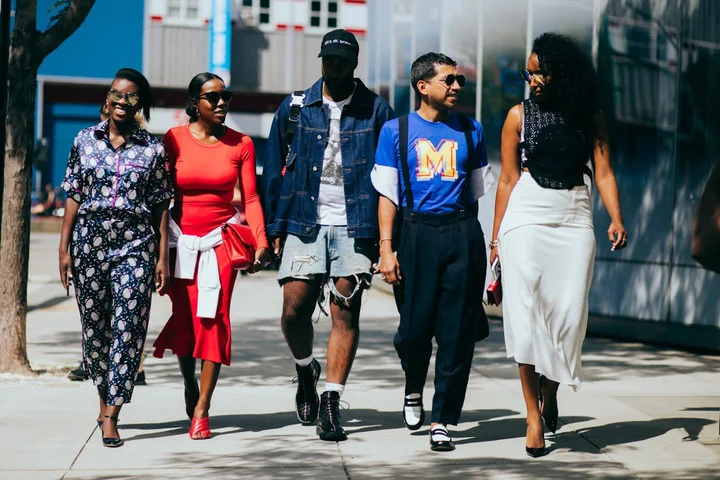
This shift in American style isn’t loud or uniform. It doesn’t announce itself with a single aesthetic or movement. Instead, it shows up quietly—in repeated outfits, smaller closets, thoughtful purchases, and clothing that looks lived-in rather than performative.
Dressing with intention reflects a broader cultural maturity. It acknowledges that style isn’t about constant reinvention, but about understanding oneself and dressing accordingly.
When Clothing Choices Start Working With You
Intentional dressing changes the relationship between people and their clothes. Instead of chasing an image, clothing becomes a tool—supporting comfort, confidence, and daily function. Over time, this approach reduces waste, saves money, and simplifies decision-making. Most importantly, it allows personal style to feel grounded, authentic, and sustainable.
A Few Quiet Truths to Carry Forward
- Thoughtful wardrobes outperform large ones
- Fit and function outlast trends
- Repeating outfits is a strength, not a flaw
- Clothing should support life, not compete with it