
Summary
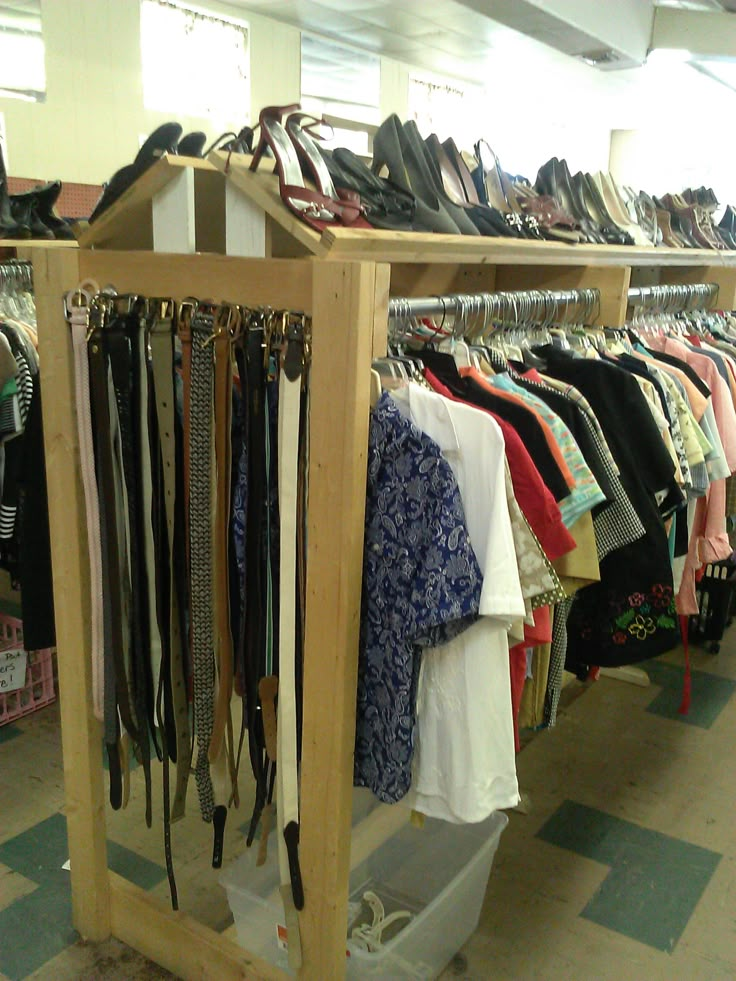
American style is shifting away from fast-moving trends toward more intentional, practical clothing choices. Driven by changing work habits, economic pressures, sustainability concerns, and a desire for personal expression, consumers are prioritizing versatility, comfort, and longevity—rethinking not just what they wear, but why they wear it.
A Quiet Shift in the American Closet
For decades, fashion in the United States followed a familiar rhythm: seasonal trends, rapid turnover, and an unspoken pressure to keep up. Lately, that rhythm has slowed. Many Americans are no longer asking what’s “in,” but what actually works for their lives.
This shift didn’t arrive overnight. It emerged gradually through lifestyle changes—remote work, economic uncertainty, growing awareness of environmental impact, and a broader cultural reassessment of consumption. Clothing, once a quick way to signal relevance, is increasingly viewed as a long-term tool: something to support daily routines, not distract from them.
What’s changing isn’t style itself, but the role it plays. Fashion is becoming quieter, more personal, and more functional.

Why Trend-Chasing Is Losing Its Grip
The decline of trend-chasing isn’t about rejecting fashion. It’s about recalibrating priorities.
Many Americans now recognize the hidden costs of constantly buying into new looks. Financially, frequent wardrobe updates add up quickly. According to consumer spending data from the U.S. Bureau of Labor Statistics, apparel purchases remain a significant discretionary expense—one many households are rethinking amid inflation and rising living costs.
There’s also fatigue. Social media accelerated trend cycles to a point where styles can feel outdated in weeks. What once felt exciting now feels exhausting. Instead of inspiration, many people report decision overload—too many choices, too little payoff.
Environmental awareness plays a role as well. Reports from organizations like the Environmental Protection Agency have highlighted the growing volume of textile waste in the U.S., prompting consumers to question whether short-lived clothing is worth the long-term impact.
The Influence of How—and Where—Americans Work
Few factors have reshaped American wardrobes more than the evolution of work.
Hybrid and remote jobs blurred the lines between professional and personal attire. Dressing strictly “for the office” no longer makes sense for millions of workers. Instead, people are building wardrobes that adapt across settings—clothes that look appropriate on video calls, feel comfortable at home, and still work for errands or casual meetings.
This doesn’t mean Americans stopped caring about appearance. Rather, they started valuing versatility:
- Clothing that transitions easily from work to personal time
- Fabrics that balance comfort with structure
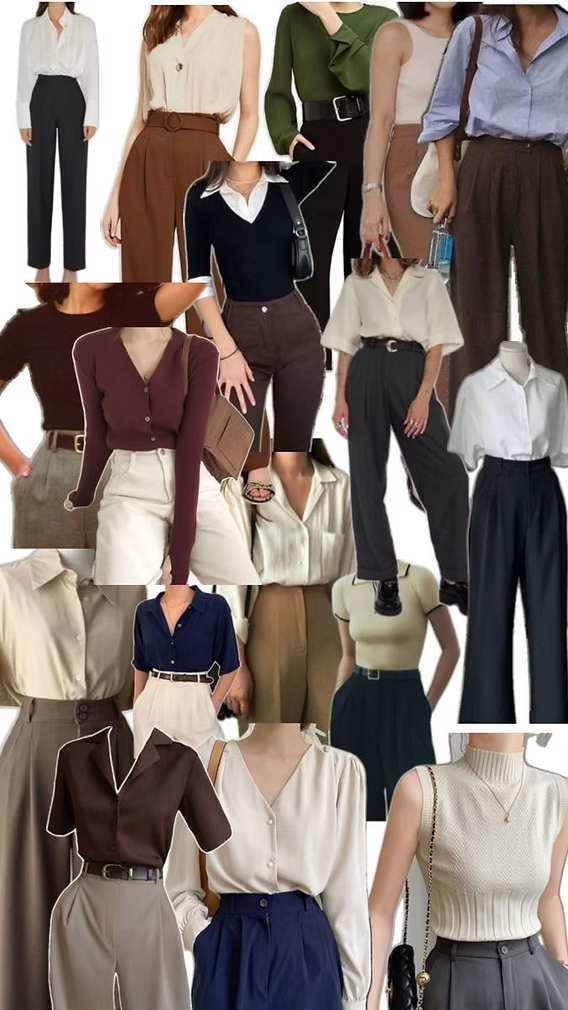
- Neutral palettes that mix and match without effort
As a result, the focus shifted from novelty to reliability.
From Statement Pieces to Everyday Dependability
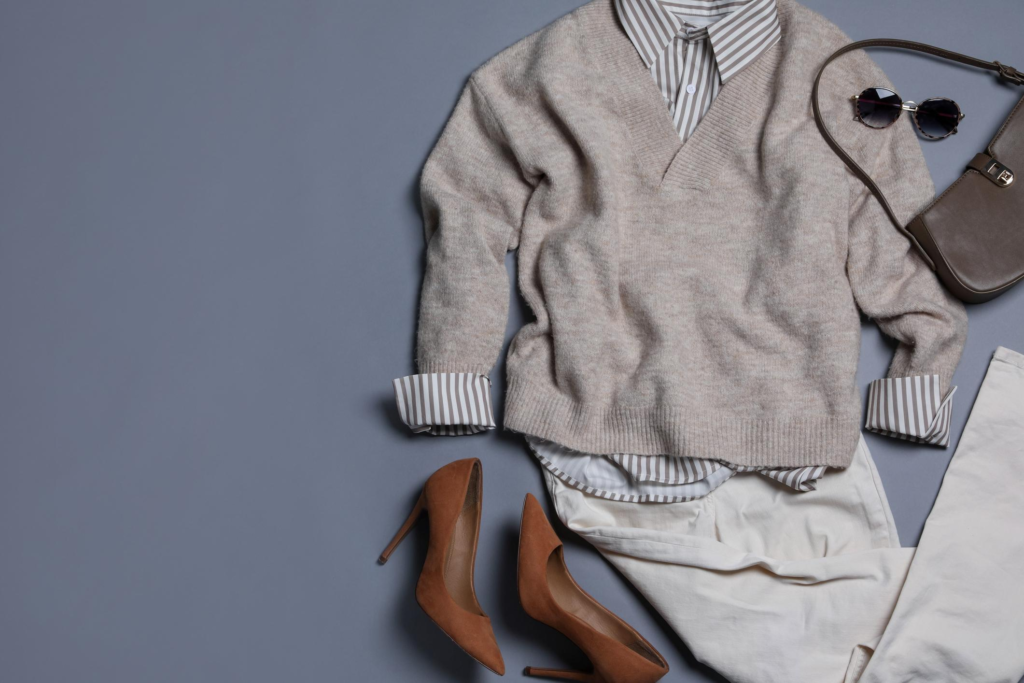
Trend-driven fashion often centers on standout items—a bold jacket, a must-have shoe, a color that defines a season. Today’s wardrobes are more likely to be anchored by dependable basics.
This doesn’t mean boring or generic. It means intentional. Americans are investing more thought into how pieces fit together over time. A well-made pair of jeans or a versatile blazer now carries more value than a fleeting statement piece.
Experience-based shopping reflects this change. Consumers increasingly ask practical questions before buying:
- Will this still work next year?
- Can I wear it in multiple situations?
- Does it align with how I actually live?
These questions signal a deeper relationship with clothing—one based on use rather than appearance alone.
The Rise of Personal Style Over Public Approval
One of the most notable changes is psychological. Americans are becoming less concerned with dressing for external validation and more interested in dressing for themselves.
Social media once amplified uniform trends. Now it also exposes their sameness. Many users report a desire to stand out quietly, favoring authenticity over algorithm-driven popularity.
Personal style today is less about labels and more about alignment—clothes that feel right for one’s body, schedule, values, and identity. This has led to greater experimentation within smaller wardrobes and more confidence in repeating outfits.
The unspoken rule that wearing the same outfit twice is a faux pas is fading. In its place is a growing acceptance that consistency can be a form of style.
Sustainability as a Practical Consideration, Not a Slogan
Sustainability is often discussed in moral terms, but for many Americans, it’s becoming a practical issue.
Buying fewer, better-made items reduces clutter, saves money, and simplifies daily decisions. Consumers don’t necessarily label this as “sustainable fashion,” but the behavior aligns with it.
Thrifting, resale platforms, and clothing swaps are increasingly normalized, especially among younger adults. At the same time, older consumers are rediscovering the value of tailoring, repair, and maintenance—extending the life of garments they already own.
The result is a more circular approach to clothing, driven less by ideology and more by common sense.
How Brands Are Responding—and Where They’re Falling Short
Brands have taken notice. Many now emphasize durability, timeless design, and “investment pieces” in their messaging. Some deliver on that promise. Others simply rebrand trend-driven products with new language.
American consumers are becoming more discerning. Marketing claims are increasingly scrutinized against real-world performance. A higher price tag alone no longer signals quality.
What resonates most are brands that:
- Offer transparent information about materials and construction
- Design clothing meant to last beyond a single season
- Show how items fit into real, everyday lives
Trust, once broken, is hard to rebuild. As a result, loyalty is shifting toward companies that consistently meet expectations.
Building a Wardrobe Without Chasing Trends
For individuals, moving away from trend-chasing doesn’t require abandoning fashion. It requires redefining its purpose.
Many Americans are adopting simple strategies:
- Taking inventory before buying something new
- Identifying a small set of colors and silhouettes that work well
- Prioritizing fit and comfort over novelty
- Allowing style preferences to evolve naturally
These practices reduce impulse purchases and increase satisfaction with what’s already owned. Over time, they lead to wardrobes that feel cohesive rather than reactive.
What This Shift Says About American Culture
Clothing reflects broader values. The move away from trend-chasing mirrors a cultural turn toward intentional living—less emphasis on constant consumption, more focus on meaningful use.
In a society often defined by speed and excess, this quieter approach to style suggests a desire for balance. Americans aren’t rejecting fashion; they’re redefining it as something supportive rather than demanding.
What we wear is becoming less about keeping up and more about showing up—comfortably, confidently, and on our own terms.
Frequently Asked Questions
Is trend-chasing really declining in the U.S.?
Yes, particularly among consumers prioritizing longevity, comfort, and value over novelty.
Does this mean fashion trends are disappearing?
No. Trends still exist, but they carry less influence over everyday purchasing decisions.
Are younger Americans driving this shift?
Younger consumers play a role, but the shift spans generations, especially as work and lifestyle norms change.
Is this movement mainly about sustainability?
Sustainability matters, but practicality, cost, and personal comfort are equally influential.
How does remote work affect clothing choices?
It encourages versatile, comfortable clothing that works across settings rather than strict dress codes.
Are Americans buying fewer clothes overall?
Many are buying less frequently but investing more per item.
Does avoiding trends limit personal expression?
Often the opposite—people feel freer to define style on their own terms.
How can someone transition away from trend-driven shopping?
By focusing on fit, function, and how often an item will realistically be worn.
Is repeating outfits becoming more acceptable?
Yes, especially as public figures and influencers normalize it.
When Fashion Stops Shouting and Starts Supporting
The end of trend-chasing doesn’t signal the end of style. It marks a shift toward clothing that works quietly in the background of real life. As Americans rethink what they wear, fashion becomes less about proving relevance and more about reinforcing identity—subtle, stable, and deeply personal.
Signals From the Modern American Wardrobe
- Longevity is replacing novelty
- Comfort and function guide decisions
- Personal alignment matters more than public approval
- Clothing is viewed as a long-term asset, not a disposable product