

Summary
Comfort, function, and style once competed for priority in American homes, workplaces, and wardrobes. Today, they increasingly align. This article explores how design, technology, and cultural shifts brought these elements together—using real-world examples, credible data, and practical guidance to help readers make smarter, more livable choices without sacrificing performance or aesthetics.
For much of modern American life, comfort, function, and style lived in tension. A couch could look great but feel punishing. Workwear could perform well but look dated. Homes could photograph beautifully while remaining impractical for everyday life.
That trade-off is no longer inevitable.
Over the past two decades, a convergence of consumer expectations, design thinking, and technological progress has quietly reshaped how Americans live, work, dress, and relax. Comfort, function, and style are no longer separate goals—they are increasingly designed as a unified system. Understanding how and why this shift happened helps consumers make better decisions and avoid outdated compromises.
Why These Three Priorities Used to Clash
Historically, design disciplines evolved in silos. Engineers optimized for performance. Designers focused on aesthetics. Ergonomics remained a niche concern, often introduced late in the process.
In the postwar United States, mass production reinforced these divisions. Furniture was styled for showrooms. Clothing followed fashion cycles rather than real movement. Offices prioritized density and hierarchy over human comfort. As a result, consumers learned to expect trade-offs and normalize discomfort.
The change began when people started questioning those assumptions—not just designers, but everyday users who spent long hours sitting, standing, commuting, and working.
The Cultural Shift That Forced Design to Evolve
Three major forces reshaped expectations:
First, Americans began spending more time interacting with designed environments. According to data from the Bureau of Labor Statistics, the average full-time worker spends over 8 hours a day working, much of it seated. That reality made poor ergonomics impossible to ignore.
Second, wellness entered the mainstream. Research shared by the Centers for Disease Control and Prevention linked sedentary behavior and poor posture to chronic health issues. Comfort stopped being a luxury and became a health concern.
Third, social media and remote work exposed people to better solutions. Consumers could see how others lived, worked, and dressed—and demand the same integration of form and function.
Furniture: From Showpieces to Living Systems
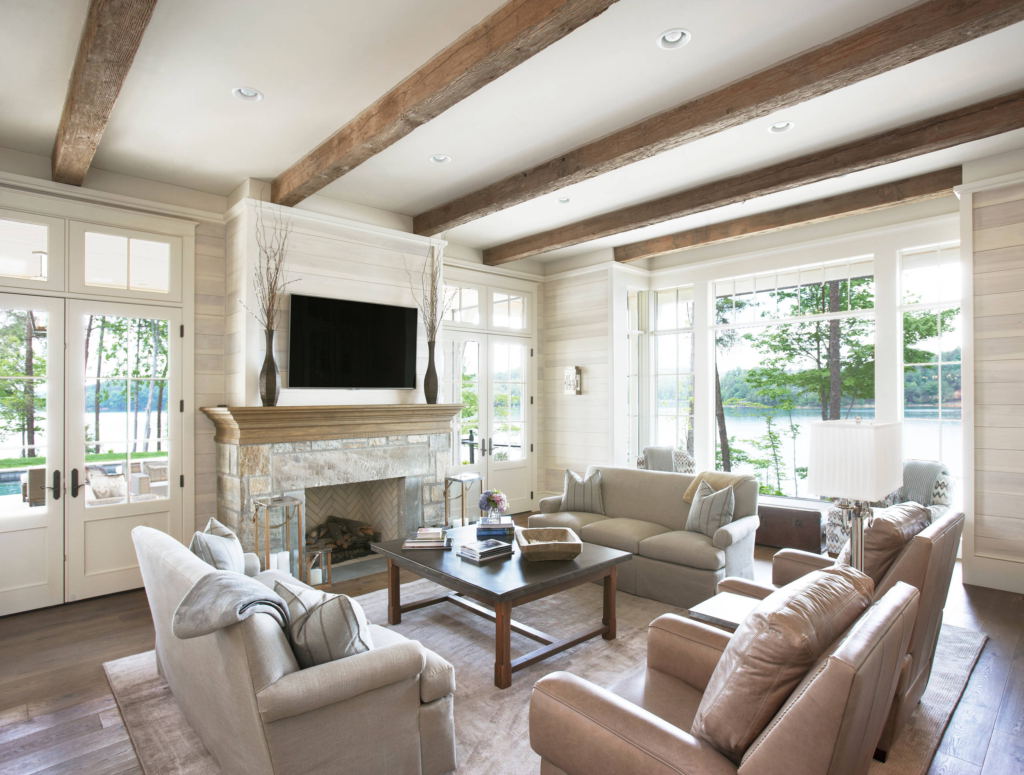
Modern furniture design illustrates the convergence clearly. Sofas now feature layered cushioning systems that support the body while maintaining clean silhouettes. Dining chairs incorporate flexible backs and contoured seats without appearing clinical.
Manufacturers learned that durability and comfort enhance style rather than undermine it. Performance fabrics resist stains while retaining texture. Modular seating adapts to changing spaces without looking temporary.
In real homes, this matters. Families need furniture that handles daily use without feeling disposable. Renters want adaptable pieces that still feel intentional. The best designs quietly solve these problems without calling attention to the engineering behind them.
Apparel: When Movement Became the Design Brief
American clothing has undergone a similar transformation. Traditional workwear once prioritized structure over mobility. Casualwear often sacrificed durability for softness.
The rise of stretch fibers, moisture-wicking textiles, and hybrid garments changed that equation. Pants designed for commuting now stretch at the knee and waist while maintaining a tailored appearance. Shoes blend cushioning with refined profiles suitable for offices and city streets alike.
The key shift was designing clothing around how people actually move. When comfort is engineered at the pattern level rather than added as padding, style remains intact.
Architecture and Interiors: Designing for Real Life
Residential and commercial interiors have embraced flexibility. Open floor plans evolved not just for aesthetics but for airflow, natural light, and adaptability. Storage is integrated rather than hidden. Materials are selected for longevity as much as appearance.
In offices, the rigid cubicle gave way to adjustable desks, varied seating, and acoustic control. According to a 2023 workplace study by Gensler, employees in spaces offering choice and ergonomic support reported higher productivity and satisfaction—without increased build costs.
Comfort no longer signals informality. It signals intentionality.
Technology’s Quiet Role in Bridging the Gap
Advances in materials science made much of this possible. Memory foams respond dynamically to pressure. Technical fabrics regulate temperature. Lightweight alloys allow furniture and wearables to remain slim without sacrificing strength.
What’s notable is how invisible these innovations have become. Good design no longer announces its features. It simply works.
This invisibility matters for trust. When comfort feels natural and function effortless, users focus on living—not adjusting.
Why American Consumers Now Expect All Three
Once consumers experienced integrated design, expectations reset. Products that fail to balance comfort, function, and style now feel outdated.
This shift shows up in purchasing behavior:
- Buyers read reviews for long-term comfort, not just first impressions
- Return rates increase for products that look good but underperform
- Brands emphasizing usability earn stronger loyalty
Americans are no longer impressed by extremes. They reward balance.
Practical Examples from Everyday Life
Consider footwear. A commuter walking several miles daily expects cushioning, breathability, and professional appearance. Ten years ago, that required compromise. Today, hybrid designs meet all three needs without explanation.
Or look at home offices. Adjustable chairs with breathable mesh and refined frames blend seamlessly into living spaces. Sit-stand desks offer stability and clean lines rather than industrial bulk.
These are not luxury solutions. They are baseline expectations.
How to Evaluate Whether a Product Truly Integrates All Three
Instead of relying on marketing claims, experienced buyers look for evidence:
- Comfort that remains consistent after extended use
- Function that reduces effort rather than adds features
- Style that ages well instead of following short trends
If one element dominates at the expense of others, the balance is incomplete.
The Broader Impact on Sustainability and Value
Integration also improves sustainability. Products designed to be comfortable, functional, and attractive over time are used longer. Fewer replacements mean less waste.
From an economic standpoint, Americans increasingly favor fewer, better purchases. Longevity has become a form of value—one that depends on thoughtful design.

Frequently Asked Questions
Why did comfort used to be considered unprofessional?
Because rigidity was historically associated with discipline and authority, even when it caused physical strain.
Can comfort and style really coexist without higher costs?
Yes. As technologies scale, integrated design has become cost-neutral in many categories.
What industries led this shift first?
Furniture and athletic apparel were early adopters, followed by workplace design and footwear.
How do I tell if comfort is engineered or just padded?
Engineered comfort maintains support over time; padding compresses quickly.
Is this trend specific to the U.S.?
The U.S. played a major role due to work culture, wellness trends, and consumer influence.
Does minimalism help or hurt comfort?
When done thoughtfully, minimalism often improves comfort by removing unnecessary friction.
Are ergonomic certifications reliable?
They are helpful indicators but should be paired with real-world testing.
Will this integration continue or plateau?
It is likely to deepen as consumers reject false trade-offs.
Does this apply to small living spaces?
Especially so—multifunctional design thrives where space is limited.
Where Balance Becomes the New Standard
The real achievement isn’t that comfort, function, and style can coexist—it’s that Americans now refuse to accept less. When design respects how people live, move, and work, quality becomes intuitive rather than explained. That expectation is shaping the next generation of products, spaces, and experiences.
Key Signals the Shift Is Here to Stay
- Comfort is measured over time, not at first use
- Function simplifies daily behavior
- Style supports longevity rather than novelty