
Summary
Getting dressed today carries different emotional, social, and practical meaning than it did five years ago. Shifts in work culture, lifestyle priorities, comfort standards, and consumer awareness have reshaped how Americans think about clothing. This article explores why dressing feels more intentional, flexible, and personal—and how those changes show up in everyday wardrobes.
A Subtle Change Most People Notice—But Rarely Name
Many Americans can feel it without quite articulating it: the act of getting dressed no longer feels automatic. Five years ago, clothing choices were often shaped by predictable routines—commuting, office norms, social calendars, and clear dress codes. Today, dressing feels more deliberate, sometimes more emotional, and often more closely tied to how people actually live rather than how they’re expected to present themselves.
This shift didn’t happen overnight, and it isn’t about trends cycling in or out. It reflects deeper changes in how Americans work, socialize, consume, and define identity. Clothing has become less about signaling status or conformity and more about negotiating comfort, confidence, and flexibility in a less predictable world.
The Workday That Redefined the Wardrobe
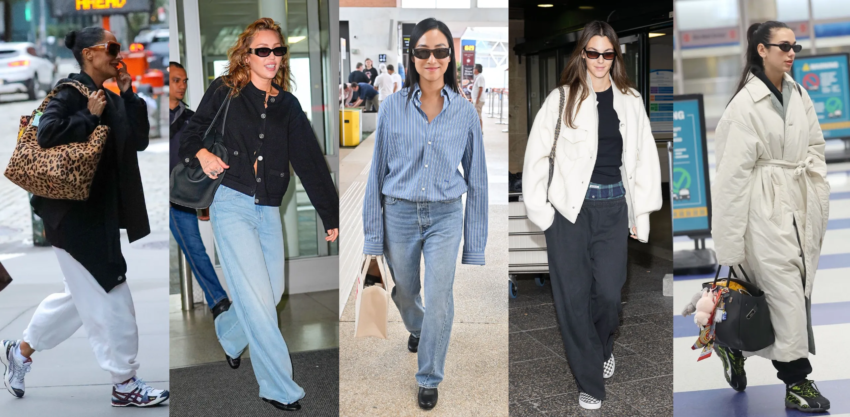
One of the clearest reasons getting dressed feels different is the way work itself has changed. Remote and hybrid schedules blurred the once-rigid line between professional and personal clothing. Even for people who returned to offices, expectations rarely snapped back to pre-2020 formality.
Instead of dressing for a place, many people now dress for a day—one that might include video calls, errands, childcare, social plans, or travel between spaces.
Common shifts include:
- Softer fabrics replacing structured tailoring
- Fewer “work-only” outfits in rotation
- Emphasis on comfort that still reads as intentional
- Neutral, versatile pieces worn across multiple settings
The psychological effect matters too. When clothing must perform across roles, people think more carefully about what they put on—and why.
Comfort Became a Standard, Not a Luxury
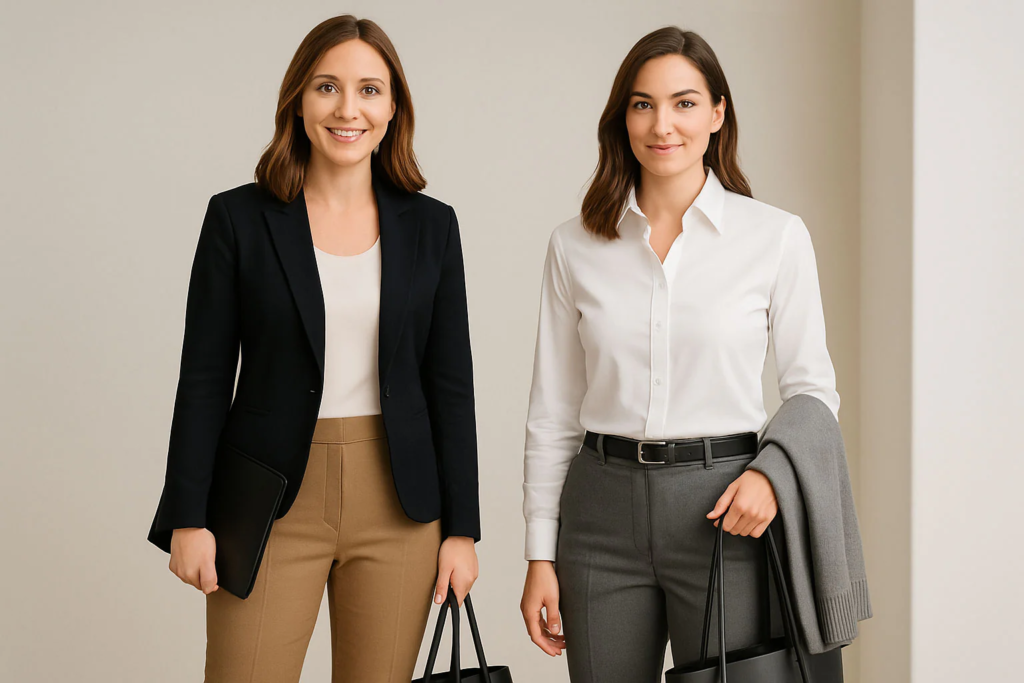
Comfort used to be something people changed into at home. Now it’s a baseline expectation. This doesn’t mean Americans stopped caring about appearance—it means discomfort is no longer accepted as the cost of looking put-together.
The change is practical and emotional. Many people spent extended periods wearing clothing that didn’t pinch, restrict, or require constant adjustment. Returning to rigid garments felt unnecessary, even irrational.
As a result:
- Stretch, breathability, and softness became non-negotiable
- Shoes are evaluated for walkability, not just appearance
- “All-day wear” became a meaningful metric
This shift altered how people emotionally experience getting dressed. Clothing that supports the body tends to reduce friction, which makes the act of dressing feel calmer and more grounded.
Dressing Became More Emotional Than Aspirational
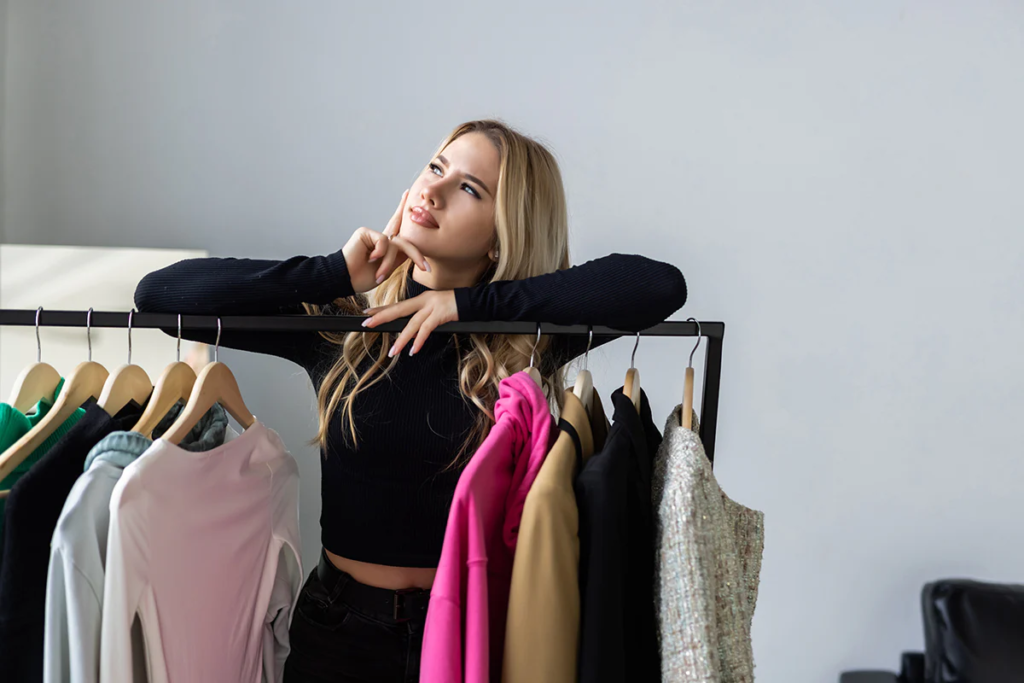
Five years ago, dressing often meant aspiring toward a version of oneself shaped by external expectations—corporate culture, social media aesthetics, or lifestyle signaling. Today, many Americans describe dressing as a way to regulate mood, energy, or confidence.
People increasingly choose clothes based on:
- How they want to feel, not just how they want to look
- Emotional comfort during uncertain or busy days
- Familiarity and personal meaning
This explains why favorites are worn repeatedly and why minimal wardrobes feel satisfying rather than limiting. The act of getting dressed has become more internal—less about performance, more about self-alignment.
The Decline of “Occasion-Only” Clothing
Another reason getting dressed feels different is that fewer people buy clothes for narrowly defined occasions. Weddings, conferences, and formal events didn’t disappear—but they became less frequent, less rigid, or more adaptable.
Americans increasingly favor pieces that can flex:
- A blazer worn casually and professionally
- Dresses styled up or down depending on footwear
- Shoes that work across settings
This shift reduces decision fatigue but increases thoughtfulness. When every piece needs to earn its place, people pay more attention to fit, quality, and versatility.
Social Media Changed How Style Is Interpreted
Social platforms still influence fashion, but the dynamic has matured. Instead of chasing trends, many Americans now engage with style content for ideas, validation, or problem-solving rather than imitation.
What changed:
- Greater visibility into how real people dress daily
- Less tolerance for impractical styling
- Increased interest in personal proportions, climate, and lifestyle
This made getting dressed feel less like following rules and more like solving a personal equation. The result is clothing that reflects individuality rather than uniform trends.
The Rise of Value-Based Clothing Decisions
Cost awareness, sustainability concerns, and quality expectations now shape how Americans shop—and how they feel about getting dressed. Many people own fewer items but know them better.
This shows up as:
- Willingness to rewear outfits publicly
- Preference for durability over novelty
- Emotional attachment to well-worn pieces
Getting dressed feels different because clothing carries more meaning. It represents choices, trade-offs, and values—not just aesthetics.
Why Decision Fatigue Plays a Role
Ironically, having fewer rules can make getting dressed feel harder at times. Without strict dress codes, people must decide what “appropriate” means each day.
This can create:
- More time spent choosing outfits
- Greater self-awareness during dressing
- Occasional nostalgia for simpler rules
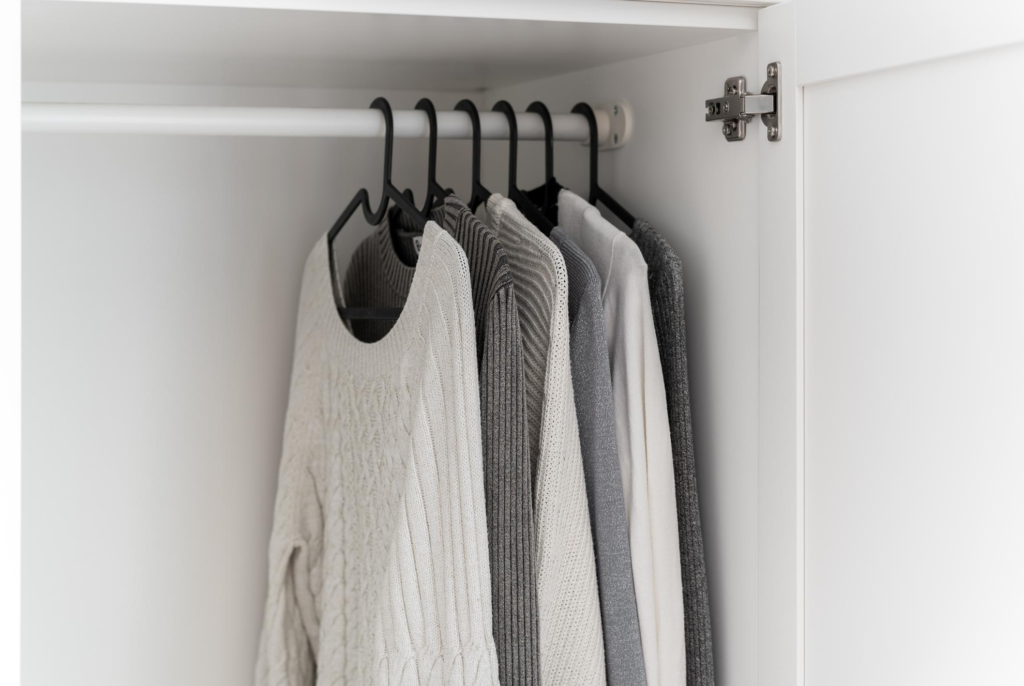
Over time, most people develop personal systems—capsule wardrobes, go-to formulas, or trusted combinations—that restore ease while preserving flexibility.
What This Means for Everyday Americans
The change in how getting dressed feels isn’t superficial. It reflects broader shifts in autonomy, identity, and daily structure. Clothing now serves as a quiet negotiation between comfort, confidence, and self-expression.
People who adapt successfully tend to:
- Build wardrobes around real routines
- Let go of outdated style expectations
- Invest in pieces that support how life actually looks
The goal isn’t perfection—it’s alignment.
Frequently Asked Questions
Why do clothes feel less formal than before?
Because work, socializing, and daily routines are less structured, reducing the need for rigid dress codes.
Is it normal to wear the same outfits repeatedly now?
Yes. Rewearing reflects practicality, sustainability, and confidence rather than lack of style.
Did remote work permanently change how Americans dress?
For many, yes. Even those back in offices often keep comfort-forward habits.
Why does getting dressed sometimes feel more tiring now?
More choice and fewer rules can increase decision fatigue until personal systems form.
Are trends less important today?
Trends matter, but personal relevance now outweighs trend adoption.
Is casual dressing unprofessional?
Not inherently. Professionalism is increasingly defined by context and presentation, not formality alone.
Why do people care more about fabric and fit?
Because comfort and longevity became priorities after extended daily wear.
Is minimalism driving this change?
Partially, but the deeper driver is lifestyle alignment, not aesthetics.
Will formal clothing make a comeback?
Likely in specific contexts, but everyday wardrobes will remain flexible.
Where Personal Style Is Headed Next
Getting dressed now reflects how Americans live—not how they’re told to live. As routines continue to evolve, clothing will likely become even more personal, adaptable, and values-driven. The shift isn’t about dressing down; it’s about dressing honestly, with fewer assumptions and more intention.
Key Ideas to Carry Forward
- Clothing now supports real life, not idealized schedules
- Comfort and confidence coexist more naturally
- Fewer rules invite more self-awareness
- Personal systems restore ease in daily dressing