
Summary
Hybrid work has quietly reshaped how Americans think about clothing. As offices and homes blend, personal style is shifting toward comfort, adaptability, and intention. This article explores how work-from-anywhere culture is changing wardrobes, dress codes, and buying habits—and what it means for professionals navigating modern work life.
A Workday That No Longer Looks the Same
For decades, American workwear followed a predictable rhythm. Offices had dress codes, commutes dictated footwear, and professional identity was closely tied to appearance. Hybrid work disrupted that structure almost overnight.
Today, millions of Americans split their time between home offices, coworking spaces, and traditional workplaces. According to data from Gallup, roughly half of U.S. workers with remote-capable jobs now operate in a hybrid arrangement. Clothing has had to adapt accordingly.
Instead of dressing for a place, people are dressing for a range of contexts—video calls, in-person meetings, errands, and personal life often folded into the same day. This shift has fundamentally changed what “professional style” means.
From Dress Codes to Dress Judgment
Formal dress codes are becoming less common, but expectations haven’t disappeared—they’ve become more nuanced. Rather than adhering to explicit rules, workers now rely on situational judgment.
Many professionals describe a new mental calculation each morning:
- Will I be on camera today?
- Am I meeting clients or teammates?
- Could plans change unexpectedly?
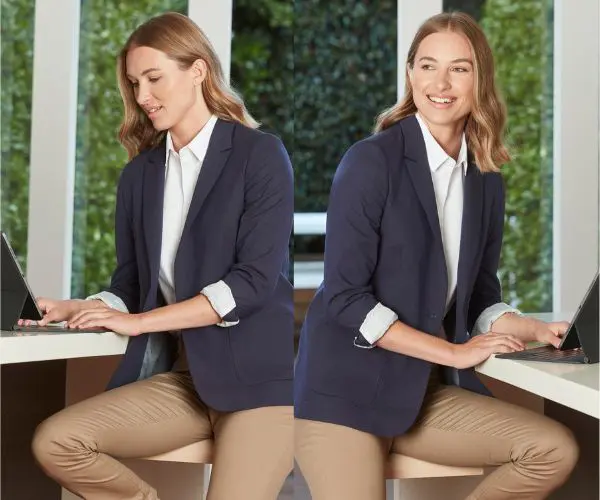
The result is clothing that balances polish with flexibility. Blazers appear in softer fabrics. Dress shoes are replaced with clean sneakers or loafers. Tailored pieces coexist with knitwear and performance materials.
This evolution reflects trust. Employers increasingly measure output rather than appearance, while employees are expected to self-regulate professionalism.
Comfort Is No Longer a Guilty Pleasure
Before remote work became mainstream, comfort in professional clothing often came at the expense of credibility. That stigma has largely faded.
Americans now prioritize:
- Stretch fabrics that allow movement
- Breathable materials for long wear
- Footwear suitable for both walking and meetings
Importantly, this isn’t about abandoning standards. It’s about redefining them. A well-fitted knit blazer or structured jogger-style pant can look intentional without feeling restrictive.
Retail data supports this shift. Brands report sustained demand for “comfort-forward” categories like pull-on trousers, knit suiting, and hybrid footwear—long after lockdowns ended.
The Rise of “Video-First” Dressing
Hybrid work introduced a new styling constraint: the webcam. Clothing choices are now influenced by how fabrics, colors, and fits appear on screen.
Common adjustments include:
- Solid colors instead of busy patterns
- Structured shoulders to maintain shape on camera
- Necklines that frame the face well
Interestingly, this has created a split wardrobe effect. Many professionals invest more in tops, eyewear, and grooming while simplifying lower-half choices on remote days.
Over time, this has encouraged more intentional purchases—pieces that perform visually and functionally rather than trend-driven outfits worn infrequently.
Fewer Clothes, Better Choices
Another major shift is how much people own. With fewer formal occasions and more versatile dressing, many Americans are downsizing wardrobes.
This has led to:
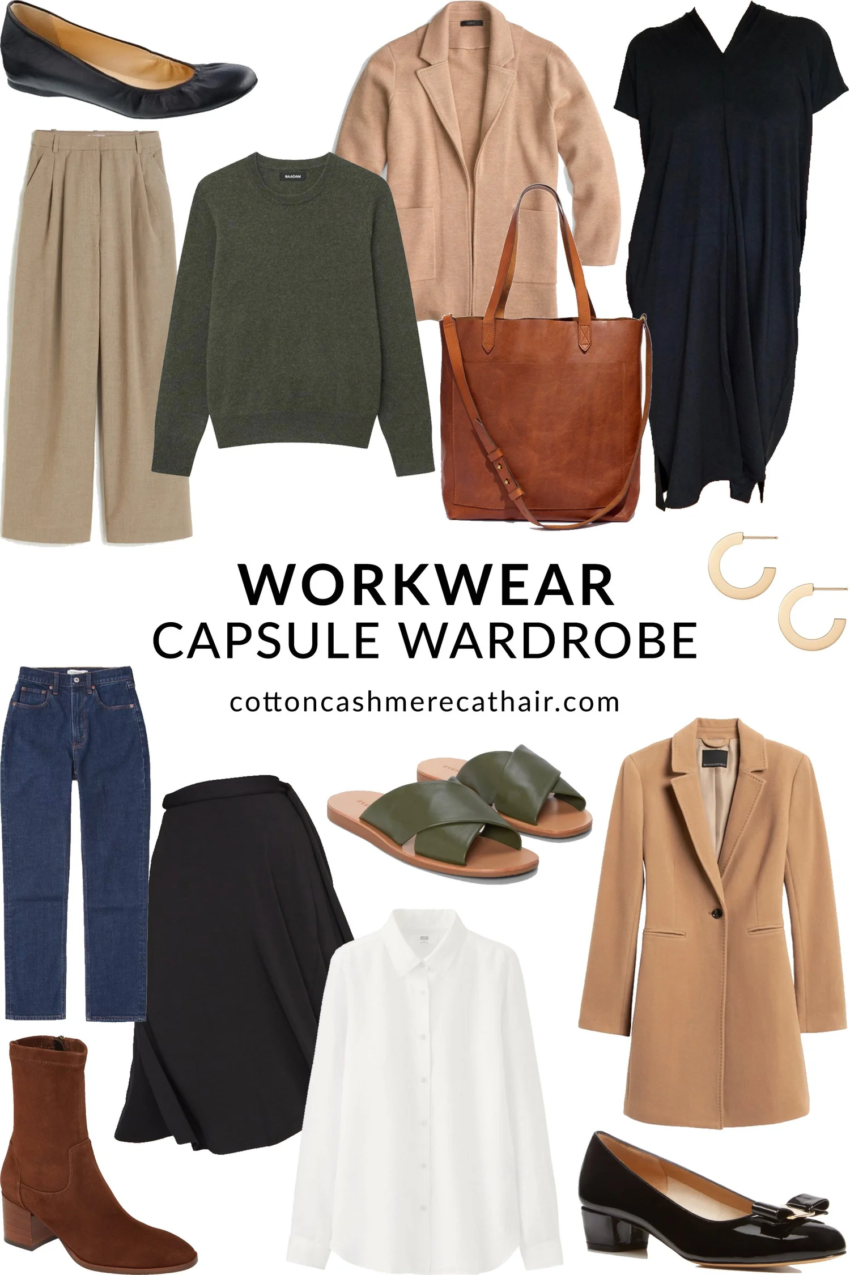
- Capsule wardrobes built around neutral palettes
- Rewearing outfits without stigma
- Higher-quality purchases over impulse buys
A McKinsey consumer survey found U.S. shoppers increasingly value durability and versatility over novelty. Hybrid work reinforces this mindset because clothes must work across environments.
Personal style becomes less about constant reinvention and more about refinement—knowing what works and investing accordingly.
Blurred Lines Between Personal and Professional Identity
Hybrid work has also softened the boundary between “work clothes” and “real life clothes.” When colleagues see each other in home settings, authenticity matters more.
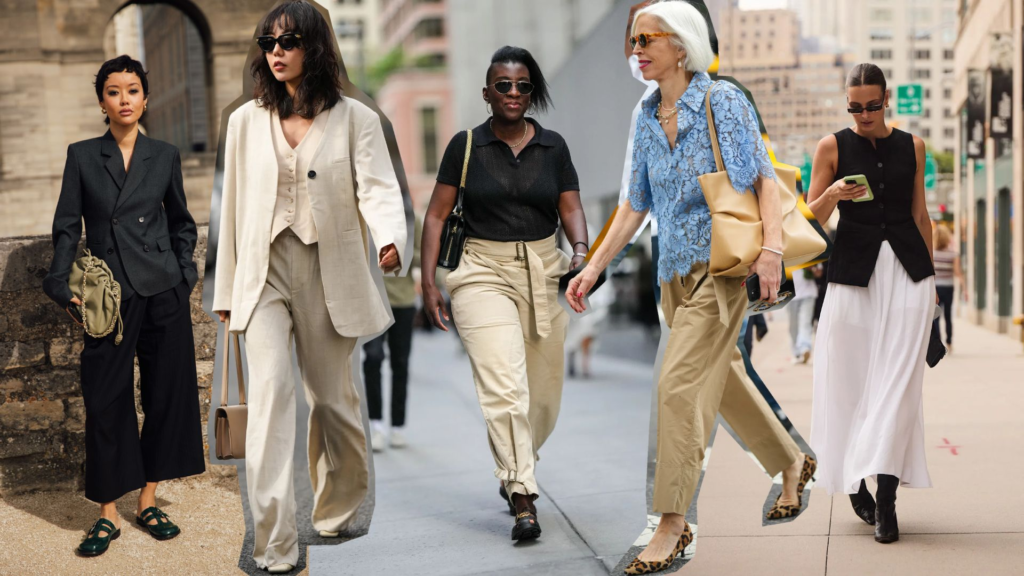
Subtle personal expression—through color choices, accessories, or cultural influences—has become more accepted. Employees feel less pressure to “dress the part” and more freedom to dress as themselves, within reason.
This doesn’t mean anything goes. Rather, style is becoming a tool for communication:
- Reliability through consistency
- Creativity through detail
- Authority through fit and presentation
The most effective hybrid wardrobes support identity without overshadowing competence.
Generational Influence on Hybrid Style
Younger professionals who entered the workforce during or after the pandemic have never known rigid office dress norms. For them, flexibility is the default.
Older generations, meanwhile, are reassessing long-held assumptions about professionalism. The middle ground is emerging organically, shaped by shared experience rather than top-down rules.
This cross-generational convergence is producing a new American work style—less hierarchical, more functional, and quietly confident.
What This Means for the Future of Workwear
Hybrid work is no longer a temporary adjustment. It’s a structural change with lasting implications for fashion, retail, and workplace culture.
We can expect:
- Continued growth of adaptable, modular clothing
- Less emphasis on seasonal trends
- Greater focus on personal utility and longevity
Personal style, once dictated by office norms, is now shaped by lived experience. The most successful wardrobes support productivity, confidence, and real life—without excess.
Frequently Asked Questions
1. What is hybrid work style?
Hybrid work style refers to clothing choices designed to function across remote and in-person work environments.
2. Do people still dress professionally for work?
Yes, but professionalism is now defined more by intention and appropriateness than formality.
3. Are suits becoming obsolete?
Traditional suits are worn less often, but tailored elements remain relevant in modern forms.
4. What are the most popular hybrid work clothing items?
Knit blazers, polished sneakers, structured tops, and versatile pants are common staples.
5. How has remote work changed shopping habits?
Consumers buy fewer items, prioritize comfort, and favor multi-use pieces.
6. Is casual dressing accepted in offices now?
Many offices allow casual attire, but expectations vary by industry and role.
7. How should I dress for hybrid meetings?
Choose clean, well-fitted clothing that looks good both on camera and in person.
8. Does hybrid work affect personal branding?
Yes. Consistent, intentional style contributes to credibility and recognition.
9. Are dress codes disappearing entirely?
Not entirely, but they are becoming more flexible and situational.
Where Modern Work Style Is Headed
Hybrid work has shifted the purpose of clothing from conformity to support. What Americans wear to work is no longer about signaling status or compliance—it’s about enabling performance across changing contexts. The future of personal style lies in adaptability, restraint, and self-awareness rather than rigid rules.
The Big Picture, Simplified
- Workwear is becoming more flexible and intentional
- Comfort and professionalism now coexist
- Fewer, better clothing choices define modern style
- Personal identity plays a larger role in work appearance
- Hybrid work is permanently reshaping American wardrobes