
Summary
Across the U.S., everyday wardrobes are quietly evolving. Americans are favoring comfort-forward tailoring, relaxed silhouettes, neutral palettes, and versatile pieces that move easily between work, errands, and social life. These subtle shifts reflect economic pressures, lifestyle changes, and a growing desire for longevity, authenticity, and practicality in personal style.
Walk through a neighborhood coffee shop, a suburban grocery store, or a regional airport, and you’ll notice something different about how Americans are dressing. The change isn’t loud or trend-driven. There are no shock colors, extreme silhouettes, or obvious fashion statements. Instead, the transformation is quiet, practical, and deeply rooted in everyday life.
Over the last several years, American wardrobes have shifted in response to remote work, inflation, climate awareness, and evolving social norms. According to data from the U.S. Bureau of Labor Statistics, apparel spending has remained relatively flat since 2019, even as prices have increased. That reality has changed not only what people buy, but how they think about clothing altogether.
This article explores the subtle but meaningful style changes shaping what Americans wear daily—why they’re happening, what they look like in real life, and how they affect purchasing decisions across age groups and regions.
Comfort Has Become a Baseline, Not a Bonus
Comfort used to be something people changed into after work. Today, it’s the starting point.
Soft fabrics, flexible waistbands, stretch denim, and unstructured layers are now standard across demographics. This shift isn’t about dressing down—it’s about reducing friction in daily life. Americans increasingly expect clothing to accommodate long workdays, commuting, child care, errands, and social plans without multiple outfit changes.
Hybrid work has accelerated this shift. A 2023 Gallup report found that over 50% of U.S. workers operate in a hybrid or fully remote capacity. That reality has blurred traditional dress codes, especially for professionals who still want to look polished on video calls or during occasional office visits.
In practice, this shows up as:
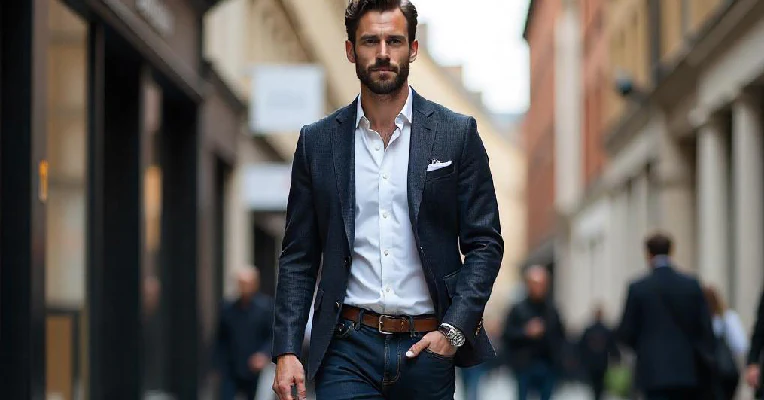
- Knit blazers replacing structured suit jackets
- Elastic-back trousers that look tailored from the front
- Polished sneakers worn with chinos or midi skirts
- Dresses designed with stretch, pockets, and breathable fabrics
Comfort is no longer casual—it’s built into elevated everyday wear.
Relaxed Silhouettes Are Replacing Tight Fits
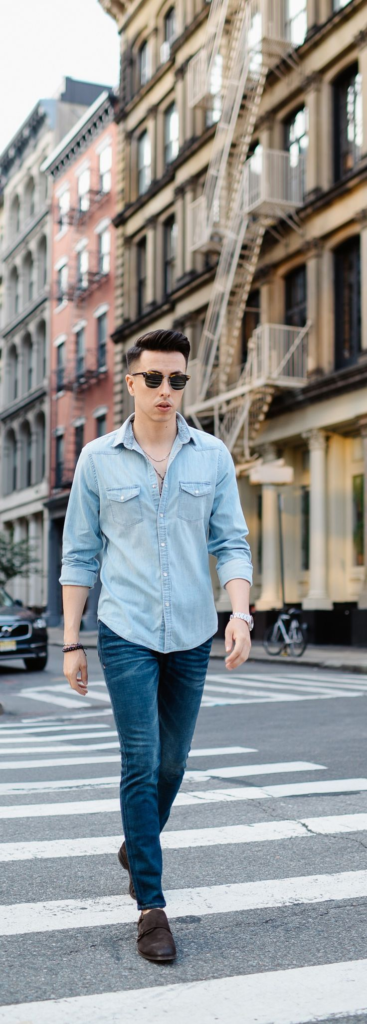
Skin-tight clothing hasn’t disappeared, but it’s no longer the default. Across genders and age groups, silhouettes have softened. Straight-leg jeans, relaxed trousers, boxy knits, and roomy button-downs now dominate mainstream retail.
This change reflects both physical comfort and cultural mood. After years of uncertainty and disruption, Americans appear less interested in restrictive clothing and more focused on ease and adaptability.
Importantly, relaxed does not mean oversized or sloppy. The most successful wardrobes balance structure with flow—clothes that skim the body rather than cling to it. Tailoring hasn’t vanished; it has simply become more forgiving.
Stylists increasingly recommend fit adjustments rather than size reductions, such as hemming wider pants or tailoring shoulders on looser jackets to maintain proportion.
Neutral Color Palettes Are Gaining Ground
While seasonal colors still cycle through fashion media, everyday wardrobes tell a different story. Neutral and low-saturation tones—beige, olive, gray, navy, brown, soft white—now dominate closets across the U.S.
There are practical reasons for this shift. Neutral colors mix easily, reduce decision fatigue, and extend the life of a wardrobe. With inflation affecting discretionary spending, many Americans are prioritizing pieces that can be worn repeatedly without feeling dated.
This approach aligns with the growing interest in capsule wardrobes and minimalist dressing, especially among Millennials and Gen X consumers balancing work, family, and budget constraints.
Color hasn’t disappeared; it’s just more intentional. When brighter shades appear, they’re often accessories, footwear, or a single standout piece rather than the foundation of an outfit.
Functionality Is Quietly Driving Design Choices
One of the most under-discussed style shifts is how functional features are influencing everyday fashion.
Pockets, washable fabrics, weather resistance, and wrinkle-reducing materials now factor heavily into purchase decisions. Brands that once focused on aesthetics alone are adapting to consumers who want clothes that work as hard as they do.
This trend is particularly visible in:
- Outerwear with hidden storage and lightweight insulation
- Travel-friendly dresses that resist creasing
- Footwear designed for extended walking without looking athletic
- Layering pieces suitable for unpredictable indoor temperatures
According to a McKinsey apparel consumer survey, durability and practicality now rank higher than trend alignment for U.S. shoppers over 30.
Casual Footwear Has Become Socially Acceptable Almost Everywhere
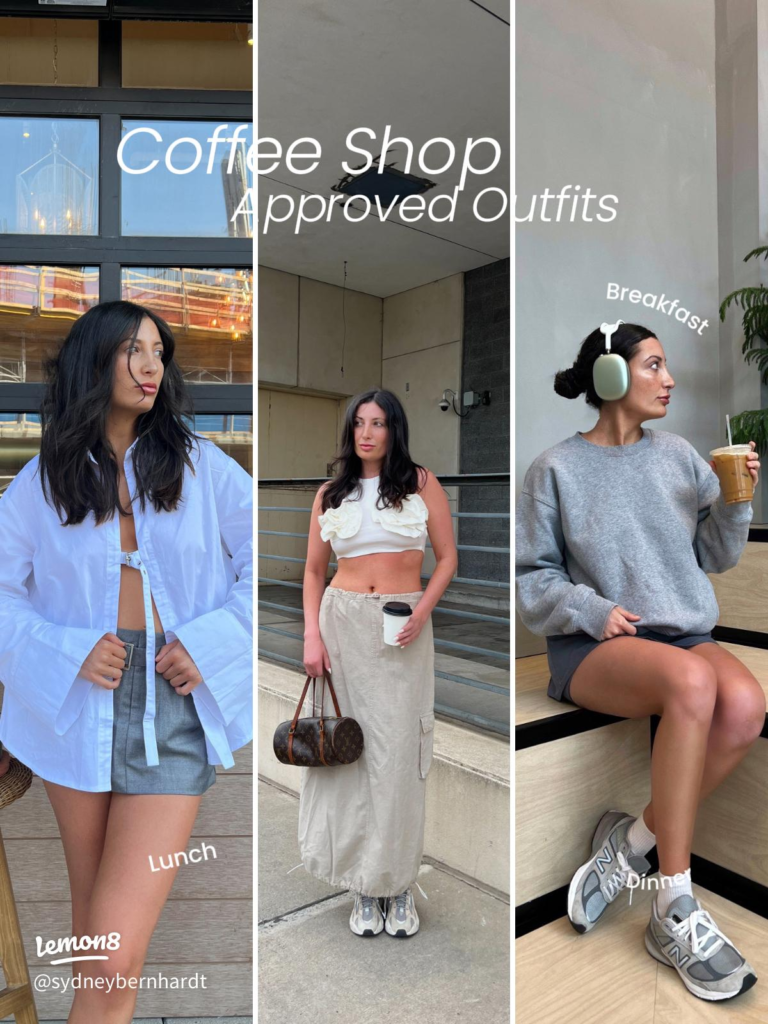
Few shifts illustrate changing norms better than footwear. Sneakers, loafers with rubber soles, and supportive sandals are now acceptable in environments that once required formal shoes.
This isn’t about abandoning professionalism; it’s about redefining it. Americans increasingly value mobility, health, and long-term comfort over rigid appearance standards.
Even in traditionally conservative settings—air travel, conferences, casual offices—supportive footwear is no longer seen as a faux pas. This has influenced outfit construction from the ground up, with hems, proportions, and silhouettes adapting accordingly.
Logos and Flashy Branding Are Losing Influence
Another subtle change is the decline of overt logos in everyday wear. While luxury branding still exists, many Americans are gravitating toward understated pieces without visible labels.
This shift reflects both economic caution and changing social values. Quiet quality signals thoughtfulness, restraint, and longevity—traits increasingly valued in uncertain times.
Younger consumers, in particular, appear less interested in conspicuous branding and more drawn to craftsmanship, fit, and fabric quality. Thrifted and secondhand clothing also plays a role here, further reducing the emphasis on visible branding.
Gender Lines Are Softening in Everyday Style
Across the U.S., everyday wardrobes are becoming more fluid. While men’s and women’s clothing categories still exist, the overlap is growing.
Relaxed trousers, oversized knits, neutral sneakers, and utilitarian outerwear now appear across gender presentations. This isn’t about trend-driven androgyny—it’s about practicality and personal comfort.
Retailers have responded with broader fits, flexible sizing, and more neutral design language, particularly in casual and work-adjacent categories.
Americans Are Buying Fewer Pieces—but Wearing Them More
Perhaps the most significant shift isn’t aesthetic at all. It’s behavioral.
Americans are purchasing fewer clothing items overall, but they expect each piece to perform multiple roles. A jacket should work for work, weekends, and travel. Pants should pair with sneakers and dress shoes. Dresses should layer across seasons.
This mindset favors versatility over novelty and has reshaped how people evaluate value. Cost-per-wear has quietly replaced trend relevance as a guiding metric for many households.
Frequently Asked Questions
Why are American fashion trends becoming more subtle?
Economic pressure, lifestyle changes, and a focus on longevity have reduced interest in fast, flashy trends.
Is this shift driven mostly by remote work?
Remote and hybrid work accelerated it, but rising costs and lifestyle flexibility play equally strong roles.
Are younger Americans dressing differently than older generations?
Younger consumers often adopt these shifts first, but the trends span all age groups.
Does this mean fashion is becoming boring?
No. It’s becoming more intentional, personal, and practical rather than trend-chasing.
Are neutral wardrobes better for long-term use?
They tend to offer more versatility and reduce the need for frequent replacements.
How does this affect professional dress codes?
Workwear is becoming more relaxed while still maintaining polish and credibility.
Is sustainability influencing everyday wardrobes?
Yes, particularly through buying fewer items and prioritizing durability.
Are logos completely out of style?
Not entirely, but understated design is increasingly preferred for daily wear.
Will fitted clothing come back?
Trends cycle, but comfort-forward tailoring is likely to remain a baseline expectation.
How These Shifts Are Quietly Redefining Personal Style
What’s happening in American wardrobes isn’t a trend cycle—it’s a recalibration. Clothing is being asked to do more with less. The result is a style landscape that feels calmer, more adaptable, and better aligned with real life.
Instead of signaling status or trend awareness, everyday fashion now reflects values: comfort, function, and thoughtful consumption. These shifts may be subtle, but together, they’re reshaping how Americans get dressed every single day.
Signals Worth Paying Attention To
- Comfort-driven design has become standard, not casual
- Neutral palettes dominate for versatility and longevity
- Relaxed silhouettes balance ease with polish
- Functionality influences everyday purchasing decisions
- Fewer pieces are expected to serve more purposes