
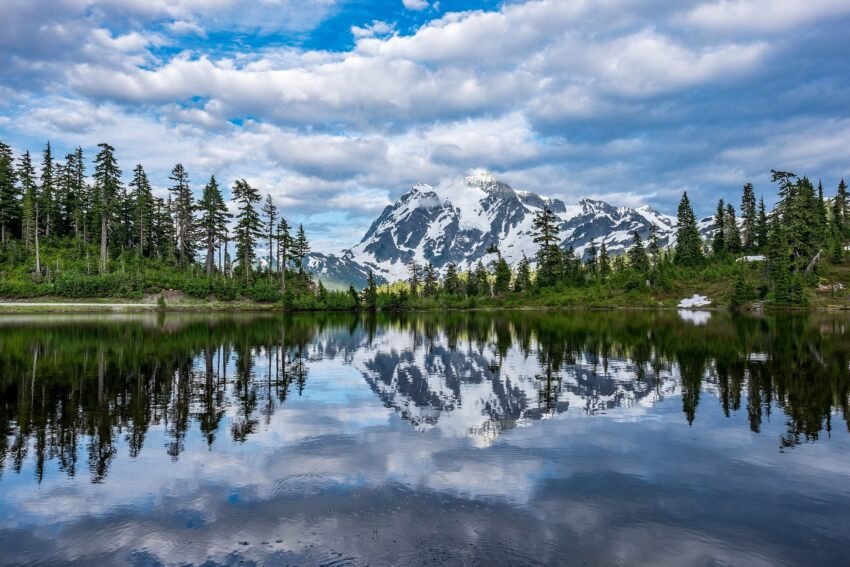
America’s national parks draw millions seeking iconic landscapes—but growing crowds are reshaping the experience. State parks, often overlooked, provide comparable scenery with fewer visitors and lower costs. This guide compares access, amenities, crowd levels, and real-world examples to help travelers decide where to find unforgettable scenery without sacrificing space, flexibility, or value.
America’s public lands are among its greatest shared assets. From geothermal basins to sandstone arches, alpine lakes to coastal cliffs, the range of protected landscapes is unmatched. Yet as visitation rises across the country, many travelers are asking a practical question: Where can I find iconic scenery without navigating peak-season crowds?
The answer often lies in understanding the difference between national and state parks—not just in reputation, but in management, visitation patterns, infrastructure, and overall experience.
According to the National Park Service, more than 325 million recreation visits were recorded across U.S. national park sites in recent years. Flagship destinations such as Yellowstone National Park, Yosemite National Park, and Grand Canyon National Park routinely see millions of annual visitors.
By comparison, the National Association of State Park Directors reports that state parks collectively receive even higher visitation numbers nationwide—but those visits are distributed across thousands of properties, often reducing concentration at individual sites.
Understanding that distinction is key.
What’s the Real Difference Between National and State Parks?
At the surface level, the difference is administrative. National parks are federally managed, typically designated for their exceptional natural, cultural, or geological significance. State parks are managed at the state level and vary widely in size, mission, and funding.
But for travelers, the meaningful differences are experiential.
National parks often feature:
- Globally recognized landmarks
- Extensive visitor centers and ranger programming
- Larger protected acreage
- Infrastructure designed for heavy tourism
State parks frequently offer:
- Lower entrance fees
- Fewer visitors per square mile
- Proximity to population centers
- Simpler facilities with more flexible access
That difference in scale shapes the visitor experience.
Are National Parks Too Crowded?
Search trends show increasing queries like: What are the least crowded national parks? and How do I avoid crowds at national parks?
Iconic national parks face infrastructure strain during peak months. Yosemite, for example, has implemented reservation systems during high season to manage traffic congestion and preserve ecological health. Timed entry programs have become common at high-demand sites.
Crowds are typically concentrated in:
- Summer months (June–August)
- Major holiday weekends
- Signature attractions (e.g., Old Faithful in Yellowstone)
- Easily accessible scenic drives
However, crowd levels drop significantly:
- In shoulder seasons (late spring, early fall)
- In backcountry areas requiring longer hikes
- During early morning and evening hours
National parks remain extraordinary—but visitors must plan carefully.
Can State Parks Offer Comparable Scenery?
Many travelers assume that state parks are secondary alternatives. In reality, numerous state parks protect landscapes nearly indistinguishable from their national counterparts.
Consider:
- Dead Horse Point State Park, overlooking the Colorado River canyon system near Arches National Park.
- Custer State Park, offering dramatic granite formations and wildlife viewing near Badlands National Park.
- Silver Falls State Park, known for its multi-waterfall trail comparable to experiences in Mount Rainier National Park regions.
In many cases, state parks sit adjacent to or within the same geological systems as national parks. The scenery doesn’t abruptly change at jurisdictional boundaries.
Cost Considerations: Is One More Affordable?
Budget is another common question: Are state parks cheaper than national parks?
National park entrance fees typically range from $20–$35 per vehicle, valid for seven days. The America the Beautiful pass provides annual access to federal lands for a single fee.
State park fees vary widely but are often lower for residents. Many states offer annual passes priced competitively for frequent visitors.
Camping costs also differ:
- National park campgrounds often range from $20–$40 per night.
- State park campgrounds may offer similar pricing but with more availability.
In high-demand national parks, securing campsites can require reservations months in advance. State parks often allow shorter booking windows, making them practical for spontaneous trips.
Accessibility and Infrastructure
National parks typically feature robust visitor services:
- Extensive trail signage
- Educational programming
- Shuttle systems
- Lodges and dining facilities
State parks may provide fewer interpretive services but compensate with easier parking access and less regulated entry systems.
For travelers with mobility needs, larger national parks often have well-developed accessibility infrastructure. However, some state parks are equally committed to ADA-compliant trails and facilities.
Wildlife Viewing: Which Is Better?
Wildlife is a major draw in national parks like Yellowstone. Strict conservation policies allow ecosystems to function with minimal human interference.
That said, state parks can offer remarkable wildlife opportunities. Custer State Park, for example, maintains free-roaming bison herds and scenic wildlife loops.
The difference often comes down to habitat size. National parks typically encompass larger continuous ecosystems, which may increase the chance of spotting apex species. State parks may offer easier, less crowded wildlife viewing areas.
Finding Iconic Landscapes Without the Crowds
If your goal is scenic impact with fewer visitors, consider this approach:
- Identify a popular national park destination.
- Research nearby state parks within a 50–100 mile radius.
- Visit the national park at sunrise or sunset.
- Spend mid-day exploring lesser-known state parks.
This layered itinerary balances bucket-list views with breathing room.
For example, visitors heading to the Grand Canyon might explore Arizona’s state park system before or after peak hours at the main viewpoints.
When National Parks Are Worth the Crowds
Despite growing visitation, some landscapes justify the planning effort. National parks often preserve features found nowhere else.
Geothermal basins, massive canyon systems, and iconic rock formations hold global recognition for good reason. Ranger-led programs also provide deeper interpretive context.
For first-time visitors to the American West, national parks deliver concentrated highlights. For repeat travelers, state parks provide nuance and solitude.
Frequently Asked Questions
1. Are state parks less crowded than national parks?
Generally, yes—especially during peak summer months.
2. Do state parks have the same scenic quality?
Many do, particularly when located near national park systems.
3. Are dogs allowed in state parks?
State parks often have more flexible pet policies than national parks.
4. Which is better for camping?
State parks may offer more campsite availability and easier reservations.
5. Are state parks cheaper?
Entrance and camping fees are often lower, particularly for residents.
6. Do state parks have ranger programs?
Some do, though programming may be less extensive.
7. How can I avoid national park crowds?
Visit in shoulder seasons and explore less-trafficked areas.
8. Are state parks safe?
Yes, safety standards are similar, though services may vary by location.
9. Do national parks require reservations?
Many high-demand parks now use timed-entry systems.
Choosing Based on Your Travel Style
Your ideal choice depends on expectations.
If you value:
- Bucket-list landmarks
- Interpretive programming
- Large-scale geological features
National parks often meet those priorities.
If you value:
- Quiet trails
- Flexible access
- Lower costs
- Shorter drive times
State parks may better align with your needs.
Both systems contribute meaningfully to public land preservation. The decision is less about hierarchy and more about timing, goals, and tolerance for crowds.
A Balanced Strategy for Modern Park Travel
Rather than framing the choice as national versus state, experienced travelers increasingly combine both. A trip built around one iconic national park can be enhanced by quieter days at surrounding state parks.
This approach preserves the awe of well-known landmarks while restoring the sense of space that originally defined America’s outdoor heritage.
Finding Your Own Scenic Sweet Spot
America’s protected landscapes exist on multiple levels of stewardship. National parks safeguard globally significant wonders. State parks protect equally compelling but often less-publicized terrain.
The real opportunity lies in intentional planning. By adjusting expectations, diversifying destinations, and considering seasonality, travelers can enjoy iconic scenery without sacrificing personal space.
Crowds may fluctuate, but remarkable landscapes remain abundant—often just beyond the most photographed viewpoint.
At-a-Glance Comparison Highlights
- National parks offer globally recognized landmarks.
- State parks often provide similar scenery with fewer visitors.
- Fees vary, but state parks may be more budget-friendly.
- Reservation systems are more common in national parks.
- Combining both systems creates a balanced itinerary.