
Summary
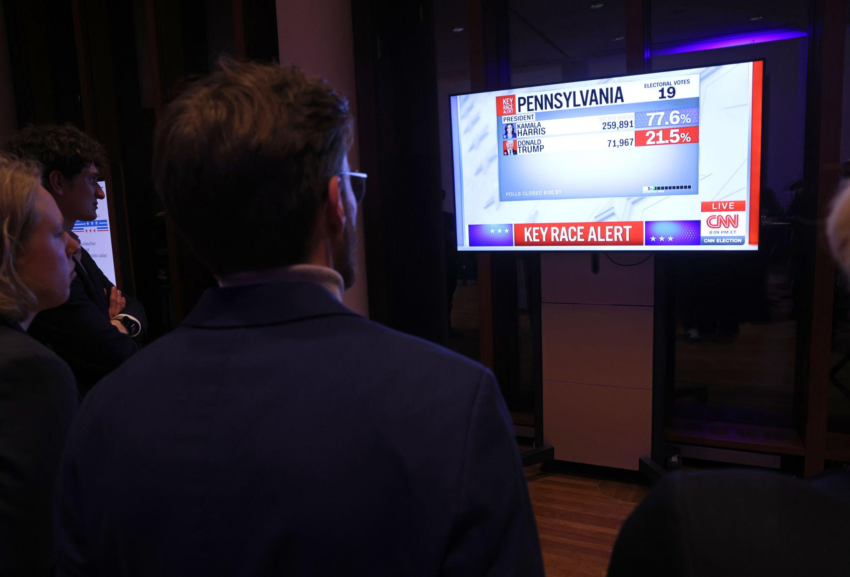
Top U.S. news anchors follow varied paths shaped by journalism fundamentals, on-air credibility, and public accountability. Their careers involve intense scrutiny, evolving media economics, and trust-building in polarized times. This article explores how anchors rise, the pressures they face, how trust is earned or lost, and what the profession reveals about the future of American news.
In the United States, news anchors occupy a rare position at the intersection of journalism, public service, and mass visibility. For millions of Americans, anchors are the most recognizable faces of complex national and global stories—elections, crises, cultural shifts, and moments of collective uncertainty. While the job appears polished on screen, the career paths and daily pressures behind the desk are demanding, highly competitive, and often misunderstood.
This article examines how leading U.S. news anchors build their careers, the professional and personal challenges they navigate, and why public trust remains the profession’s most fragile and valuable currency.

How U.S. News Anchors Typically Begin Their Careers
There is no single path to becoming a top news anchor, but most careers share foundational steps grounded in reporting discipline rather than instant visibility.
Many anchors begin with traditional journalism education, often earning degrees in journalism, communications, or political science. However, newsroom experience matters more than credentials alone. Local reporting—especially in smaller television markets—remains the most common entry point.
Early-career anchors frequently start as:
- General assignment reporters covering city councils, crime, and community issues
- Weekend anchors who report during the week
- Field correspondents learning live reporting under deadline pressure
Local news remains a proving ground where journalists develop essential skills: accuracy, composure, source verification, and the ability to explain complex stories clearly to general audiences.
Several well-known national anchors spent years rotating through regional stations, sometimes relocating every few years to larger markets. This gradual progression allows journalists to refine their voice while building credibility with producers and news directors.
Moving From Local Markets to National Visibility
The transition from local news to national platforms is neither automatic nor guaranteed. Networks look for anchors who combine journalistic rigor with audience relatability.
Performance evaluations extend beyond on-air delivery. Decision-makers closely assess:
- Consistency under breaking-news pressure
- Ability to conduct substantive interviews
- Ethical judgment in politically sensitive coverage
- Audience trust metrics and focus-group feedback
For example, Anderson Cooper began his career reporting from conflict zones before becoming a prime-time anchor. His early field reporting helped establish credibility that later translated to the studio.
Similarly, Lester Holt spent years anchoring local broadcasts and cable news before leading a national nightly newscast. These careers reflect long-term investment in journalistic fundamentals rather than overnight success.
Daily Pressures Behind the Anchor Desk
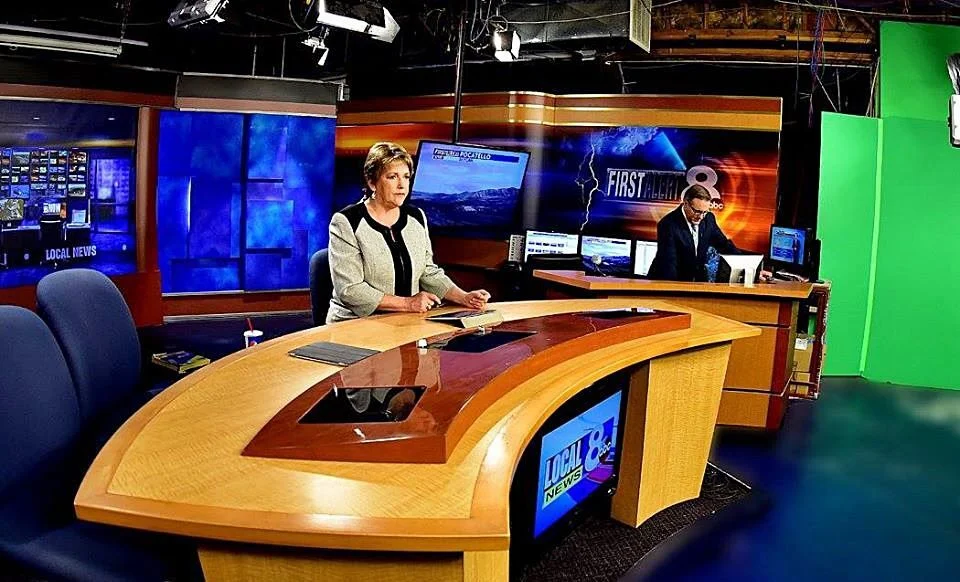
Despite public perception, anchoring is rarely limited to reading a teleprompter. Top anchors are deeply involved in editorial decision-making and preparation.
A typical day may include:
- Early-morning editorial meetings shaping story priorities
- Script reviews and fact-checking discussions
- Pre-interviews with guests and correspondents
- Monitoring developing stories throughout the broadcast
The pressure intensifies during major breaking events—natural disasters, elections, mass shootings—when anchors must convey accurate information while acknowledging uncertainty. Mistakes are highly visible and quickly amplified across social media platforms.
According to Pew Research Center, a majority of Americans now encounter news through multiple platforms simultaneously, increasing the speed at which errors are noticed and shared. Anchors operate under constant scrutiny from both professional critics and the public.
Navigating Political Polarization and Audience Trust
One of the defining challenges for U.S. news anchors today is political polarization. Trust in national media has declined over the past two decades, with public confidence varying sharply along partisan lines.
Anchors must balance:
- Editorial independence
- Network expectations
- Audience skepticism
- Social media amplification of perceived bias
While journalists strive for neutrality, perception often matters as much as intent. Even carefully worded questions or framing choices can trigger criticism from multiple sides.
Research from Gallup consistently shows that trust in mass media remains lower than in previous generations. This environment forces anchors to be increasingly transparent about sourcing, corrections, and editorial standards.
Some anchors address this by explaining journalistic processes on air, while others engage cautiously with audiences through digital platforms to clarify reporting decisions.
The Role of Social Media in Modern Anchor Careers
Social media has transformed how anchors interact with the public. Platforms such as X (formerly Twitter), Instagram, and LinkedIn allow journalists to share reporting context, respond to criticism, and humanize their professional roles.
However, digital visibility carries risks. Anchors face:
- Online harassment and coordinated attacks
- Misinterpretation of personal posts
- Pressure to comment quickly on developing stories
Experienced anchors often maintain clear boundaries, using social platforms primarily to share verified reporting rather than opinions. News organizations increasingly provide training on digital conduct, recognizing its impact on institutional credibility.
Compensation, Contracts, and Career Longevity
Anchor compensation varies widely based on market size, network role, and tenure. While top national anchors earn high salaries, most journalists never reach that tier.
Contracts typically include:
- Performance clauses tied to ratings or audience engagement
- Morality clauses governing public conduct
- Non-compete agreements limiting immediate network changes
Career longevity depends on adaptability. Anchors who successfully transition across platforms—broadcast, digital, streaming—are more likely to sustain long-term relevance.
Some senior anchors gradually shift into mentoring roles, investigative projects, or moderated discussions, extending their careers beyond daily broadcasts.
Gender, Diversity, and Representation in Anchor Roles
Diversity within U.S. newsrooms has improved but remains uneven. Women and journalists of color have gained prominence, yet leadership representation still lags behind audience demographics.
Studies by the Radio Television Digital News Association indicate that diverse anchor teams often increase viewer trust, particularly among younger audiences. Networks increasingly view representation not only as a social responsibility but as a business imperative tied to audience growth.
Anchors from underrepresented backgrounds frequently report additional pressures, including heightened scrutiny and expectations to represent broader communities fairly.
Ethical Standards and Accountability
Ethics remain the backbone of anchor credibility. Professional standards emphasize accuracy, independence, and accountability.
Anchors are expected to:
- Correct errors promptly and visibly
- Disclose conflicts of interest
- Avoid financial or political entanglements
High-profile departures and suspensions in recent years highlight how quickly ethical lapses can end careers. The public nature of anchoring leaves little margin for error, reinforcing the importance of institutional safeguards and personal discipline.
Frequently Asked Questions About U.S. News Anchors
How long does it take to become a national news anchor?
Most national anchors spend 10–20 years building experience across local and regional markets.
Do news anchors write their own scripts?
Anchors collaborate with producers and writers, often editing scripts to match their voice and ensure accuracy.
Are anchors journalists or performers?
They are trained journalists, though presentation skills are essential to effective communication.
How do anchors handle breaking news inaccuracies?
They rely on verification teams and clearly communicate what is confirmed versus developing.
Why do some anchors become polarizing figures?
Visibility, framing choices, and network branding influence public perception.
Do anchors receive security protection?
High-profile anchors sometimes receive security during sensitive coverage or public appearances.
How important are ratings to anchor careers?
Ratings influence contracts but credibility and editorial leadership also matter.
Can anchors switch networks easily?
Contracts and non-compete clauses often limit immediate transitions.
Is local news still relevant for aspiring anchors?
Yes. Local reporting remains the most common and effective training ground.
What the Anchor Profession Reveals About American Media
The careers of top U.S. news anchors reflect broader tensions within American journalism: speed versus accuracy, visibility versus trust, and commercial pressure versus public service. Anchors who endure are rarely those who chase attention, but those who consistently demonstrate clarity, restraint, and accountability.
As audiences fragment and platforms evolve, the anchor’s role continues to shift. Yet the core expectation remains unchanged—helping Americans understand the world with honesty and perspective.
Signals That Define a Trusted Anchor Today
- Demonstrated reporting experience
- Transparent editorial judgment
- Consistent ethical standards
- Calm authority during uncertainty
- Willingness to correct mistakes