

Summary
America’s most recognizable celebrities influence public conversation far beyond movies, music, and television. Through social issues, political engagement, philanthropy, and digital platforms, they help frame national debates, amplify marginalized voices, and shape cultural norms. This article explores how celebrity influence works in practice, why it matters, and what it means for trust, responsibility, and modern civic discourse.
Introduction: From Entertainment to Influence
In the United States, celebrities occupy a unique position in public life. While their fame may originate in entertainment, sports, or media, their influence frequently extends into politics, social movements, public health, and national identity. Americans don’t just watch celebrities—they listen to them, follow their values, and often model opinions after them.
This influence is not accidental. It’s the result of sustained visibility, emotional connection with audiences, and the evolution of media platforms that allow public figures to speak directly to millions. Understanding how celebrities shape public conversation helps explain broader cultural shifts and why certain issues gain traction faster than others.
Why Celebrity Voices Carry Weight in American Culture
Celebrity influence in the U.S. is rooted in trust and familiarity. Americans tend to trust people they feel they “know,” even if that relationship is mediated through screens.
Several factors contribute to this influence:
- Parasocial relationships: Audiences form emotional bonds with public figures over time.
- Media amplification: News outlets and social platforms rapidly circulate celebrity opinions.
- Cultural symbolism: Celebrities often represent aspirational values, success stories, or shared struggles.
- Narrative power: Stories framed by familiar faces feel more relatable and memorable.
According to Pew Research Center, Americans are more likely to engage with social issues when they are introduced through personal narratives rather than abstract data. Celebrities excel at turning complex topics into personal stories.
How Celebrities Shape Social and Political Discourse
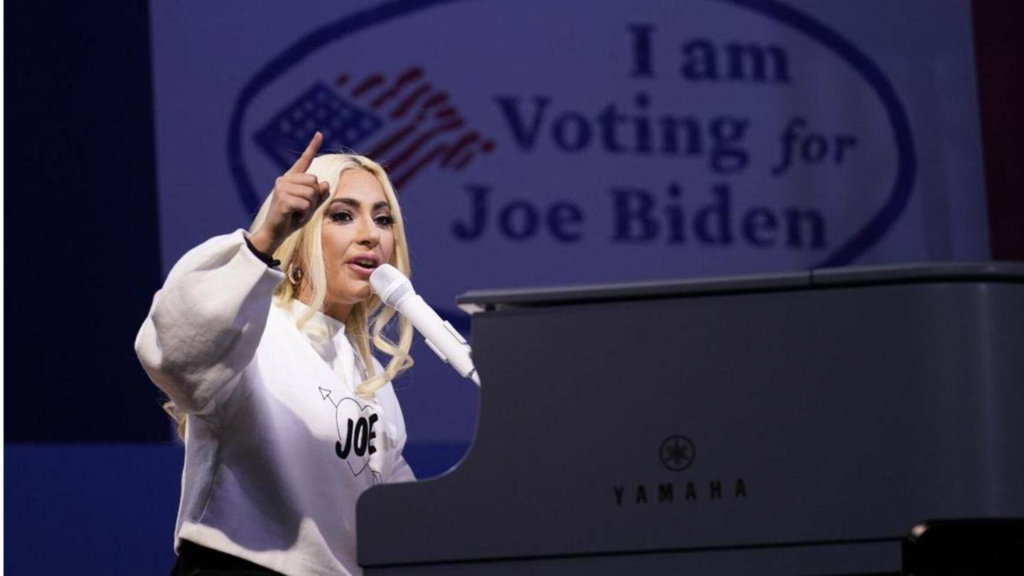
Celebrities increasingly participate in conversations around voting rights, racial justice, gender equality, climate change, and public health. While they are not policymakers, their role as amplifiers can significantly affect awareness and engagement.
Examples of this influence include:
- Encouraging voter registration through public campaigns
- Normalizing discussions around mental health and addiction
- Bringing attention to underreported humanitarian crises
- Supporting grassroots organizations with visibility and funding
Research from Harvard’s Shorenstein Center shows that celebrity-led advocacy campaigns often outperform traditional awareness efforts in reach and engagement, particularly among younger demographics.
The Role of Social Media in Expanding Celebrity Influence
Social media has fundamentally changed how celebrities communicate. Platforms like Instagram, X (formerly Twitter), TikTok, and YouTube allow unfiltered, real-time engagement with audiences.
This direct access enables celebrities to:
- Respond instantly to breaking news
- Share personal experiences that humanize complex issues
- Mobilize audiences for donations or action
- Bypass traditional media gatekeepers
However, this immediacy also comes with risks. Misinformation spreads quickly, and celebrity statements—accurate or not—can influence public opinion before fact-checking occurs.
When Celebrity Advocacy Drives Real-World Change
Celebrity influence is most effective when paired with credible organizations, lived experience, or long-term commitment. One-off statements rarely move the needle, but sustained involvement can.
Successful patterns include:
- Partnering with nonprofit organizations and experts
- Using platforms to elevate affected communities rather than speaking over them
- Backing advocacy with financial support or measurable action
- Remaining consistent even when public attention fades
For example, celebrity involvement has contributed to increased funding for disaster relief, expanded awareness of mental health resources, and shifts in corporate accountability through public pressure.
The Risks and Limitations of Celebrity-Led Conversations
Despite their reach, celebrities are not experts in every field. Overreliance on celebrity voices can oversimplify issues or crowd out qualified professionals.
Common concerns include:
- Overshadowing grassroots activists
- Spreading incomplete or inaccurate information
- Turning complex issues into performative moments
- Polarizing audiences when speaking outside their expertise
American audiences are increasingly discerning. Surveys by Edelman’s Trust Barometer show that trust declines when celebrities appear opportunistic or inconsistent in their advocacy.

How Media Outlets Shape Celebrity Impact
Traditional and digital media play a crucial role in framing celebrity influence. Headlines, interviews, and editorial choices determine whether celebrity commentary is treated as insight, entertainment, or controversy.
Responsible media coverage:
- Provides context and expert perspectives
- Separates opinion from fact
- Avoids sensationalism
- Highlights impact rather than personality
When media outlets prioritize substance over spectacle, celebrity contributions are more likely to add value to public discourse.
What This Means for Audiences
For American readers, understanding celebrity influence is about media literacy. Celebrities can introduce important conversations, but audiences benefit from engaging critically.
Practical ways to navigate celebrity-driven narratives:
- Look for primary sources and expert confirmation
- Distinguish awareness from action
- Support organizations doing the work on the ground
- Recognize emotional appeal without abandoning critical thinking
Celebrity voices can open doors—but informed audiences decide what walks through them.
The Evolving Responsibility of Public Figures
As public trust becomes harder to earn, celebrities face growing expectations. Silence can be interpreted as indifference, while speaking out carries scrutiny. The most effective public figures approach influence as a responsibility rather than a branding opportunity.
This shift reflects a broader cultural change: Americans increasingly value authenticity, accountability, and long-term commitment over viral moments.
Frequently Asked Questions
1. Why do celebrities influence public opinion so strongly in the U.S.?
Because familiarity, emotional connection, and media visibility create trust and attention.
2. Are celebrities more influential than experts?
They often reach larger audiences, but experts provide depth and accuracy; both play different roles.
3. Does celebrity advocacy actually change behavior?
When sustained and credible, it can increase awareness, donations, and civic engagement.
4. Can celebrity involvement harm a cause?
Yes, if it spreads misinformation or overshadows affected communities.
5. How has social media changed celebrity influence?
It allows direct, immediate communication without editorial filters.
6. Do Americans trust celebrities on political issues?
Trust varies by audience, issue, and perceived authenticity.
7. What role do journalists play in celebrity-driven discourse?
They provide context, verification, and balance.
8. Should celebrities stay out of public debates?
There’s no consensus, but responsibility and accuracy matter.
9. How can audiences evaluate celebrity statements?
By checking sources, seeking expert input, and avoiding emotional overreaction.
Where Influence Meets Accountability
Celebrity influence in America is no longer confined to entertainment. It intersects with civic responsibility, cultural leadership, and public trust. As audiences become more informed and skeptical, the most impactful public figures are those who listen, learn, and engage with care—recognizing that visibility is power, and power demands responsibility.
Key Insights for Media-Savvy Readers
- Celebrity influence is driven by trust, familiarity, and media reach
- Social media has expanded both opportunity and risk
- Sustained, informed advocacy matters more than viral moments
- Audiences play an active role in shaping impact