

Summary
Video game characters have evolved from simple avatars into complex reflections of modern audience values. Their design, behavior, and stories reveal shifting expectations around authenticity, representation, emotional depth, and agency. By examining how players connect with characters today, we gain insight into broader cultural changes shaping entertainment, technology, and storytelling in the United States.
Introduction: Characters as Cultural Signals
Video game characters are no longer just tools for gameplay. In today’s US market, they function as cultural signals—mirrors of what audiences value, question, and expect from interactive entertainment. As games have grown into a $184 billion global industry, according to the Entertainment Software Association, character design has become one of the most strategic and revealing aspects of development.
American players now span multiple generations, backgrounds, and motivations. This diversity has fundamentally reshaped how characters are written, animated, voiced, and morally positioned. Studying these characters offers a practical way to understand how audience expectations are changing—not just in gaming, but across digital media as a whole.
From Function to Identity: The Shift in Character Purpose
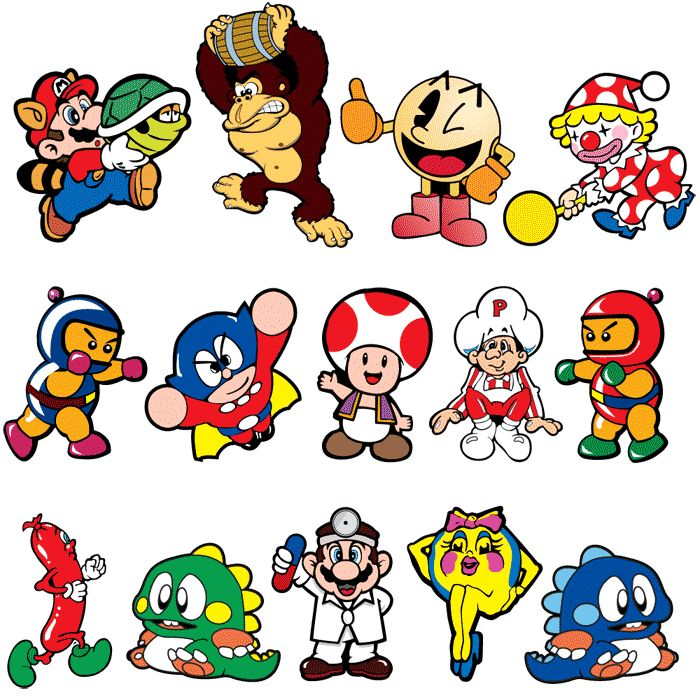
Early video game characters were designed primarily for function. Their purpose was to move, jump, fight, or solve puzzles with minimal narrative context. As technology improved and audiences matured, expectations expanded.
Players now look for characters who feel intentional rather than interchangeable. A character’s motivations, limitations, and personal stakes matter almost as much as gameplay mechanics. This shift reflects a broader cultural move toward identity-driven media, where audiences expect stories—and characters—to acknowledge complexity rather than avoid it.
In the US especially, players increasingly evaluate characters based on how believable their choices feel within the game’s world. A silent or emotionally flat protagonist may still work in certain genres, but it is no longer the default expectation.
Emotional Depth and Relatability Are No Longer Optional
One of the clearest signals of changing audience expectations is the demand for emotional depth. Modern players expect characters to respond realistically to loss, failure, and moral ambiguity.
This does not mean every character must be dramatic or vulnerable at all times. Instead, audiences want emotional consistency. When a character experiences trauma or growth, players expect those experiences to shape future behavior. Games that ignore this continuity risk feeling artificial or dated.
American audiences, in particular, respond strongly to characters who reflect real-world emotional challenges—grief, self-doubt, responsibility, and ethical tension. This mirrors trends seen in prestige television and long-form streaming content, where emotionally layered characters drive engagement and loyalty.
Representation as Expectation, Not Exception
Representation in video games has shifted from a niche discussion to a baseline expectation. Players now notice who is present in a game’s world—and who is missing.
This change is not driven solely by social pressure. It is also rooted in audience sophistication. US players understand that diverse characters create richer worlds and more credible storytelling. They expect character backgrounds, accents, body types, and perspectives to feel researched rather than symbolic.
Importantly, audiences are also sensitive to authenticity. Characters written without cultural understanding or lived context are quickly identified and criticized. This has pushed studios to involve more diverse creative teams and consultants, not as a marketing strategy, but as a quality standard.

Player Agency and Moral Choice Matter More Than Ever
Another major shift in audience expectation is the desire for meaningful agency. Players increasingly want characters whose decisions are shaped by player choice—and whose worlds respond accordingly.
This expectation goes beyond branching dialogue trees. Players want moral decisions to carry weight, even when outcomes are uncomfortable or ambiguous. Characters who always make “correct” choices regardless of player input feel disconnected from modern expectations.
American audiences, shaped by interactive media and social platforms, are accustomed to participation. They expect games to acknowledge their agency not just mechanically, but narratively. Characters serve as the primary interface for that relationship.
Flawed Characters Are More Trustworthy Than Perfect Ones
Perfection has lost its appeal in character design. Modern audiences tend to distrust characters who are morally pure, emotionally invulnerable, or consistently successful.
Instead, players gravitate toward characters with limitations—those who make mistakes, misjudge situations, or struggle internally. These flaws create credibility and invite empathy. They also reflect real-world experiences more accurately than idealized heroism.
This shift aligns with broader US media trends, where antiheroes and morally complex leads have replaced traditional archetypes. In games, this translates into protagonists who are shaped by context rather than destiny.
Long-Term Character Arcs Reflect Player Investment
Games are increasingly designed as long-term experiences, whether through sequels, expansions, or live-service models. As a result, audiences expect character arcs to evolve over time.
Players who invest dozens—or hundreds—of hours into a character expect growth, regression, or transformation that feels earned. Static characters undermine this investment. Evolving characters, by contrast, reward loyalty and deepen emotional connection.
This expectation has influenced how studios approach sequels and franchises. Characters are no longer reset between installments; their past decisions and relationships matter.
Practical Examples of Changing Expectations in Action
Well-designed video game characters often demonstrate several of these expectations simultaneously. For example:
- The Last of Us presents characters whose emotional reactions to trauma shape gameplay and narrative pacing.
- Mass Effect emphasizes player agency through character relationships and long-term consequences.
- Red Dead Redemption explores moral ambiguity and personal decline in ways that resonate with adult audiences.
These examples are not successful simply because of high production value. They succeed because they align with what modern audiences expect from character-driven storytelling.
What This Means for Developers, Writers, and Brands
Understanding changing audience expectations is not only relevant to game studios. Brands, marketers, and media creators increasingly collaborate with gaming franchises and characters.
Characters that feel authentic, emotionally grounded, and culturally aware are more likely to sustain trust across platforms. Those that feel performative or outdated struggle to maintain relevance.
For creators, the lesson is clear: character design is no longer a secondary concern. It is a strategic decision that affects engagement, reputation, and long-term value.

Frequently Asked Questions
Why do video game characters matter so much to players today?
Because characters serve as emotional anchors, helping players connect meaningfully to the game’s world and themes.
Are modern players more critical of character writing?
Yes. Increased media literacy and exposure to high-quality storytelling have raised expectations.
Do players prefer realism over fantasy in characters?
Not necessarily realism, but internal consistency and emotional credibility.
How has representation changed character design?
Representation is now expected to be authentic and integrated, not symbolic or superficial.
Why is player choice so important in modern games?
Agency reinforces immersion and gives players a sense of ownership over the story.
Are flawed characters more popular than heroic ones?
Often, yes. Flaws create relatability and narrative tension.
Do younger and older players want different character traits?
Preferences vary, but emotional depth and authenticity appeal across age groups.
How do sequels affect character expectations?
Players expect continuity and growth rather than narrative resets.
What role does voice acting play in character perception?
High-quality voice acting significantly enhances credibility and emotional impact.
Where Expectations Are Headed Next
Audience expectations will continue to evolve as technology, culture, and interactivity advance. Characters will likely become even more responsive, personalized, and socially aware. For players, this means deeper immersion. For creators, it means greater responsibility.
Video game characters are no longer just entertainment. They are reflections of how audiences see themselves—and how they want stories to acknowledge their complexity.
Key Signals to Watch Going Forward
- Characters designed around emotional continuity
- Increased demand for meaningful choice
- Greater scrutiny of representation and authenticity
- Long-term narrative accountability across franchises
- Rising expectations for voice, animation, and behavioral realism