

Summary
Video game characters have evolved from simple pixel shapes into emotionally complex, story-driven personalities. This article traces that transformation across technology, design philosophy, and player expectations—showing how advancements in graphics, writing, and performance turned digital avatars into cultural figures that shape how Americans play, connect, and identify with games today.
Video game characters were not always the richly imagined figures players recognize today. Early games offered little more than moving shapes, limited by hardware and design priorities that focused on mechanics rather than narrative. Over the past five decades, however, characters have evolved into central storytelling devices—capable of conveying emotion, moral complexity, and cultural meaning.
For American audiences, this evolution mirrors broader shifts in entertainment, technology, and expectations. As games moved from arcades into living rooms and eventually onto online platforms, players began to expect characters who felt as real and thoughtfully constructed as those in films or television.
This transformation did not happen overnight. It unfolded through distinct technological and creative eras, each expanding what characters could represent and how players related to them.

When Pixels Were Enough: Characters as Symbols, Not Personalities
In the late 1970s and early 1980s, video game characters existed primarily as functional symbols. Hardware constraints meant that characters were often made of a handful of pixels, with little room for facial expression or individuality. Their purpose was clarity—helping players understand what they controlled on screen.
A classic example is Pac-Man, whose design prioritized visibility and movement over storytelling. The character had no backstory, dialogue, or emotional arc. Yet Pac-Man became iconic because players projected meaning onto him. His simplicity invited imagination.
This era established a crucial foundation: characters did not need realism to resonate. They needed clarity, consistency, and memorability.
The Rise of Recognizable Heroes in the Console Era
The 1980s and early 1990s brought home consoles into millions of American households, dramatically expanding the audience for games. With improved graphics and storage, developers could create characters with recognizable identities and recurring roles.
Characters like Super Mario demonstrated how visual cues—distinct clothing, animations, and sound effects—could communicate personality without dialogue. Mario’s optimism and resilience were conveyed through movement rather than words.
This period introduced several important shifts:
- Characters became consistent across titles, forming franchises
- Visual design began to imply personality traits
- Players started to associate characters with values such as heroism or humor
While still limited, characters were no longer interchangeable. They were becoming brands—and, increasingly, emotional anchors.

Narrative Enters the Picture: Story-Driven Characters Take Shape
As storage media improved in the 1990s, particularly with CDs and later DVDs, games gained space for dialogue, music, and cinematic storytelling. This allowed characters to evolve beyond archetypes.
Titles such as Final Fantasy VII introduced protagonists with detailed backstories, internal conflicts, and emotional growth. Characters like Cloud Strife reflected themes of identity, trauma, and responsibility—concepts that resonated with a maturing player base in the U.S.
This era marked a turning point where characters were written, not just designed. Writers, not only programmers, became central to game development. Players were no longer just completing levels; they were following character arcs.
3D Worlds and Emotional Expression
The transition to 3D graphics in the late 1990s and early 2000s fundamentally changed character presentation. Facial animations, body language, and camera angles allowed developers to express emotion visually for the first time.
Characters such as Lara Croft showcased how movement, voice acting, and cinematic framing could define personality. Over time, her portrayal evolved in response to player feedback, cultural conversations, and industry maturity—illustrating how characters could adapt alongside audiences.
This period also saw:
- Increased use of professional voice actors
- Cinematic cutscenes inspired by Hollywood
- Characters designed to feel physically present in the game world
Characters began to feel observed rather than imagined.
Performance Capture and the Humanization of Characters
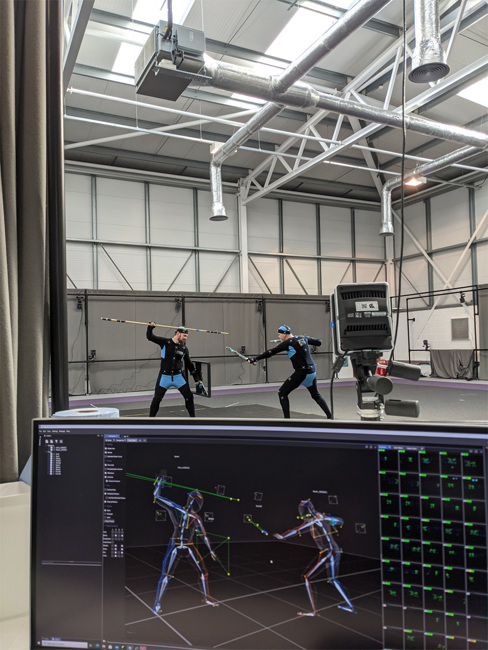
One of the most significant advancements in character development has been performance capture—recording an actor’s facial expressions, voice, and movement simultaneously. This technique bridged the gap between live-action acting and digital animation.
Games like The Last of Us demonstrated how nuanced performances could elevate characters into emotionally believable figures. Joel and Ellie are often cited by critics as examples of characters whose emotional depth rivals that of film protagonists.
According to industry reports from organizations like the Entertainment Software Association, story-driven games consistently rank among the most valued experiences for American players, particularly adults over 30. Characters are now a primary reason players invest time and money in a game.
Player Choice and Identity Projection
Modern games increasingly allow players to shape characters through choices, dialogue options, and moral decisions. This design approach recognizes that players want agency—not just control over movement, but influence over who a character becomes.
Role-playing games and open-world titles enable players to project values, ethics, and personal identity onto their characters. This creates a collaborative form of authorship between developer and player.
Common design elements include:
- Branching dialogue systems
- Morality or reputation mechanics
- Customizable appearance and background
These systems reinforce emotional investment because players feel partially responsible for the character’s actions and outcomes.
Cultural Representation and Expanding Perspectives
As the U.S. gaming audience has grown more diverse, so have expectations around representation. Developers are increasingly mindful of how characters reflect gender, race, age, and lived experience.
Characters are now expected to feel authentic rather than symbolic. This shift has led to deeper consultation with writers, cultural advisors, and actors who bring real-world experience into character creation.
While progress is uneven, the trend signals that characters are no longer just gameplay tools—they are cultural messengers.
Why Video Game Characters Matter More Than Ever
Today, video game characters influence how stories are told across media. Successful characters appear in television adaptations, films, books, and merchandise. More importantly, they shape how players understand empathy, choice, and consequence in interactive environments.
For American audiences, characters serve as:
- Emotional entry points into complex narratives
- Vehicles for exploring ethical decisions
- Long-term companions across multi-year franchises
As technology continues to advance, the line between digital character and human performance grows increasingly thin.
Frequently Asked Questions
How did early hardware limit video game characters?
Limited memory and processing power restricted detail, animation, and storytelling, forcing characters to remain simple and symbolic.
When did storytelling become important in video games?
Storytelling gained prominence in the mid-1990s as storage media allowed dialogue, music, and cinematic sequences.
Why are modern video game characters more emotional?
Advances in animation, voice acting, and performance capture enable nuanced emotional expression.
Do players care more about characters than gameplay?
Most players value both, but strong characters significantly increase emotional engagement and long-term loyalty.
How does player choice affect character development?
Choice-driven systems allow players to shape personality, morality, and narrative outcomes.
Are video game characters influenced by film and TV?
Yes. Cinematic techniques and professional actors have heavily influenced modern character design.
Why is representation important in character creation?
Authentic representation helps broader audiences see themselves reflected and increases narrative credibility.
Can video game characters be considered cultural icons?
Many characters have achieved icon status due to longevity, recognition, and cross-media presence.
Will AI change how characters are written?
AI may assist with dialogue and behavior systems, but human writers remain essential for emotional authenticity.
A Medium Defined by Who We Play As
The evolution of video game characters reflects a broader truth about interactive media: players do not just play games—they inhabit them. Characters are the bridge between mechanics and meaning, turning digital challenges into personal experiences. As long as games continue to grow as a storytelling medium, characters will remain at the heart of why they matter.
Key Shifts That Shaped Modern Game Characters
- Movement from symbolic designs to written personalities
- Adoption of cinematic storytelling techniques
- Integration of performance capture and voice acting
- Increased player agency and customization
- Growing emphasis on cultural authenticity