
Summary
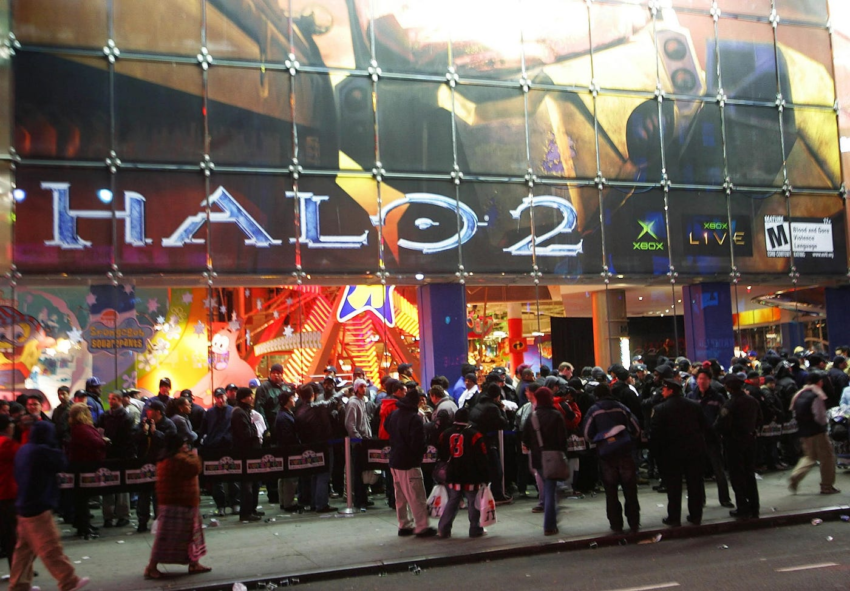
Video game characters have evolved from simple avatars into cultural figures with influence rivaling movie icons. Driven by interactive storytelling, long-term audience engagement, and global digital platforms, these characters shape identity, fandom, and media consumption in the US—often more persistently than traditional film heroes.
The Shift From Passive Viewing to Active Participation
For much of the 20th century, movie characters defined popular culture in the United States. Audiences watched, admired, quoted, and moved on. Video games changed that relationship. Instead of observing a character’s journey, players participate in it—sometimes for hundreds of hours over many years.
This interactivity creates a fundamentally different bond. When players guide a character through success, failure, moral choices, and personal growth, the character becomes associated with the player’s own experiences. Cultural psychologists often describe this as co-authorship: the audience doesn’t just consume the story, they help create it.
That difference explains why modern game characters resonate so deeply. They aren’t just remembered; they’re lived with.
Time Spent Builds Deeper Cultural Memory
One major reason video game characters now rival movie icons is sheer exposure time. A two-hour film can introduce a memorable character, but a single video game can involve:
- 30–60 hours for a story-driven title
- Hundreds of hours for open-world or online games
- Years of recurring interaction through sequels, updates, and expansions
According to data from Nielsen and the Entertainment Software Association, the average American gamer spends multiple hours per week engaged with games, often returning to the same characters repeatedly over long periods. This sustained exposure allows characters to evolve alongside their audience, something most film franchises struggle to achieve.
As a result, game characters often feel less fictional and more familiar—closer to long-running TV protagonists than to traditional movie heroes.

Interactive Storytelling Creates Emotional Investment
Movies rely on strong writing and performance to elicit emotion. Games add responsibility. When players make decisions as the character, emotional consequences feel personal.
Modern narrative design allows characters to respond to player choices, adapt their tone, or even change their fate. This creates emotional stakes that movies cannot replicate. When a player succeeds, fails, or sacrifices something, the memory attaches not just to the character, but to the player’s own agency.
Common emotional triggers unique to gaming include:
- Responsibility for protecting other characters
- Moral ambiguity driven by player choice
- Failure that feels earned, not scripted
- Growth systems that mirror personal progress
These mechanics transform characters into emotional anchors rather than distant icons.
Gaming Is Now a Dominant US Entertainment Industry
The cultural rise of video game characters mirrors the economic rise of gaming itself. In the United States, video games now generate more annual revenue than movies and music combined, according to industry analyses from the ESA and Statista.
This scale matters. Larger industries produce:
- More content
- More cultural visibility
- More cross-media adaptation
- More influence on language, fashion, and identity
As gaming became mainstream across age groups, game characters entered everyday American life—not just among teens, but across families, workplaces, and social spaces.
Cross-Media Expansion Amplifies Visibility
Video game characters no longer live only inside consoles. They appear across media ecosystems that reinforce cultural relevance:
- Film and television adaptations
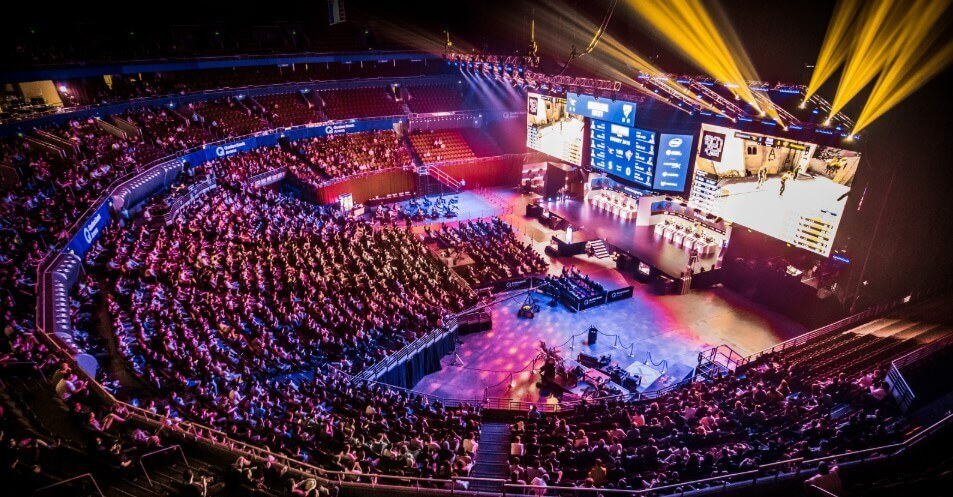
- Streaming platforms and esports broadcasts
- Merchandise, apparel, and collectibles
- Social media memes and fan art
- Theme parks and live events
When characters exist simultaneously in games, shows, YouTube content, and TikTok discussions, they gain the same omnipresence once reserved for movie stars.
Importantly, many audiences now encounter game characters before seeing their adaptations, reversing the traditional pipeline where films led and games followed.
Communities Turn Characters Into Cultural Symbols
Fandom plays a critical role in cultural impact. Gaming communities are uniquely participatory, producing content that extends characters beyond official narratives.
These communities:
- Debate character motivations and ethics
- Create fan fiction, mods, and artwork
- Build lore explanations and timelines
- Keep characters relevant between releases
Because players often identify with characters through gameplay choices, discussions feel personal rather than speculative. The character becomes a shared cultural reference point—a symbol for perseverance, rebellion, humor, or moral struggle.
This collective interpretation gives characters cultural weight independent of their creators.
Streaming and Esports Accelerate Character Recognition
Platforms like Twitch and YouTube have transformed how Americans discover game characters. Millions encounter them not by playing, but by watching others play, analyze, and react.
This exposure:
- Introduces characters to non-gamers
- Reinforces personality through live commentary
- Creates shared moments across audiences
Esports further elevate characters by associating them with elite performance, rivalries, and high-stakes competition. Over time, characters become inseparable from the cultural memory of iconic matches and personalities.
Generational Identity and Digital Natives
For Millennials and Gen Z, video games weren’t a novelty—they were foundational. Characters encountered during formative years often become markers of identity, similar to how older generations remember classic film stars.
Unlike movie icons, many game characters:
- Age with their audience through sequels
- Reflect evolving social values
- Adapt to new technology without being replaced
This continuity helps explain why younger Americans may reference game characters more readily than film heroes when discussing culture, morality, or personal influence.
Why Movie Icons Haven’t Disappeared—But Must Share Space
Movie characters still matter. What has changed is exclusivity. Film no longer holds a monopoly on cultural icons.
Video game characters thrive because they offer:
- Longer engagement
- Personal agency
- Community participation
- Ongoing relevance
Rather than replacing movie icons, they coexist—often influencing each other. Today’s cultural landscape is hybrid, interactive, and audience-driven.

Frequently Asked Questions
Why do video game characters feel more personal than movie characters?
Because players actively control decisions and outcomes, creating personal emotional investment.
Are video game characters more influential with younger Americans?
Yes. Younger audiences grew up gaming, making these characters part of their formative cultural experience.
Do video games really outperform movies in cultural reach?
In revenue and engagement time, yes—especially in the US market.
How do streaming platforms affect character popularity?
They expand visibility beyond players and reinforce character personalities through shared viewing.
Can non-gamers recognize video game characters today?
Increasingly so, due to cross-media adaptations and social media exposure.
Do game characters last longer than movie characters?
Often, because they evolve through sequels and live-service updates.
Is interactivity the main difference?
It’s the most significant factor, but community and longevity also matter.
Will this trend continue?
Yes, as technology deepens immersion and storytelling complexity.
Where Digital Heroes Now Stand
Video game characters have earned their cultural standing through time, agency, and shared experience. They aren’t replacing movie icons—they’re redefining what it means to matter in a media landscape shaped by participation rather than observation.
Snapshot of Key Insights
- Interactive storytelling deepens emotional connection
- Long-term engagement builds cultural memory
- Streaming and communities amplify recognition
- Gaming’s scale supports sustained relevance
- Characters grow alongside their audiences