
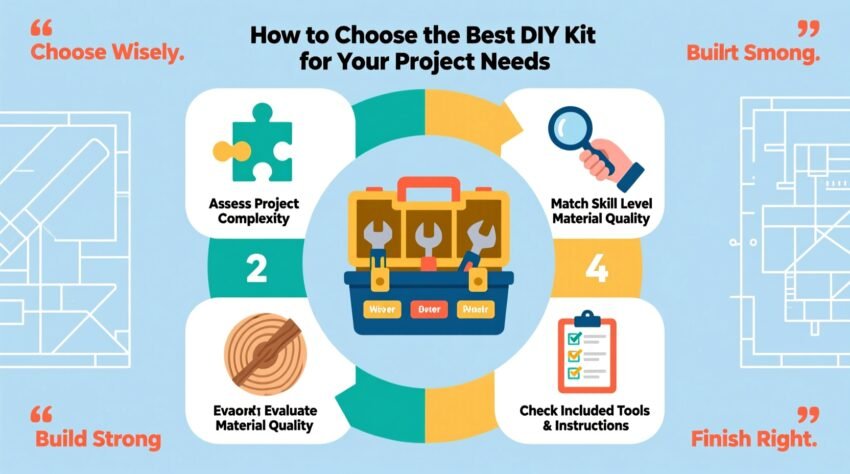
Choosing the right DIY project requires more than enthusiasm. It demands honest assessment of skill level, time availability, tools, safety requirements, and long-term goals. By aligning project complexity with experience and desired outcomes—whether saving money, increasing home value, or building skills—homeowners can avoid costly mistakes and complete improvements with confidence.
DIY culture is stronger than ever in the United States. Rising labor costs and widespread access to online tutorials have encouraged homeowners to tackle more projects independently. According to the U.S. Census Bureau, Americans spend hundreds of billions of dollars annually on home improvements and repairs. A growing portion of that work is completed without contractors.
But one question consistently surfaces:
How do I know if a DIY project is right for me?
Choosing the wrong project can lead to frustration, overspending, safety risks, and even reduced property value. Choosing the right one builds confidence, saves money, and improves your home’s function.
This guide will help you evaluate skill level, define goals, assess risk, and make informed decisions before starting your next project.
Step 1: Clarify Your Primary Goal
Not all DIY projects serve the same purpose. Before considering difficulty, define your objective.
Common homeowner goals include:
- Saving money on labor
- Increasing resale value
- Improving daily functionality
- Learning new skills
- Updating aesthetics
For example, if your primary goal is resale value, minor kitchen and bathroom updates often provide measurable impact. The National Association of Realtors reports that small-scale upgrades can improve buyer perception, especially when professionally finished.
If your goal is skill-building, you may intentionally choose moderately challenging projects that expand your abilities without overwhelming you.
Clear objectives prevent scope drift.
Step 2: Honestly Assess Your Skill Level
Many homeowners overestimate their readiness for complex tasks. Skill level is not about intelligence—it’s about experience and tool familiarity.
Consider three categories:
Beginner-Level
- Painting
- Replacing cabinet hardware
- Installing basic shelving
- Weatherstripping
These projects involve minimal structural impact and low safety risk.
Intermediate-Level
- Installing laminate flooring
- Replacing light fixtures
- Minor drywall repair
- Installing backsplashes
These require measurement precision and familiarity with tools.
Advanced-Level
- Electrical panel upgrades
- Structural wall modifications
- Major plumbing rerouting
- Full tile shower installations
Projects involving load-bearing walls or complex wiring often require professional oversight.
The National Fire Protection Association reports that electrical failures remain a leading cause of home fires. If a project involves extensive electrical work, realistic self-assessment is critical.
Step 3: Evaluate Time Constraints
A project that matches your skill level may still fail if it exceeds your available time.
Ask yourself:
- Can I dedicate uninterrupted blocks of time?
- What happens if this project runs long?
- Will essential rooms remain functional?
Weekend-only DIYers should prioritize contained projects. Larger renovations often extend beyond initial estimates.
The U.S. Bureau of Labor Statistics notes that full-time workers have limited weekday availability. Underestimating time commitment is one of the most common causes of DIY frustration.
Step 4: Consider Risk and Safety
Not all risks are obvious. Safety concerns include:
- Electrical shock
- Water damage
- Structural instability
- Mold exposure
The U.S. Consumer Product Safety Commission tracks thousands of home improvement injuries annually.
Before choosing a project, determine:
- Does this require permits?
- Could a mistake cause property damage?
- Are specialized inspections required?
If errors could compromise safety, consider professional involvement.
Step 5: Match Projects to Long-Term Plans
Your home improvement strategy should align with your timeline.
If you plan to sell within two years, focus on:
- Cosmetic refreshes
- Neutral paint colors
- Minor kitchen updates
- Curb appeal improvements
If you plan to stay long-term, you may prioritize:
- Energy efficiency upgrades
- Storage optimization
- Functional improvements
The U.S. Department of Energy emphasizes the long-term cost benefits of air sealing and insulation improvements—projects that may not be visually dramatic but improve comfort and efficiency.
Goal alignment prevents wasted effort.
Step 6: Inventory Your Tools and Workspace
Tool availability shapes project feasibility.
Basic DIY toolkit:
- Drill
- Level
- Tape measure
- Screwdrivers
- Safety glasses
- Stud finder
Projects requiring specialty tools—tile saws, pipe threaders, advanced testing equipment—may increase costs significantly if purchased solely for one use.
Renting tools can bridge skill gaps without large investments.
Step 7: Understand Building Codes and Permits
Many homeowners search:
“Do I need a permit for this project?”
Permit requirements vary by municipality, but common triggers include:
- Electrical circuit additions
- Structural modifications
- Plumbing rerouting
- Major deck construction
Skipping permits can complicate resale and insurance claims.
Consult your local building department before starting complex work.
Step 8: Start Small and Build Momentum
Experienced DIYers consistently recommend beginning with smaller projects to develop confidence and workflow discipline.
Skill-building progression might look like:
- Paint a room
- Install floating shelves
- Replace bathroom vanity faucet
- Install laminate flooring
Each step builds tool familiarity and measurement precision.
Incremental progress reduces risk.
Practical Example: Choosing Between Two Projects
Imagine you want to upgrade your bathroom.
Option A: Replace cabinet hardware and repaint.
Option B: Install a new tiled shower surround.
If you have limited tiling experience and only two weekends available, Option A likely matches your current capacity. Option B may require advanced waterproofing knowledge and precise cutting tools.
Choosing projects aligned with skill and schedule increases completion rates and satisfaction.
Questions to Ask Before Committing
Before starting any DIY project, ask:
- What is my realistic experience level?
- Do I fully understand the process?
- What happens if I make a mistake?
- Does this align with my financial goals?
- Do I have time to complete it properly?
Clear answers reduce regret.
Frequently Asked Questions
1. How do I know if I’m ready for a complex DIY project?
Start with smaller related tasks and evaluate your comfort level with tools and measurements.
2. Should beginners attempt electrical work?
Basic fixture replacement may be manageable, but complex wiring should involve a licensed professional.
3. How do I avoid overestimating my skills?
Watch multiple tutorials and review written guides before committing.
4. What projects add the most value?
Minor kitchen and bathroom updates often improve buyer perception.
5. Is DIY always cheaper than hiring a contractor?
Not if mistakes require professional correction.
6. How can I gain experience safely?
Practice on low-risk cosmetic projects first.
7. Are permits expensive?
Permit fees vary but are generally less costly than fixing code violations.
8. Can DIY reduce home value?
Poor workmanship can negatively affect buyer confidence.
9. What if I feel overwhelmed mid-project?
Pause, reassess scope, and consult a professional if necessary.
Choosing With Confidence Instead of Guesswork
The most successful DIY projects begin with thoughtful evaluation. Matching your experience, tools, timeline, and goals prevents unnecessary stress and expense.
DIY should enhance your home—and your confidence—not create setbacks. When projects align with skill level and long-term objectives, progress feels manageable and rewarding.
Smart selection is the foundation of successful home improvement.
A Clear Path Forward
- Define your goal first
- Assess skill level honestly
- Consider time and safety
- Align projects with long-term plans
- Confirm permit requirements
- Start small and build experience
- Invest in essential tools
- Avoid projects beyond your current capacity