
Summary
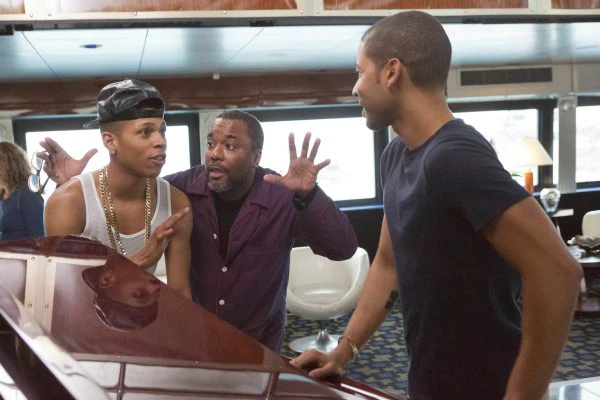
A new generation of American film directors is reshaping cinema without blockbuster spectacle or celebrity branding. Through subtle visual language, grounded storytelling, and close collaboration with actors and cinematographers, these filmmakers are influencing how modern movies look, feel, and resonate—often without widespread name recognition.
A Subtle Shift in American Filmmaking
Modern American cinema is changing—but not always in ways that are immediately visible to casual audiences. While franchise films and global box office numbers dominate headlines, a quieter group of directors is reshaping the visual grammar, pacing, and emotional texture of contemporary film.
These filmmakers aren’t defined by spectacle or signature gimmicks. Instead, they are influencing cinema through restraint: natural lighting, intimate camera work, emotionally grounded performances, and storytelling choices that prioritize realism over formula. Their work is increasingly present across independent films, prestige studio projects, and streaming originals that reach millions of U.S. viewers each year.
Understanding who these directors are—and how they work—offers valuable insight into where American cinema is headed.
What Does “Quiet Influence” Really Mean?
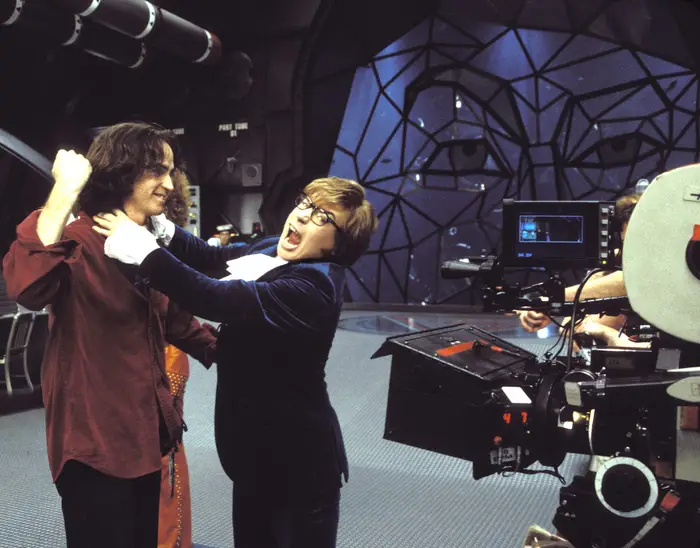
In the current media environment, influence is often measured by visibility: social media following, box office numbers, or awards buzz. But many of today’s most impactful directors operate outside those metrics.
Quiet influence typically shows up in:
- Visual styles adopted by other filmmakers
- Narrative approaches repeated across unrelated films
- Actor performances that feel unusually natural or unforced
- Streaming projects that feel more cinematic than episodic
Rather than creating instantly recognizable “brands,” these directors shape industry norms. Their techniques spread through film schools, cinematographer collaborations, and studio hiring patterns—often without audiences knowing their names.
The Aesthetic of Modern American Realism
One defining trend in contemporary U.S. cinema is a move toward realism—both visual and emotional. This doesn’t mean documentaries or minimalist films, but rather stories that feel lived-in, grounded, and psychologically believable.
Directors contributing to this shift often emphasize:
- Naturalistic lighting over stylized setups
- Handheld or restrained camera movement
- Longer takes that allow performances to breathe
- Location shooting instead of controlled sets
These choices reflect broader cultural preferences. According to industry surveys from organizations like the Directors Guild of America and Sundance Institute, audiences increasingly value authenticity and emotional credibility over visual excess—especially in dramas and character-driven stories.
Directors Redefining Visual Storytelling Without Flash
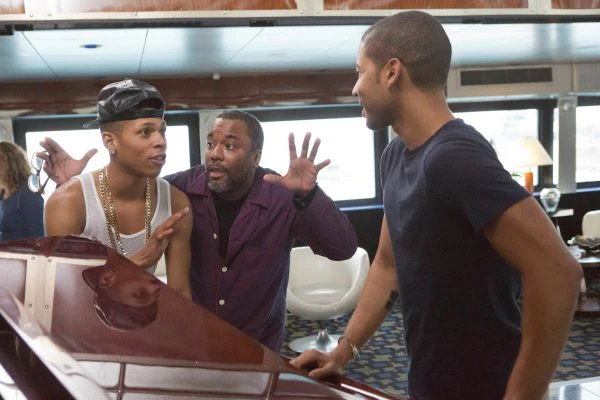
Several contemporary American directors exemplify this approach:
- Kelly Reichardt
Known for films like Certain Women and First Cow, Reichardt uses minimal dialogue and quiet observation to explore American identity, labor, and isolation. Her influence is especially strong among independent filmmakers and film school curricula. - Barry Jenkins
While widely respected, Jenkins’ impact goes beyond awards. His use of color, framing, and emotional pacing—particularly in Moonlight—has shaped how intimacy and masculinity are portrayed in modern cinema. - Chloé Zhao
Zhao’s blending of non-actors with professionals and her documentary-influenced visuals in Nomadland have affected how studios approach authenticity, even in larger productions.
These directors rarely chase spectacle. Instead, they refine cinematic language in ways that subtly alter audience expectations.
Collaboration as a Creative Foundation
One overlooked reason these directors are influential is how they collaborate. Their working styles tend to flatten traditional hierarchies and prioritize trust—especially with cinematographers, editors, and actors.
Common collaboration patterns include:
- Long-term partnerships with the same cinematographer
- Extensive rehearsal periods focused on character rather than blocking
- Flexibility on set to capture unplanned moments
For example, Jenkins’ repeated collaborations with cinematographer James Laxton have helped normalize expressive lighting that serves emotional tone rather than realism alone. This approach is now visible in many prestige dramas and limited series across U.S. streaming platforms.
Streaming Platforms and the Rise of Quiet Cinema
Streaming has played a major role in amplifying these directors’ influence. Unlike traditional theatrical releases, streaming platforms allow audiences to discover films without marketing saturation or opening-weekend pressure.
Data from Nielsen and Parrot Analytics shows that character-driven dramas often have longer engagement lifespans on streaming than in theaters. This environment rewards directors who focus on mood, performance, and thematic depth rather than immediate spectacle.
As a result, filmmakers with quieter styles are increasingly entrusted with:
- Limited series adaptations
- Mid-budget studio dramas
- Awards-oriented streaming originals
This has shifted industry power away from only blockbuster-oriented directors.
How These Directors Influence Actors and Performances
Another major area of impact is performance style. Films shaped by these directors often feature acting that feels less “performed” and more observed.
Actors working under this direction frequently describe:
- Reduced emphasis on marks and blocking
- Dialogue delivered conversationally rather than theatrically
- Space for silence and nonverbal expression
This approach has influenced acting trends across American film and television. Many U.S. casting directors now cite “naturalism” as a top priority—reflecting the stylistic preferences set by these filmmakers.
Why Audiences Respond—Even Without Knowing Why
Most viewers couldn’t name these directors, yet they respond strongly to the films they make. That’s because quiet influence operates below conscious recognition.
Audiences often describe these films as:
- “Honest”
- “Immersive”
- “Emotionally real”
- “Different, but in a good way”
These reactions signal trust. In a media environment crowded with content, trust is one of the most valuable currencies—and these directors are helping rebuild it.
Frequently Asked Questions
1. Why don’t these directors get as much public attention?
Their films often prioritize substance over spectacle, which leads to less marketing hype and fewer mainstream interviews.
2. Are these directors mostly independent filmmakers?
Many start in independent film but later work with studios or streaming platforms while maintaining their style.
3. How do they influence other filmmakers?
Through film festivals, film schools, shared collaborators, and industry hiring trends.
4. Is this style replacing blockbuster cinema?
No. It exists alongside blockbusters, offering an alternative rather than a replacement.
5. Why is realism so popular right now?
Cultural fatigue with formulaic storytelling has increased demand for authenticity and emotional credibility.
6. Do streaming platforms favor this style?
Yes, because these films tend to generate sustained engagement rather than short-term spikes.
7. Are these directors mostly American-trained?
Many are, though their influences are often international.
8. How does this affect younger filmmakers?
Film students increasingly study these directors’ work as models for sustainable careers.
9. Will this trend continue?
As long as audiences value trust and realism, these approaches are likely to remain influential.
Where This Quiet Influence Is Leading American Film
The future of American cinema isn’t being shaped solely by franchises or technological leaps. It’s also being shaped by directors who focus on human experience, visual restraint, and collaborative storytelling.
Their influence is cumulative rather than explosive. Scene by scene, film by film, they are redefining what audiences expect from serious American movies—often without drawing attention to themselves.
That quiet consistency may prove to be their greatest legacy.
Signals Worth Noticing Going Forward
- American cinema is increasingly performance-driven rather than plot-driven
- Visual restraint is becoming a marker of prestige, not limitation
- Directors with collaborative reputations are gaining more creative control
- Audiences are rewarding emotional clarity over narrative complexity