
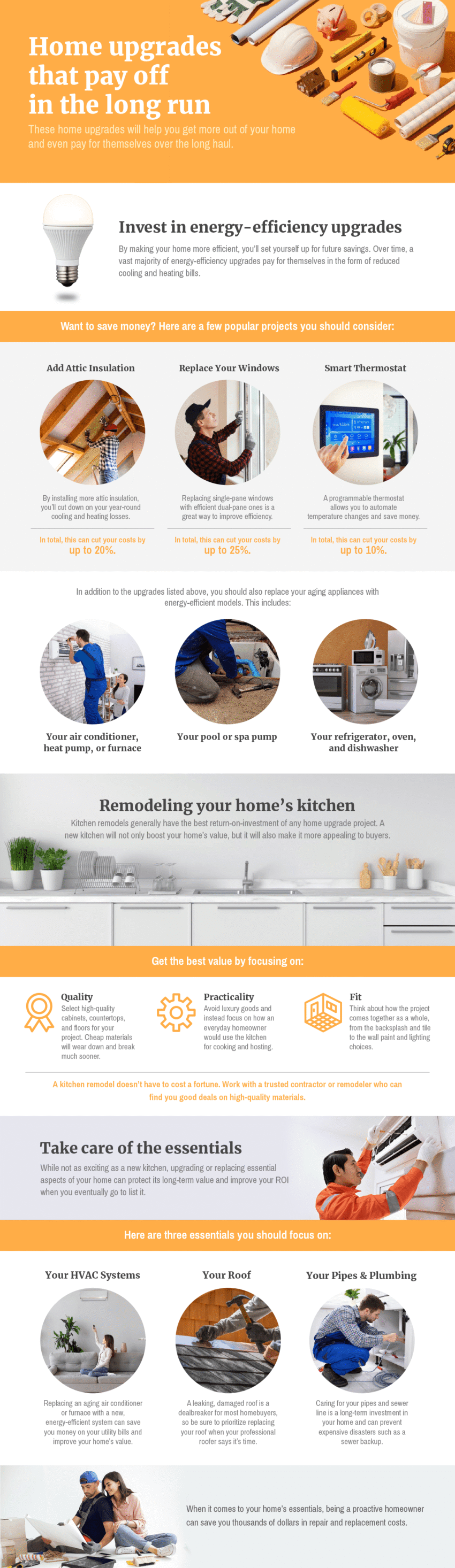
Not every DIY project increases home value—or improves daily living. This guide breaks down which upgrades consistently pay off, which often fall short, and why. Drawing from housing data, building science principles, and real-world experience, it helps homeowners invest time and money where returns—financial and functional—are most likely.
Understanding What “Pay Off” Really Means
When homeowners ask, Which DIY projects add the most value?, they’re usually thinking about resale price. But value isn’t just financial. A project can “pay off” in three measurable ways:
- Increased resale appeal
- Lower operating costs
- Improved daily functionality
According to the National Association of Realtors, buyers consistently prioritize homes that feel well maintained and energy efficient. Meanwhile, the annual Cost vs. Value Report from Remodeling Magazine shows that modest exterior upgrades and system improvements often outperform large luxury remodels in percentage return.
The key is understanding why certain projects work—and why others don’t.
What Works: DIY Improvements That Deliver Consistent Returns
1. Fresh, Neutral Interior Paint
Painting remains one of the most cost-effective upgrades available to homeowners. Neutral tones make rooms feel larger, brighter, and move-in ready. Unlike bold accent walls or personalized color schemes, soft whites, greiges, and warm beiges appeal to a broad audience.
Why it works:
- Low material cost
- High visual impact
- Immediate perception of maintenance
Poor paint jobs, however, undermine value. Proper prep—patching holes, sanding, priming—is essential.
2. Curb Appeal Improvements
First impressions matter. Buyers often decide how they feel about a home before stepping inside.
High-impact DIY curb appeal projects include:
- Power washing siding and driveways
- Repainting the front door
- Replacing house numbers and mailboxes
- Adding fresh mulch and trimmed landscaping
NAR surveys repeatedly highlight curb appeal as a major factor in buyer interest. Cleanliness signals responsible ownership.
3. Energy-Efficient Upgrades
Energy efficiency pays off in both resale appeal and monthly savings. The U.S. Department of Energy notes that heating and cooling account for roughly half of a typical American home’s energy use.
DIY-friendly energy improvements include:
- Sealing air leaks around doors and windows
- Installing programmable thermostats
- Adding attic insulation
- Switching to LED lighting
These upgrades reduce utility costs and appeal to cost-conscious buyers.
4. Kitchen Hardware and Fixture Updates
Full kitchen remodels are expensive and rarely DIY-friendly. But cosmetic updates often deliver disproportionate returns.
Swapping outdated cabinet hardware, replacing a faucet, or installing modern lighting can refresh the space without altering layout.
Why this works:
- Kitchens heavily influence buyer decisions
- Hardware is inexpensive but visible
- Fixtures signal whether a home feels current
Small upgrades can shift perception dramatically.
5. Bathroom Fixture Modernization
Bathrooms are high-scrutiny spaces. While replacing tile may require professionals, DIY fixture updates are manageable.
Projects that pay off:
- New faucets and showerheads
- Updated vanity lighting
- Fresh caulk and grout cleaning
- Replacing mirrors
The Environmental Protection Agency reports that fixing household leaks can save thousands of gallons of water annually. Functional plumbing improvements carry both economic and environmental benefits.
6. Storage Optimization
Buyers consistently ask: Does this home have enough storage?
DIY closet systems, garage shelving, and pantry organizers improve usability without expanding square footage.
Why it works:
- Enhances organization
- Reduces visible clutter
- Makes smaller homes feel more functional
Storage upgrades often cost less than $1,000 but significantly improve perceived livability.
7. Basic Maintenance Repairs
Minor issues—running toilets, sticking doors, cracked caulk—can signal neglect. Addressing these before selling protects perceived value.
Small repairs that matter:
- Replacing weatherstripping
- Fixing drips
- Tightening loose hardware
- Repairing drywall dents
Deferred maintenance often lowers buyer confidence more than cosmetic style choices.
What Doesn’t Work (or Rarely Pays Off)
1. Over-Personalized Design Choices
Highly customized built-ins, bold wallpaper, or niche design themes may appeal to you—but not to a broad buyer pool.
Why it doesn’t pay off:
- Reduces market appeal
- Limits buyer imagination
- May require removal later
Neutral flexibility tends to outperform personalization.
2. Luxury Upgrades in Modest Neighborhoods
Installing high-end appliances or exotic materials in a mid-range neighborhood often fails to recoup cost. Real estate values are tied to comparable sales.
According to the National Association of Realtors, improvements should align with neighborhood standards to maximize return.
3. DIY Structural Changes
Removing walls, altering layouts, or attempting electrical rewiring without professional expertise can decrease value if improperly executed.
Buyers—and inspectors—look for:
- Permits
- Code compliance
- Professional craftsmanship
Visible DIY mistakes create hesitation.
4. Trend-Driven Cosmetic Fads
Open shelving, extreme color palettes, or overly industrial finishes may look current but can date quickly.
Projects that pay off tend to be:
- Functional
- Neutral
- Durable
Trend-based upgrades often have shorter life cycles.
Why Some Projects Deliver Better ROI
Projects that pay off share three common characteristics:
- They improve functionality.
- They reduce operating costs.
- They broaden buyer appeal.
In contrast, projects that underperform typically:
- Reflect personal taste over market preference
- Exceed neighborhood value norms
- Sacrifice function for aesthetics
Understanding this distinction helps homeowners avoid costly missteps.
Frequently Asked Questions
1. What DIY projects have the highest return on investment?
Exterior improvements, paint, energy efficiency upgrades, and minor kitchen and bathroom updates typically rank highest.
2. Are big remodels worth it?
Large remodels rarely return 100% of cost and are more financially risky than targeted upgrades.
3. Is insulation really worth upgrading?
Yes. Proper insulation reduces energy loss and improves comfort.
4. Should I DIY before selling?
Addressing maintenance and cosmetic issues before listing can improve buyer perception and reduce negotiation pressure.
5. What upgrades should I avoid?
Overly customized features, structural DIY work, and high-end installations inconsistent with neighborhood values.
6. Does smart home technology increase value?
Basic features like programmable thermostats can help; complex systems add less value than expected.
7. How much should I budget for meaningful improvements?
Many high-impact projects fall between $500 and $3,000.
8. Are energy-efficient homes more attractive to buyers?
Yes. Lower operating costs increasingly influence buyer decisions.
9. Is curb appeal still important in online listing markets?
Absolutely. Exterior photos often determine whether buyers schedule showings.
Making Informed DIY Decisions
DIY improvements pay off when they solve real problems. They enhance comfort, reduce future expenses, and strengthen resale positioning. The goal isn’t to chase trends—it’s to reinforce fundamentals.
Before starting any project, ask:
- Does this improve function?
- Does it reduce maintenance or energy costs?
- Will it appeal to most buyers?
If the answer is yes, the project likely makes sense.
The Bottom Line: Invest in Function, Not Flash
The most reliable DIY improvements aren’t dramatic—they’re disciplined. Fresh paint, improved lighting, sealed drafts, organized storage, and updated fixtures consistently outperform flashy, expensive renovations.
Homes that feel clean, efficient, and well maintained earn stronger buyer confidence. That confidence often translates into faster sales and better offers.
A Homeowner’s Reality Check
- Focus on maintenance before aesthetics
- Upgrade for efficiency, not novelty
- Stay aligned with neighborhood standards
- Choose neutral, durable materials
- Avoid structural DIY unless qualified
- Improve storage and lighting first