
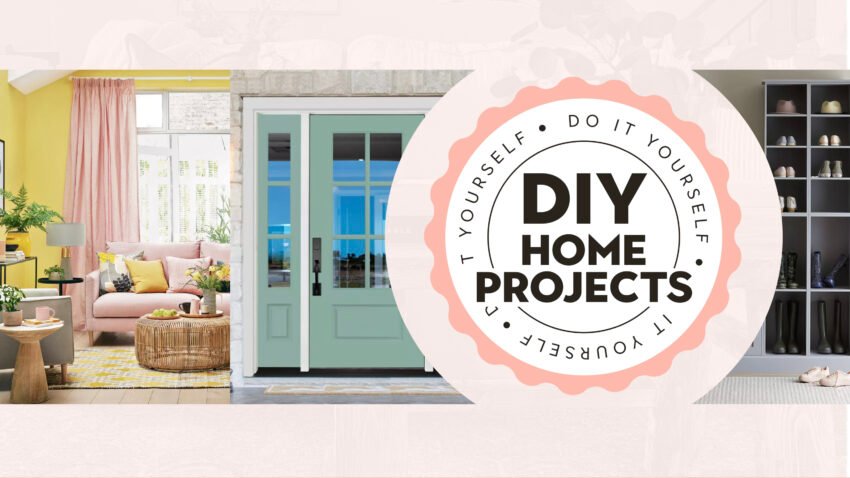
You don’t need a full remodel to increase your home’s value. Strategic, well-executed DIY projects—like updating fixtures, improving curb appeal, and enhancing storage—can meaningfully impact resale appeal and everyday livability. This guide explores 12 practical upgrades backed by real-world experience and housing data, helping homeowners invest wisely without taking on disruptive or expensive renovations.
Why Smaller DIY Projects Often Deliver Outsized Returns
Homeowners across the United States are looking for smart ways to increase property value without committing to major renovations. According to the National Association of Realtors (NAR), relatively modest projects—especially those tied to curb appeal and energy efficiency—consistently rank among the most cost-effective improvements. Similarly, the Remodeling Magazine Cost vs. Value Report shows that large remodels rarely return 100% of their cost, while targeted upgrades often recover a significant portion at resale.
What does that mean in practical terms? The best DIY projects focus on:
- First impressions
- Functionality and storage
- Energy efficiency
- Clean, neutral aesthetics
- Low maintenance appeal
Below are 12 projects that consistently deliver real value—financially and functionally—without tearing your house apart.
1. Upgrade Your Front Door and Hardware
Your front entry shapes a buyer’s first impression. Repainting your existing door in a classic, high-contrast color (deep navy, charcoal, or rich red) costs little but refreshes the façade immediately. Replacing dated hardware with modern brushed nickel or matte black finishes adds cohesion.
Steel door replacements routinely show strong returns in national cost-value studies, but even if you’re keeping the existing door, cosmetic upgrades matter. In real estate showings, agents frequently note that buyers subconsciously judge upkeep within the first 10 seconds of arrival.
2. Refresh Interior Paint—Strategically
Painting remains one of the highest-value DIY projects in American homes. Neutral, warm tones help spaces appear brighter and larger. Avoid overly trendy colors; instead, aim for timeless palettes that allow buyers to envision their own furnishings.
Focus on high-impact areas:
- Living room
- Primary bedroom
- Kitchen
- Entryway
A professional-quality finish requires proper prep—patching holes, sanding, priming when needed. The difference between rushed paint and careful paint is immediately visible.
3. Modernize Kitchen Fixtures (Without Replacing Cabinets)
A full kitchen remodel is expensive and rarely DIY-friendly. But targeted improvements can dramatically shift perception.
Consider:
- Replacing cabinet hardware
- Installing a new faucet
- Updating pendant lighting
- Adding under-cabinet lighting
These changes improve both aesthetics and usability. A modern pull-down faucet or soft-close hardware signals maintenance and attention to detail—something buyers value.
4. Install Energy-Efficient Lighting
Energy efficiency is increasingly important to American buyers. According to the U.S. Department of Energy, LED lighting uses at least 75% less energy and lasts up to 25 times longer than incandescent bulbs.
Swapping outdated fixtures for clean, modern designs—and installing LED bulbs throughout—offers:
- Lower utility bills
- Brighter interiors
- Contemporary appearance
Lighting temperature matters. Aim for 2700K–3000K (warm white) in living spaces for broad appeal.
5. Improve Curb Appeal with Landscaping Cleanup
Landscaping doesn’t have to mean hardscaping projects or new irrigation systems. In many cases, value comes from disciplined cleanup and thoughtful planting.
Practical steps include:
- Trimming overgrown shrubs
- Removing dead plants
- Adding fresh mulch
- Defining walkway edges
- Installing solar pathway lights
Well-maintained landscaping signals that the property has been cared for—something appraisers and buyers both notice.
6. Add or Upgrade Closet Organization
Storage space is a recurring buyer priority. Installing modular shelving or adjustable closet systems makes even modest closets feel functional.
You don’t need luxury built-ins. DIY wire or wood systems can:
- Double usable hanging space
- Add shelving for folded items
- Create shoe organization
Functionally optimized storage makes smaller homes compete more effectively in tight markets.
7. Replace Dated Bathroom Fixtures
Bathrooms heavily influence perceived home value. Without moving plumbing or replacing tile, you can still elevate the space by updating:
- Faucets
- Showerheads
- Towel bars
- Vanity lighting
- Mirrors
A rainfall showerhead or water-efficient fixture can also align with conservation-minded buyers. The Environmental Protection Agency WaterSense program notes that water-efficient fixtures can significantly reduce household water usage.
8. Install a Programmable or Smart Thermostat
Energy-conscious upgrades continue to rank highly with buyers. A programmable thermostat is inexpensive and DIY-friendly for many homeowners.
Models like those from Google Nest or ecobee allow scheduling and remote control, which can lower heating and cooling costs.
Even if resale isn’t immediate, homeowners benefit from improved efficiency and comfort.
9. Refinish or Deep-Clean Flooring
Flooring dominates visual space. Replacing it entirely can be expensive, but refinishing hardwood floors often yields strong returns. If refinishing isn’t necessary, a professional-grade deep clean or replacing worn carpet in high-traffic areas can dramatically improve impressions.
In open houses, flooring condition often determines whether buyers feel a home is “move-in ready.”
10. Upgrade Interior Doors and Trim
Hollow-core doors or heavily scuffed trim subtly date a house. Replacing interior doors with solid-core models—or repainting trim in crisp white—creates a more substantial, finished feel.
This project requires precision but is achievable for skilled DIYers with basic carpentry tools.
11. Create a Defined Home Office Nook
Remote and hybrid work remain common in the U.S. Even in smaller homes, carving out a functional workspace adds modern appeal.
Options include:
- Converting a closet into a built-in desk area
- Installing floating shelves
- Adding task lighting
A clearly defined workspace helps buyers imagine flexibility without adding square footage.
12. Improve Attic or Basement Insulation
Insulation rarely appears on listing photos—but it matters. According to the U.S. Department of Energy, properly insulating attics can significantly reduce heating and cooling costs.
Blown-in insulation kits are available for DIY installation in accessible spaces. Improved insulation enhances comfort, lowers utility bills, and signals long-term maintenance.
Frequently Asked Questions
1. What DIY projects add the most resale value?
Projects that enhance curb appeal, improve energy efficiency, and modernize kitchens and bathrooms typically deliver the strongest returns.
2. Is painting really worth it before selling?
Yes. Fresh, neutral paint consistently improves perceived condition and marketability.
3. Are smart home features valuable to buyers?
Practical smart upgrades like thermostats and security lighting are appealing; overly complex systems are less important.
4. Should I DIY or hire a professional?
If the project involves structural, electrical, or plumbing changes beyond your experience, hiring a licensed professional protects value.
5. How much should I spend on small upgrades?
Many high-impact projects fall under $1,000, especially if completed yourself.
6. Do energy-efficient upgrades matter in warmer states?
Yes. In hot climates, cooling efficiency significantly affects monthly costs and buyer decisions.
7. Are luxury upgrades necessary?
Not usually. Clean, functional, well-maintained spaces often outperform flashy renovations.
8. What projects should I avoid?
Overly personalized designs, highly niche features, or DIY work that appears unfinished.
9. Does landscaping really affect appraisals?
While appraisals focus on structure and comps, curb appeal strongly influences buyer demand and perceived value.
Making Smart Improvements That Stand the Test of Time
Value-adding DIY projects succeed because they improve daily life—not just resale potential. Buyers respond to homes that feel cared for, efficient, and move-in ready. The most effective upgrades focus on maintenance, energy performance, storage, and visual cleanliness rather than dramatic redesign.
When selecting projects, ask: Does this make the home easier to live in? Does it reduce future costs? Does it improve first impressions? If the answer is yes, you’re likely investing wisely.
What This Means for Homeowners Today
- Focus on curb appeal and first impressions
- Prioritize kitchens and bathrooms for cosmetic updates
- Improve energy efficiency where possible
- Upgrade lighting for modern appeal
- Enhance storage in closets and flexible spaces
- Maintain flooring and trim condition
- Avoid over-personalization