
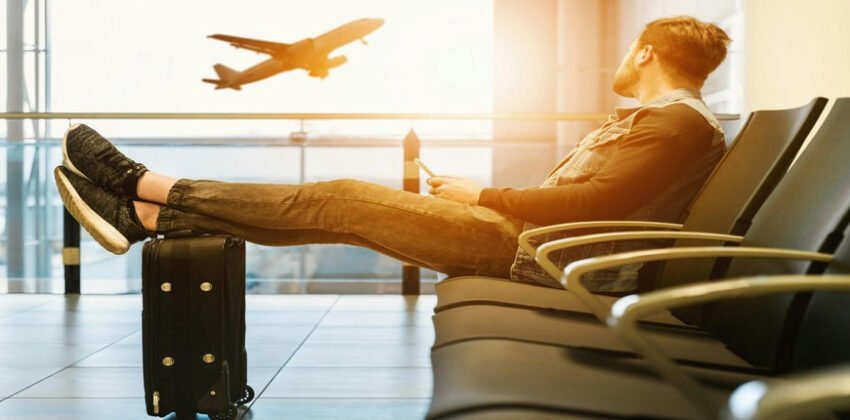
Long-haul flights can strain sleep, hydration, and patience—but careful planning significantly reduces discomfort. From choosing better departure times and seats to managing jet lag, circulation, and in-flight nutrition, experienced travelers rely on practical strategies rooted in aviation research and sleep science. This guide explains how to prepare, what to pack, and how to arrive feeling functional—not fatigued.
Why Long-Haul Flights Feel So Draining
A long-haul flight is typically defined as one lasting more than six hours, though for most Americans, flights over eight hours—such as routes from Los Angeles to Asia or from New York City to Europe—are where fatigue becomes noticeable.
Several physiological factors contribute to the exhaustion:
- Cabin air humidity often falls below 20%, compared to 30–60% in most indoor environments.
- Reduced cabin pressure (equivalent to 6,000–8,000 feet above sea level) lowers oxygen saturation slightly.
- Prolonged sitting affects circulation and muscle stiffness.
- Crossing time zones disrupts circadian rhythms.
According to the Federal Aviation Administration (FAA), cabin conditions are safe but can amplify dehydration and fatigue if unmanaged. The good news: experienced travelers approach long-haul flights as a system to manage—not an endurance test.
Before You Book: Strategic Flight Selection
One of the most searched questions is: What is the best time to book a long-haul flight to minimize jet lag?
While price and availability matter, flight timing significantly impacts recovery.
Consider These Booking Factors:
- Departure Time: Evening departures often align better with sleep schedules for eastbound travel.
- Layovers: A short, structured layover can improve circulation compared to a 14-hour nonstop if you struggle with prolonged sitting.
- Aircraft Type: Newer aircraft (such as Boeing 787 Dreamliner or Airbus A350) are designed with improved cabin humidity and pressure systems.
- Seat Configuration: Look at seat pitch and layout before booking.
For example, travelers flying from Chicago to Europe may find overnight flights more conducive to sleep than mid-afternoon departures.
Seat Selection: Where You Sit Matters
Many travelers ask: What’s the best seat for a long-haul flight?
The answer depends on priorities:
- Window seat: Better for sleeping, less aisle disturbance.
- Aisle seat: Easier access for stretching and restroom visits.
- Bulkhead seats: Extra legroom but limited under-seat storage.
- Exit rows: More space but may not recline fully.
If circulation is a concern, aisle access can encourage movement every 60–90 minutes, which medical professionals recommend to reduce stiffness.
What to Pack in Your Personal Item (Not Your Carry-On)
Experienced travelers pack for accessibility, not just capacity.
Essentials often include:
- Compression socks (to support circulation)
- Refillable water bottle (fill after security)
- Sleep mask and earplugs
- Travel-sized moisturizer and lip balm
- Electrolyte packets
- Noise-canceling headphones
- Lightweight scarf or layer
Cabin dryness can cause dehydration and skin irritation. Staying hydrated before and during the flight improves overall comfort and reduces jet lag symptoms.
Managing Jet Lag With Science, Not Guesswork
Jet lag occurs when your internal clock misaligns with your destination’s time zone. Eastbound travel is generally harder because it shortens your day.
Sleep experts recommend:
- Adjusting sleep schedule 2–3 days before departure.
- Exposing yourself to morning light upon arrival (for eastbound trips).
- Limiting caffeine and alcohol during flight.
- Using short naps (20–30 minutes) instead of extended daytime sleep.
For example, travelers flying from San Francisco to Europe may benefit from sleeping during the flight and spending time outdoors upon arrival—even if mildly tired.
The Centers for Disease Control and Prevention (CDC) notes that light exposure is one of the strongest regulators of circadian rhythm.
In-Flight Movement: Small Efforts, Big Impact
Prolonged sitting increases stiffness and discomfort. While serious conditions like deep vein thrombosis (DVT) are rare for healthy individuals, movement reduces risk factors.
Experts suggest:
- Standing or walking every 1–2 hours.
- Performing ankle rolls and calf raises while seated.
- Avoiding crossing legs for extended periods.
Airlines encourage periodic movement, especially on flights over eight hours.
Food and Hydration Strategy
Many travelers wonder: Should I eat airplane meals?
There’s no universal rule, but consider these principles:
- Eat lightly before boarding.
- Prioritize hydration over caffeine.
- Avoid excessive alcohol (it increases dehydration).
- Align meal timing with destination time zone when possible.
If arriving in the morning, consider fasting during the latter half of the flight and eating breakfast upon arrival to signal your body clock.
Entertainment and Mental Fatigue
Mental strain contributes to perceived discomfort. Preparing entertainment reduces restlessness.
Download content before departure. Wi-Fi may be inconsistent on transoceanic routes.
Many travelers structure the flight in “blocks”:
- First meal and entertainment
- Sleep window
- Light activity or reading
- Arrival preparation
Breaking the flight into phases makes long durations feel manageable.
Arriving Functional: The First 24 Hours Matter
The period immediately after landing determines how quickly you adjust.
Best practices include:
- Hydrating immediately after arrival.
- Spending time outdoors.
- Avoiding long daytime naps.
- Eating meals aligned with local time.
For instance, travelers arriving in Europe from the U.S. often benefit from staying awake until at least 9 p.m. local time.
Special Considerations: Families, Older Travelers, and Business Trips
Long-haul flights affect demographics differently.
Families with Children:
- Bring familiar snacks and comfort items.
- Schedule aisle breaks strategically.
- Pack changes of clothes in personal item.
Older Travelers:
- Prioritize aisle seats for mobility.
- Consult physicians for circulation concerns.
- Consider shorter layovers to reduce walking strain.
Business Travelers:
- Schedule important meetings at least one day after arrival when possible.
- Use arrival day for light administrative work.
Planning reduces stress and improves recovery.
Frequently Asked Questions
1. How long is considered a long-haul flight?
Typically flights over six hours; most travelers feel significant fatigue after eight or more.
2. Is it better to stay awake or sleep on a long flight?
Sleep when it aligns with your destination’s time zone.
3. Do compression socks really help?
Yes, they can improve circulation and reduce swelling.
4. How much water should I drink on a long flight?
Aim for consistent hydration—about 8 ounces per hour is a common guideline.
5. Is jet lag worse flying east or west?
Eastbound travel is usually more difficult due to shortened days.
6. Should I take melatonin?
Some travelers use it short-term; consult a healthcare provider for personalized advice.
7. Are newer planes more comfortable?
Many newer aircraft maintain better humidity and cabin pressure.
8. What’s the best way to prevent swelling?
Movement, hydration, and avoiding excessive sodium intake.
9. Is alcohol a good sleep aid on flights?
No. It disrupts sleep quality and increases dehydration.
10. How soon should I adjust to local time?
Immediately upon arrival when possible.
Long-Haul Travel as a Skill, Not an Endurance Test
Frequent travelers rarely rely on luck. They apply predictable systems—seat strategy, hydration planning, circadian alignment, and recovery pacing.
The difference between arriving exhausted and arriving functional often comes down to preparation rather than duration.
Long-haul comfort is cumulative: small decisions compound across hours.
A More Intentional Way to Fly Long Distance
Air travel compresses time zones and distances, but your body still operates on biological rhythms.
Managing long-haul flights requires awareness of hydration, sleep science, movement, and scheduling—not luxury upgrades.
Whether flying from Dallas to Europe or from Seattle to Asia, preparation determines arrival experience more than seat class alone.
The most experienced travelers understand that recovery begins before boarding.
Arriving Ready Instead of Recovering
The true goal of long-haul travel is not just landing safely—it’s arriving capable.
When hydration, light exposure, movement, and sleep timing align, the first day becomes productive rather than lost.
Long flights are inevitable for global travel. Exhaustion doesn’t have to be.
What Seasoned Travelers Remember
- Flight timing influences jet lag more than many realize.
- Hydration is foundational to comfort.
- Movement reduces stiffness and swelling.
- Seat selection affects sleep quality.
- Light exposure resets circadian rhythm.
- Alcohol worsens fatigue.
- First 24 hours determine recovery speed.
- Preparation outweighs cabin class.