
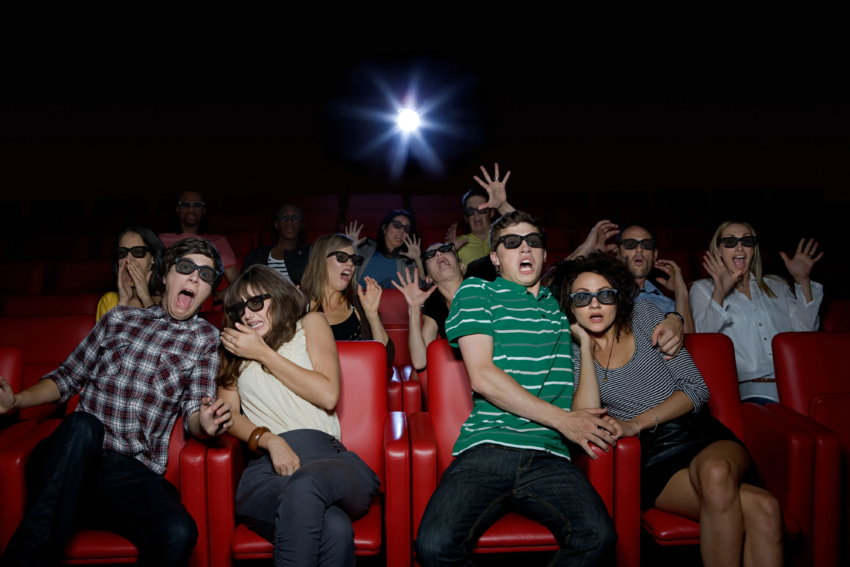
Summary
The image of movie stars has shifted dramatically as streaming platforms and social media reshape how audiences discover, evaluate, and connect with actors. Fame is no longer defined solely by box office numbers or studio marketing. Today’s movie stars navigate constant visibility, direct fan engagement, and evolving measures of success that prioritize relevance, adaptability, and authenticity.
Introduction: From Distant Icons to Constantly Visible Figures
For much of the twentieth century, movie stars were carefully managed icons. Studios controlled access, public appearances were limited, and mystique was part of the appeal. Audiences learned about actors through magazine profiles, talk show appearances, and theatrical releases spaced months or years apart.
That model has changed. Streaming services release films year-round, while social media allows fans to follow actors’ daily lives in real time. The modern movie star is no longer distant. Visibility is constant, audience feedback is immediate, and personal branding has become as influential as on-screen performances.
This transformation has altered how fame is built, measured, and sustained—and it has redefined what audiences expect from movie actors in the United States.
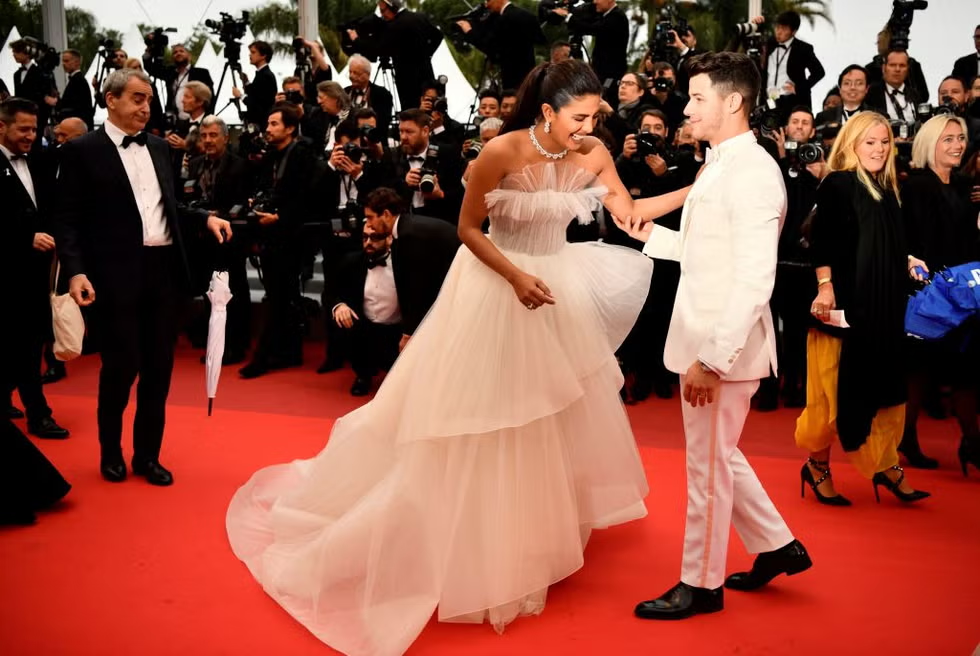
How Streaming Redefined Stardom
Streaming platforms have reshaped the entertainment ecosystem by changing how films are distributed, consumed, and discussed.
In the traditional studio era, box office performance was the primary indicator of a star’s power. Today, success is measured across multiple metrics:
- Viewership data and completion rates
- Subscriber growth tied to specific releases
- Cultural conversation across digital platforms
- Long-term library value rather than opening weekend revenue
According to Nielsen streaming reports, U.S. audiences now spend more time watching content on streaming platforms than on cable television, a trend that continues to grow annually. This shift has reduced the dominance of theatrical exclusivity while increasing the importance of sustained audience engagement.
Streaming has also blurred the line between film and television. Actors who once avoided television now move fluidly between prestige series, limited films, and theatrical releases. The result is a more diversified form of stardom—one less dependent on marquee billing and more focused on consistent visibility.
The Rise of the “Accessible” Movie Star
Social media has fundamentally altered how audiences perceive celebrities. Platforms such as Instagram, TikTok, and X offer direct access that once did not exist.
This accessibility has advantages. Actors can:
- Communicate directly with fans
- Promote projects without traditional media intermediaries
- Share personal perspectives that humanize their public image
However, constant access comes with risks. Missteps can spread quickly, and public opinion can shift in hours rather than months. The modern movie star must balance openness with discretion, authenticity with privacy.
Research from the Pew Research Center shows that Americans increasingly value perceived authenticity in public figures. Audiences respond positively to actors who appear genuine, thoughtful, and self-aware—traits that often matter as much as talent.
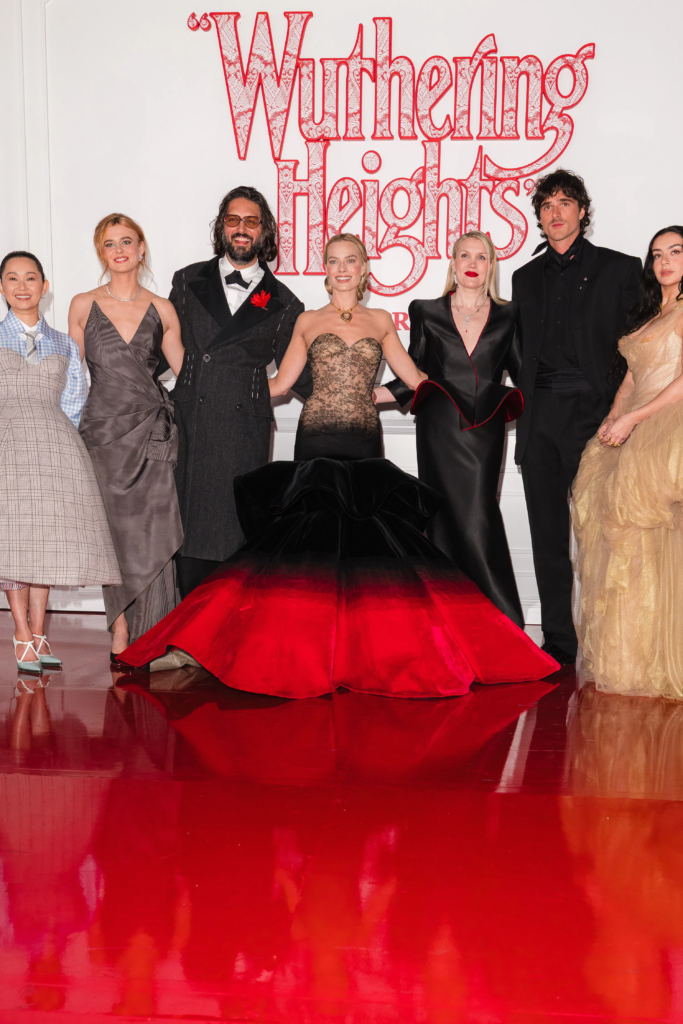
Fame Without the Old Mystique
One unintended consequence of constant exposure is the erosion of traditional movie-star mystique. In previous eras, limited access helped preserve a sense of glamour and distance. Today, seeing actors shop for groceries or discuss daily routines can flatten that sense of awe.
Yet this shift has not diminished star power entirely—it has redefined it. Prestige now comes from:
- Selective transparency rather than total privacy
- Consistency in public behavior and messaging
- A clear sense of values that audiences can recognize
Actors who manage this balance effectively tend to sustain stronger long-term reputations. Those who overshare or engage impulsively often struggle to regain narrative control.
How Social Media Metrics Influence Casting and Careers
While talent remains central, digital presence increasingly influences casting decisions. Producers and studios consider online reach as one factor among many when assessing marketability.
Common considerations include:
- Follower demographics and geographic distribution
- Engagement rates rather than raw follower counts
- Alignment between an actor’s audience and a project’s target viewers
This does not mean actors must be influencers, but it does mean digital literacy has become part of the profession. Casting directors interviewed by industry publications frequently note that social presence can help projects gain early visibility—especially in competitive streaming markets.
Importantly, social media success does not replace acting ability. Films that rely solely on online popularity without strong performances tend to struggle with critical reception and audience retention.
Streaming Algorithms and the New Measure of Success
Unlike theatrical releases, streaming platforms rely heavily on algorithms to surface content. These systems prioritize watch time, completion rates, and viewer behavior patterns.
For movie stars, this means success is increasingly cumulative rather than event-based. A single strong performance can lead audiences to explore an actor’s back catalog, extending career momentum beyond individual releases.
Actors who appear in multiple well-received projects across genres often benefit from algorithmic reinforcement. Their work is recommended more frequently, strengthening recognition without traditional publicity campaigns.
This system favors versatility, reliability, and consistent quality—traits that align with long-term career sustainability.
Audience Expectations Have Changed
Modern American audiences expect more from movie stars than compelling performances. Surveys conducted by Morning Consult indicate that viewers increasingly consider personal conduct, public statements, and social responsibility when forming opinions about celebrities.
Common expectations include:
- Professionalism and accountability
- Thoughtful engagement with cultural issues
- Respectful interaction with fans and peers
While audiences do not demand perfection, they are less tolerant of behavior perceived as dismissive or irresponsible. The feedback loop created by social media amplifies both praise and criticism, making reputation management a constant consideration.
The Impact on Career Longevity
In the streaming and social media era, longevity is less about maintaining peak fame and more about sustained relevance. Actors who adapt tend to:
- Choose diverse, well-matched roles
- Maintain a controlled but authentic public presence
- Build professional credibility through consistent work
Veteran actors who embrace these changes often experience career revivals, while emerging actors who understand the digital landscape can accelerate recognition more quickly than in previous generations.
Practical Ways Actors Navigate the New Landscape
Experienced actors increasingly rely on structured strategies to manage visibility and reputation:
- Working with digital communications advisors
- Limiting platform use to specific purposes
- Separating personal expression from promotional messaging
- Taking periodic breaks from public posting
These approaches help preserve mental health while maintaining public connection—an increasingly important balance in a high-visibility environment.
Frequently Asked Questions
How has streaming changed movie stardom in the U.S.?
Streaming has shifted success metrics from box office revenue to sustained engagement, making visibility more continuous and diversified.
Do movie stars need social media to succeed today?
Not necessarily, but understanding digital dynamics helps actors manage public perception and career opportunities.
Has social media reduced the glamour of movie stars?
It has reduced mystique but increased relatability, changing rather than eliminating star appeal.
Do casting directors care about follower counts?
They consider engagement and audience alignment more than raw numbers.
Are theatrical releases still important for star status?
Yes, but they now coexist with streaming as part of a broader career strategy.
Does constant exposure increase career risk?
It can, especially without thoughtful communication and boundaries.
Can actors avoid social media entirely?
Some do, but it requires alternative visibility strategies through work and traditional media.
Is authenticity really important to audiences?
Research suggests American audiences strongly value perceived authenticity in public figures.
Will the definition of a movie star continue to change?
Yes, as technology and audience behavior continue to evolve.
Where Stardom Is Headed Next
The modern movie star operates in a landscape defined by visibility, adaptability, and audience trust. Streaming and social media have not diminished the importance of talent, but they have expanded the skills required to sustain a career. As technology continues to evolve, the most enduring stars will be those who understand that relevance is built not only on performance, but on thoughtful presence.
Key Shifts Worth Remembering
- Stardom is now measured over time, not opening weekends
- Authenticity shapes public trust more than controlled mystique
- Streaming favors consistency and versatility
- Social media amplifies both opportunity and risk