
Summary
Hollywood longevity no longer depends on youth or box-office streaks alone. Today’s movie stars extend their careers by adapting to streaming, diversifying roles, building personal brands, and prioritizing sustainability over constant visibility. This shift reflects structural changes in the industry and a more strategic, long-term approach to fame, relevance, and creative control.
Introduction: Longevity Looks Different Than It Used To
For much of Hollywood’s history, career longevity followed a narrow path. Actors peaked early, faded quickly, or were boxed into a single persona they struggled to escape. The studio system favored youth, predictability, and rigid contracts, leaving little room for reinvention.
That model no longer applies. Today’s movie stars are redefining what it means to last in Hollywood—not by chasing constant visibility, but by building adaptable careers that span decades. Longevity is now about strategic choices, personal sustainability, and an ability to evolve alongside an industry reshaped by streaming platforms, global audiences, and changing cultural expectations.
The End of the Traditional Career Arc
The old Hollywood trajectory—breakout role, franchise peak, gradual decline—has largely dissolved. Streaming services have multiplied opportunities for actors at every career stage, while audience tastes have grown more accepting of unconventional casting and nonlinear paths.
Instead of disappearing between major releases, actors can now:
- Alternate between blockbuster films and limited series
- Explore character-driven roles without sacrificing income
- Return to prominence later in life through prestige projects
This shift has allowed performers such as Viola Davis and Bryan Cranston to reach new career highs well into midlife, proving that relevance is no longer age-bound.
Strategic Role Selection Over Constant Exposure
One of the clearest patterns among long-lasting stars is restraint. Today’s most enduring actors are selective, prioritizing roles that deepen credibility rather than maximize short-term visibility.
Instead of accepting every offer, they often:
- Space out major projects to avoid overexposure
- Balance commercial films with smaller, riskier performances
- Decline roles that reinforce limiting stereotypes
This approach has helped actors like Leonardo DiCaprio maintain cultural relevance for decades without franchising his identity. Fewer appearances, when carefully chosen, can create stronger anticipation and long-term brand value.
Reinvention as a Career Skill
Longevity increasingly depends on an actor’s willingness to evolve. Reinvention no longer signals desperation; it signals intelligence.
Examples of reinvention include:
- Shifting from romantic leads to complex character roles
- Transitioning into television or streaming-first projects
- Moving behind the camera as directors or producers
Reese Witherspoon exemplifies this evolution. By building a production company and championing female-driven stories, she expanded her influence beyond acting while reinforcing her on-screen relevance.
The Power of Creative Control
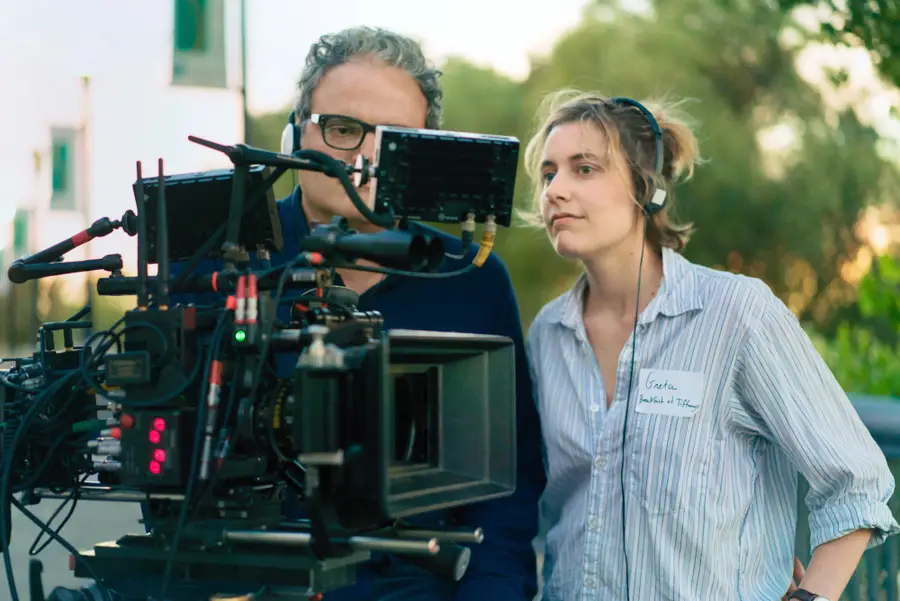
Modern movie stars often seek ownership—not just participation. Creative control allows actors to shape their narratives, protect their image, and align projects with long-term goals.
This control commonly takes the form of:
- Executive producer credits
- First-look deals with studios or streamers
- Independent production companies
Actors who control development pipelines can avoid the career volatility that once plagued performers dependent on studio casting decisions. It also enables them to create opportunities for themselves as market conditions shift.
Streaming Changed the Math on Fame
Streaming platforms have fundamentally altered how success is measured. Box office numbers are no longer the sole indicator of relevance. Audience engagement, critical response, and long-tail viewership now matter just as much.
For actors, this means:
- Niche appeal can sustain long careers
- Global audiences can revive or expand recognition
- Performance quality often outweighs star power
An actor may no longer dominate theatrical releases yet still maintain a highly influential, stable career through serialized storytelling and international reach.
Longevity Through Genre Flexibility
Another defining trait of today’s enduring stars is genre agility. Actors who move fluidly between drama, comedy, action, and voice work tend to avoid stagnation.
Genre flexibility allows performers to:
- Reach different audience segments
- Refresh their public image regularly
- Stay relevant as trends shift
This adaptability helps prevent the creative burnout that often shortened careers in previous eras.
Personal Sustainability and Public Boundaries
Modern longevity is also shaped by how actors manage their personal lives. Many stars now prioritize privacy, mental health, and controlled public exposure—factors once overlooked in Hollywood’s grind culture.
Sustainable careers often include:
- Limited social media presence or curated engagement
- Time off between projects
- Clear separation between professional and personal identity
Audiences increasingly respect these boundaries, viewing them as signs of maturity rather than disengagement.
Data Signals a Longer Career Window
Industry data supports the idea that Hollywood careers are lengthening. According to guild and casting reports from organizations such as SAG-AFTRA, demand for actors over 40 has increased across streaming and premium television formats, particularly for character-driven narratives.
Additionally:
- Prestige television regularly casts older leads
- Awards recognition skews older than in past decades
- International co-productions value experience over novelty
These trends reinforce that longevity is becoming structurally supported, not merely individually earned.

FAQs: What Readers Are Asking About Hollywood Longevity
1. Do movie stars still peak in their 30s?
Not necessarily. Many actors now experience multiple peaks across different formats and decades.
2. Is streaming better for long-term acting careers?
Yes, especially for character actors and performers seeking sustained relevance beyond box office cycles.
3. Do actors need franchises to last?
Franchises help, but they are no longer essential for career longevity.
4. Are older actors getting more lead roles?
In television and streaming, yes—particularly in prestige dramas.
5. Does social media help or hurt longevity?
It depends. Strategic use can help, but oversaturation can harm credibility.
6. Why do some actors disappear for years and return successfully?
Intentional absence can increase demand and allow for reinvention.
7. Is producing now essential for long careers?
It’s not required, but it provides stability and creative control.
8. Can younger actors plan for longevity early?
Yes. Early role choices and brand management matter significantly.
9. Are audiences more accepting of older leads now?
Yes. Story quality increasingly outweighs age-based casting norms.
A New Definition of Staying Power
Hollywood longevity today is less about dominance and more about durability. The actors who last are those who adapt thoughtfully, choose projects with intention, and understand that relevance is built over time—not maintained through constant visibility. As the industry continues to evolve, longevity has become less elusive and more strategic than ever before.
Key Patterns Shaping Long Hollywood Careers
- Selective visibility now outperforms constant exposure
- Streaming has expanded career timelines
- Creative control supports reinvention
- Genre flexibility prevents stagnation
- Personal sustainability protects long-term relevance