
Summary
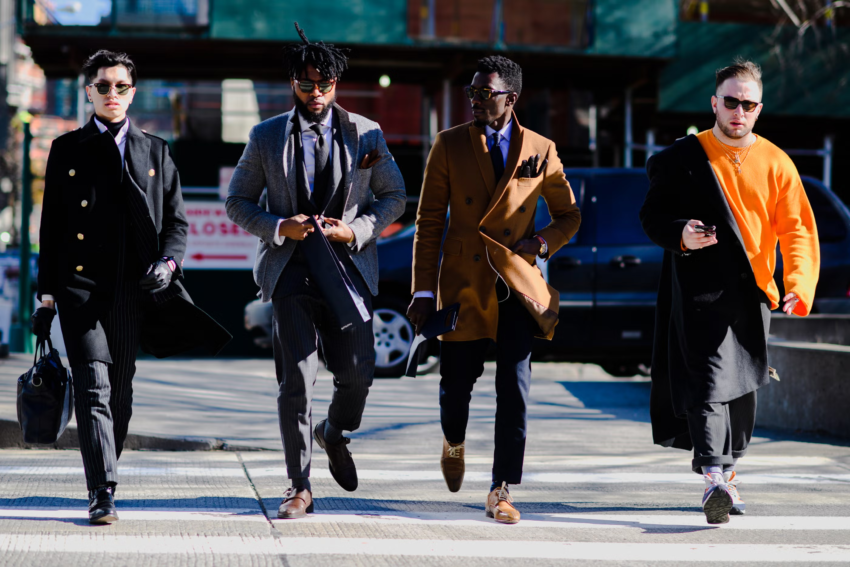
Modern men’s style is shifting away from excess toward intentional choices. This guide explains why fewer, better garments now define good style—covering fit, versatility, lifestyle alignment, and long-term value. Drawing on research, real-world examples, and expert insights, it outlines how American men are building smarter wardrobes that work harder with less.
Why Men’s Style Is Simplifying—Not Shrinking
Walk into most American closets and you’ll find the same pattern: plenty of clothes, yet very few reliable outfits. Over the last decade, men’s fashion has quietly moved away from accumulation and toward curation. This isn’t about minimalism as a trend—it’s a practical response to how men actually live, work, and dress today.
Several forces are driving this change. Hybrid work has blurred the lines between professional and casual wear. Consumers are more cost-conscious and skeptical of disposable fashion. And with better access to information, men are increasingly aware that style isn’t about owning more—it’s about choosing better.
According to data from the U.S. Bureau of Labor Statistics, apparel spending has remained relatively flat when adjusted for inflation, even as clothing options have multiplied. This suggests a shift in priorities: fewer impulse buys, more considered decisions.
The result is a new approach to men’s style—one that values versatility, fit, and longevity over trend cycles.
The Core Principle: Cost Per Wear, Not Price Tag
One of the most searched questions related to modern men’s fashion is simple: Is it worth paying more for better clothes? The answer lies in cost per wear.
A $90 pair of trousers worn twice a week for two years costs less per use than a $40 pair replaced every six months. More importantly, better garments tend to fit better, age better, and feel more comfortable—factors that directly influence how often you reach for them.
Experienced dressers often follow a quiet rule: spend more on the items you wear most frequently and rely on cheapest. These typically include:
- Shoes
- Outerwear
- Pants and denim
- Everyday knitwear
Saving money on trend-driven or occasion-specific items makes sense. Cutting corners on daily essentials rarely does.
Fit Has Replaced Fashion as the Top Priority
Trends change. Fit doesn’t.
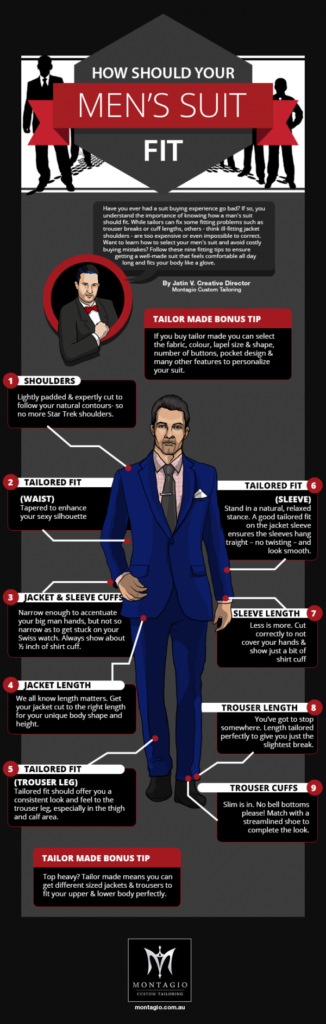
One of the clearest rules of modern men’s style is that a well-fitting basic will always outperform an ill-fitting statement piece. This is especially true in the U.S., where body types, climates, and lifestyles vary widely.
Men searching for “how to dress better” are often surprised to learn that the biggest upgrade doesn’t come from buying new styles—it comes from adjusting proportions. Sleeve length, shoulder width, pant rise, and taper matter more than logos or labels.
Real-world example:
A navy blazer tailored to your shoulders and waist can work with jeans, chinos, or wool trousers. An off-the-rack blazer that’s too long or boxy often ends up unworn, regardless of brand.
Tailoring remains one of the best returns on investment in menswear. Even casual garments like denim and overshirts benefit from minor adjustments.
Versatility Is the New Luxury
Luxury used to mean exclusivity. Today, it increasingly means usefulness.
Modern men expect clothing to work across settings—office, travel, weekends, and social events. This has led to the rise of garments that adapt rather than announce themselves.
Highly versatile pieces typically share three traits:
- Neutral or subdued color palettes
- Simple, uncluttered design
- Durable, comfortable fabrics
Think of a well-cut gray sweatshirt that works under a jacket, or leather sneakers clean enough for dinner but sturdy enough for city walking.
This shift explains why men are buying fewer suits but better jackets, fewer dress shirts but higher-quality knits. The goal is range, not volume.
The Capsule Wardrobe—Without the Dogma
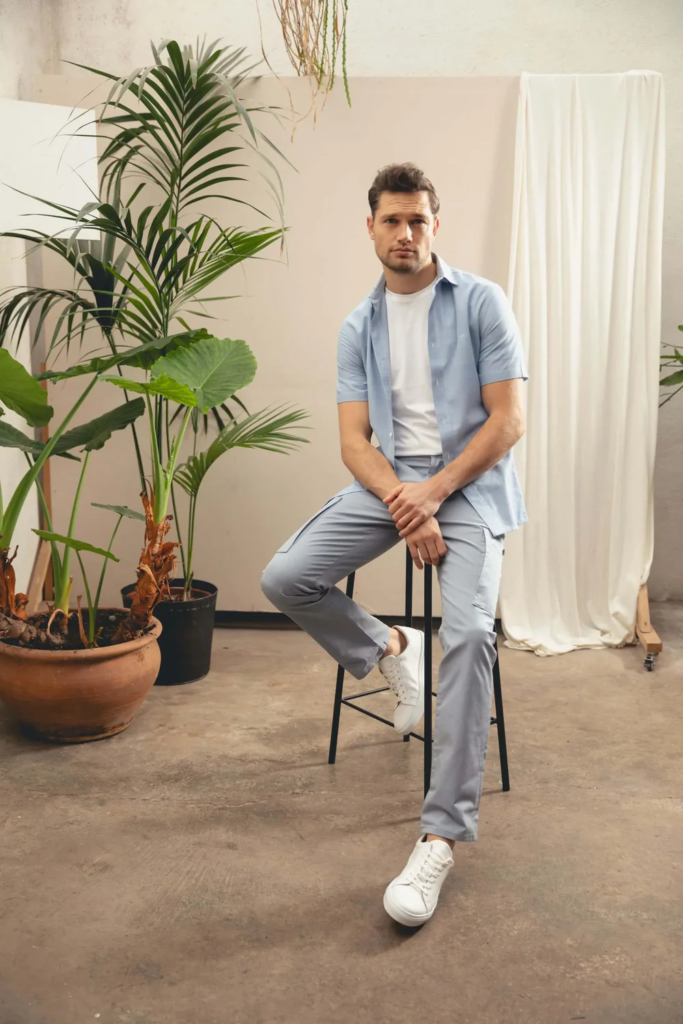
The term “capsule wardrobe” often turns men off, conjuring images of strict limits and aesthetic rules. In practice, most American men are already moving toward a flexible version of this concept—whether they label it or not.
A functional wardrobe doesn’t require a fixed number of items. It requires clarity about lifestyle. A remote worker in Austin needs different essentials than a consultant commuting in Chicago.
That said, effective wardrobes often include:
- 2–3 pairs of well-fitting pants that cover most occasions
- 1–2 dependable jackets or outer layers
- Footwear that spans casual, smart-casual, and weather needs
- Tops that layer easily and work year-round
The common denominator is intentional overlap. Each piece should work with multiple others, reducing decision fatigue and unused clothing.
Fabric Quality Matters More Than Brand Names
Another frequent search query: How can I tell if clothes are good quality?
Quality reveals itself in materials and construction, not branding. Natural fibers like wool, cotton, and linen tend to regulate temperature better and age more gracefully. Blended fabrics can perform well when used thoughtfully, especially for stretch or durability.
Signs of quality worth paying attention to include:
- Dense, even stitching
- Fabric weight appropriate to the garment’s purpose
- Buttons, zippers, and seams that feel secure
- Garments that hold shape after washing
American consumers are increasingly aware of this. According to McKinsey’s U.S. apparel research, durability and quality now rank above trendiness for male shoppers over 30.
Sustainability Through Fewer, Better Choices
Sustainability in men’s fashion isn’t only about ethical labels. It’s also about reducing churn.
Buying fewer items—and wearing them longer—is one of the most effective ways to lower environmental impact. The Environmental Protection Agency reports that textile waste remains one of the fastest-growing waste categories in the U.S.
Men who adopt a “fewer pieces” mindset often notice a side benefit: clearer personal style. When purchases are deliberate, wardrobes naturally align with identity rather than impulse.
This doesn’t require perfection. It requires pause—asking whether a garment solves a real need or duplicates something already owned.
Style Confidence Comes From Consistency
The most consistently well-dressed men are rarely the most experimental. They tend to understand what works for their body, routine, and preferences—and stick to it.
This consistency builds confidence. When clothes fit, coordinate easily, and feel appropriate, men spend less time thinking about what they’re wearing and more time using style as a tool rather than a distraction.
In professional settings, this matters. Studies in workplace psychology suggest that predictable, polished appearance contributes to perceived reliability and competence—especially in leadership roles.

Frequently Asked Questions
Is it better to own fewer clothes as a man?
Yes, when those clothes are versatile, well-fitting, and aligned with your lifestyle.
How many outfits should a man realistically own?
Enough to cover work, casual, social, and seasonal needs without frequent repetition stress—there’s no fixed number.
Are basics more important than trends?
Basics form the foundation. Trends work best when layered on top selectively.
How often should men replace clothing?
When items no longer fit well, perform their function, or align with your current lifestyle—not on a set timeline.
Is tailoring worth it for casual clothes?
Absolutely. Small adjustments can dramatically improve fit and appearance.
What colors are most versatile for men?
Navy, gray, olive, beige, and white offer broad compatibility.
Does dressing well require expensive brands?
No. Fit, fabric, and function matter more than labels.
How do I avoid impulse buying clothes?
Wait 24 hours, check compatibility with your wardrobe, and consider cost per wear.
Can one jacket replace multiple outfits?
Yes, if it’s neutral, well-fitted, and appropriate for multiple settings.
A Wardrobe That Thinks Before It Speaks
The new rules of men’s style aren’t restrictive—they’re liberating. By choosing fewer pieces and making better decisions, men reduce clutter, sharpen identity, and gain confidence. Style stops being about chasing relevance and starts supporting daily life. In that sense, good style isn’t louder—it’s smarter.
What to Remember Moving Forward
- Buy for real life, not imagined scenarios
- Prioritize fit and fabric over trends
- Build overlap between pieces
- Replace frequency with intention
- Let consistency define your style