
Summary
American men are rethinking how they dress—prioritizing versatility, fit, and long-term value over excess. This in-depth guide examines why wardrobes are getting smaller but smarter, how lifestyle shifts influence clothing choices, and what practical strategies men across the U.S. are using to dress well with fewer, better pieces.
The Shift Away From “More” Toward “Better”
For decades, men’s fashion in the U.S. followed a predictable cycle: seasonal trends, impulse purchases, and closets filled with rarely worn items. That pattern is changing. American men are increasingly building wardrobes with intention—favoring versatility, durability, and relevance to real life.
Several forces are driving this shift. Remote and hybrid work have blurred the lines between professional and casual dress. Rising costs have made cost-per-wear a practical consideration. At the same time, access to better information—from tailoring advice to fabric education—has empowered men to make smarter decisions.
Rather than chasing trends, today’s wardrobe strategy focuses on adaptability: clothing that works across multiple settings, seasons, and stages of life.
Why Versatility Has Become the New Style Standard
Versatility is no longer a buzzword; it’s a response to how American men actually live. Most men don’t need separate wardrobes for work, weekends, travel, and social events. They need pieces that move easily between them.
In practice, versatility means:
- A blazer that works with jeans or dress trousers
- Shoes that can handle both office hours and evening plans
- Shirts that layer well and stand on their own
According to consumer data from McKinsey & Company, U.S. shoppers are increasingly prioritizing “multi-use value” when purchasing apparel, especially men aged 30–55. This group is less interested in novelty and more focused on reliability and fit.
The result is a quieter, more functional approach to style—one rooted in usefulness rather than display.
Building a Wardrobe Around Real Life, Not Aspirations
One of the most common mistakes men make is dressing for a lifestyle they don’t actually live. Smarter wardrobes start with an honest assessment of daily routines.
Consider three questions:
- Where do you spend most of your time during the week?
- What settings do you repeatedly find yourself dressing for?
- Which clothes do you reach for first—and why?
For many American men, the answers point to a blend of casual and polished environments: meetings that happen on video calls, dinners that don’t require suits, and weekends that involve errands, travel, or social gatherings.
Clothing that supports this reality—comfortable, presentable, and adaptable—naturally earns more wear.
Fit: The Most Underrated Upgrade in Men’s Style
No trend has more impact than fit. Well-fitting clothing consistently outperforms expensive or fashionable items that don’t sit correctly on the body.
American men are increasingly:
- Using tailors for small adjustments
- Learning basic fit principles (shoulder alignment, sleeve length, rise)
- Choosing brands and cuts that match their body type
A $60 shirt that fits perfectly often looks better than a $200 one that doesn’t. This understanding has fueled demand for customization, made-to-measure options, and brands that offer consistent sizing.
Fit also enhances versatility. When clothing fits properly, it layers better, transitions more easily between settings, and feels more comfortable over long days.

The Rise of the “Core Wardrobe” Philosophy
Rather than rotating entire closets each season, many men are building a core wardrobe—a stable foundation of reliable pieces that work year-round with minor adjustments.
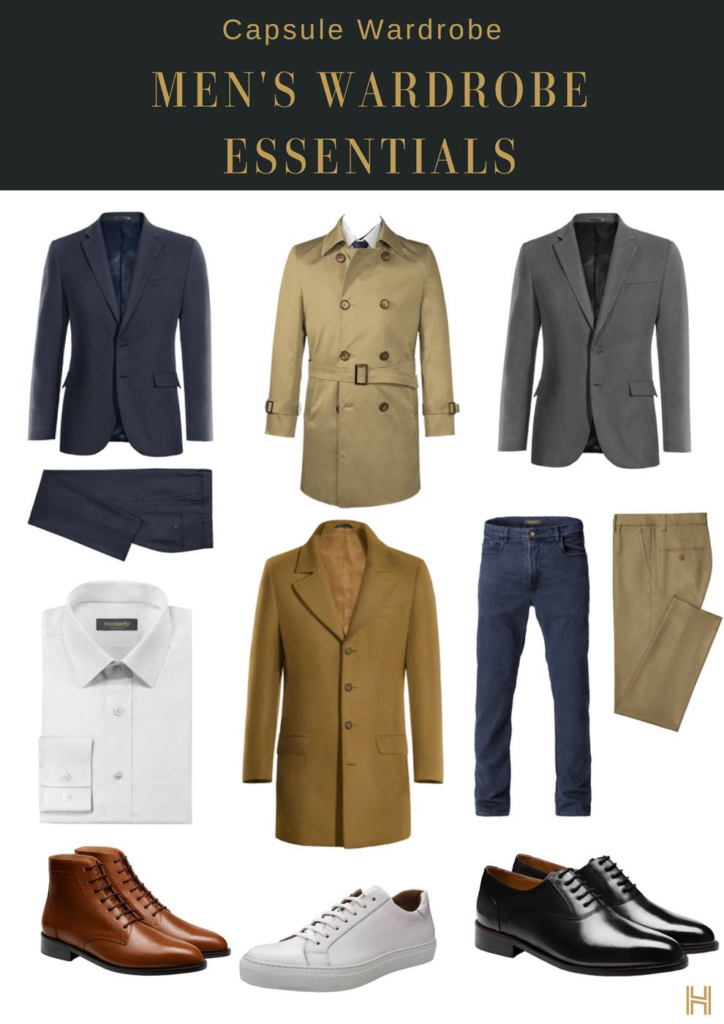
A typical core wardrobe often includes:
- Neutral outerwear (navy, olive, gray)
- Quality denim and versatile chinos
- Simple knitwear for layering
- Clean, understated footwear
These items are not trend-driven. They’re chosen because they integrate seamlessly into multiple outfits and withstand repeated wear.
This approach reduces decision fatigue and makes getting dressed easier—an understated benefit that many men appreciate once they experience it.
Fabric Knowledge Is Changing Buying Behavior
Men are paying closer attention to what their clothes are made of—and how those materials perform over time.
Common fabric considerations now include:
- Breathability for all-day comfort
- Wrinkle resistance for travel and work
- Durability after repeated washing
- Seasonal adaptability
Natural fibers like wool, cotton, and linen remain staples, but technical blends are gaining ground for their performance benefits. Merino wool, for example, has become popular for its temperature regulation and odor resistance—particularly among travelers and commuters.
Understanding fabric quality helps men avoid short-lived purchases and invest in pieces that age well.
Dressing for Multiple Contexts Without Compromise
One hallmark of a versatile wardrobe is the ability to move through the day without changing outfits.
For example:
- A lightweight knit polo paired with tailored trousers works for meetings and dinner
- Dark denim with a structured jacket bridges casual and professional settings
- Minimal sneakers or loafers handle walking, driving, and social events
This flexibility matters more than ever in American cities where work, social life, and personal errands overlap.
The goal isn’t to look dressed up everywhere—but to look appropriate everywhere.
Cost-Per-Wear: A Smarter Way to Evaluate Value
Price alone no longer defines value. American men are increasingly using cost-per-wear as a mental framework.
Cost-per-wear considers:
- How often the item will be worn
- How many outfits it works with
- How long it will last
A $250 jacket worn twice a week for three years may ultimately cost less per use than a $90 alternative that falls apart in one season.
This mindset encourages fewer purchases, better quality, and more satisfaction over time.
Sustainability as a Practical, Not Moral, Choice
While sustainability matters, many men approach it pragmatically rather than ideologically.
Longer-lasting clothing:
- Reduces replacement costs
- Saves time shopping
- Performs better over years
Buying fewer, better-made items naturally leads to lower waste. Repairing shoes, tailoring trousers, and maintaining garments properly have become part of a smarter wardrobe culture.
This isn’t about perfection—it’s about longevity.
Common Questions American Men Are Asking
Men searching for wardrobe advice tend to focus on practical concerns rather than fashion trends. Some of the most common questions include:
- How many clothes do I actually need?
- What should I invest in first?
- How do I dress well without overthinking it?
- Can casual clothes still look professional?
- How do I transition my style as I get older?
The answers almost always point back to the same principles: fit, versatility, and intentional choices.
Frequently Asked Questions
1. What defines a versatile men’s wardrobe?
Clothing that works across multiple settings, seasons, and combinations with minimal effort.
2. How many outfits should a man realistically own?
Enough to cover a week or two of real-life needs without excess—often fewer than expected.
3. Are trends completely irrelevant now?
No, but they’re secondary to fit, quality, and usefulness.
4. Is tailoring worth the cost?
Yes. Minor alterations often deliver the biggest style improvement per dollar.
5. What colors offer the most flexibility?
Navy, gray, olive, white, and earth tones mix easily and age well.
6. Can sneakers be part of a smart wardrobe?
Yes, when clean, minimal, and appropriate for the setting.
7. How often should core wardrobe items be replaced?
Only when worn out or no longer fit—not seasonally.
8. Does age change how men should dress?
Lifestyle matters more than age, but priorities often shift toward comfort and quality.
9. Is casual workwear here to stay?
Most indicators suggest yes, especially in hybrid work environments.
Dressing With Intention in a Changing American Lifestyle
What stands out about this shift isn’t minimalism or fashion—it’s intention. American men are dressing less for approval and more for alignment with their lives. The smartest wardrobes aren’t the largest or most expensive. They’re the ones built thoughtfully, worn often, and adapted over time.
Style, in this context, becomes a quiet advantage—one that supports daily life instead of complicating it.
What This New Wardrobe Mindset Really Comes Down To
- Fewer pieces, chosen more carefully
- Fit as a non-negotiable foundation
- Clothing that adapts to real routines
- Long-term value over short-term trends
- Confidence built on consistency