
Summary
American nutrition is increasingly shaped by cultural eating patterns driven by immigration, globalization, and evolving social values. From plant-forward traditions to communal meals and flexible food rules, these influences are reshaping how Americans eat, cook, and think about health—prompting nutrition guidance that emphasizes inclusivity, sustainability, and long-term well-being over rigid dietary models.
Introduction: A Changing American Plate
American food culture has never been static. From Indigenous foodways to European settler traditions, and later waves of global influence, the nation’s diet has always reflected who lives here and how they eat. What’s different now is the pace and scale of change. Cultural eating patterns—how communities choose, prepare, share, and value food—are playing a central role in shaping modern American nutrition.
As the U.S. becomes more diverse and globally connected, traditional “one-size-fits-all” dietary advice is giving way to more flexible, culturally informed approaches. Nutrition professionals, public health institutions, and consumers alike are recognizing that healthy eating does not look the same across cultures—and doesn’t need to.
This shift matters. Diet-related chronic diseases remain a leading public health concern, while interest in food as identity, heritage, and connection continues to grow. Understanding cultural eating patterns offers a path toward nutrition guidance that is more realistic, respectful, and effective for real American lives.
What Are Cultural Eating Patterns?
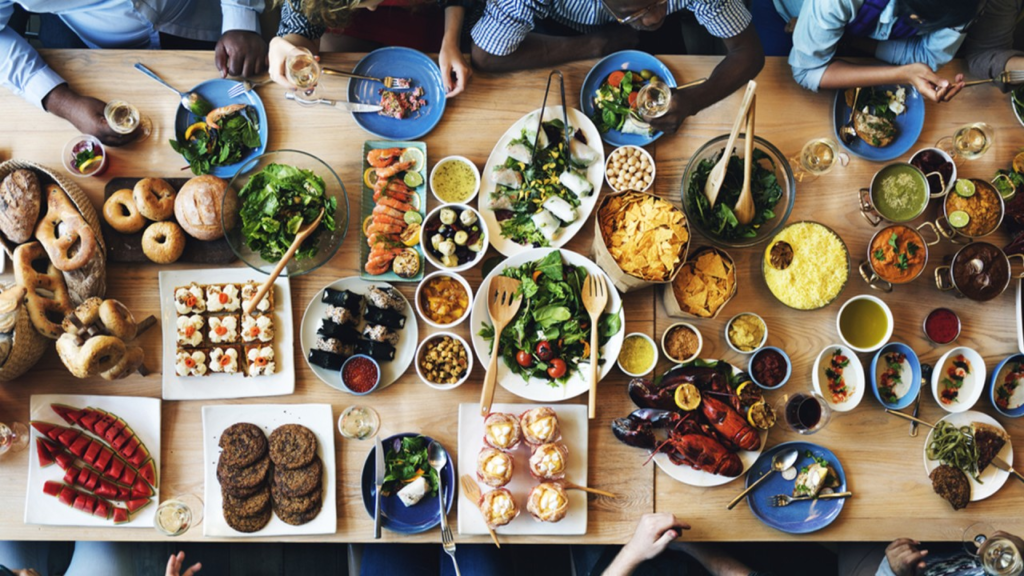
Cultural eating patterns encompass far more than specific cuisines. They include shared habits around food timing, portioning, preparation methods, ingredient combinations, and social context. These patterns are shaped by geography, religion, economics, family structure, and historical experience.
For example, Mediterranean-style meals often emphasize shared dining, vegetables, legumes, olive oil, and fish. Many East Asian traditions focus on balance, variety, and smaller portions spread across multiple dishes. Latin American foodways commonly prioritize beans, corn, rice, and communal meals.
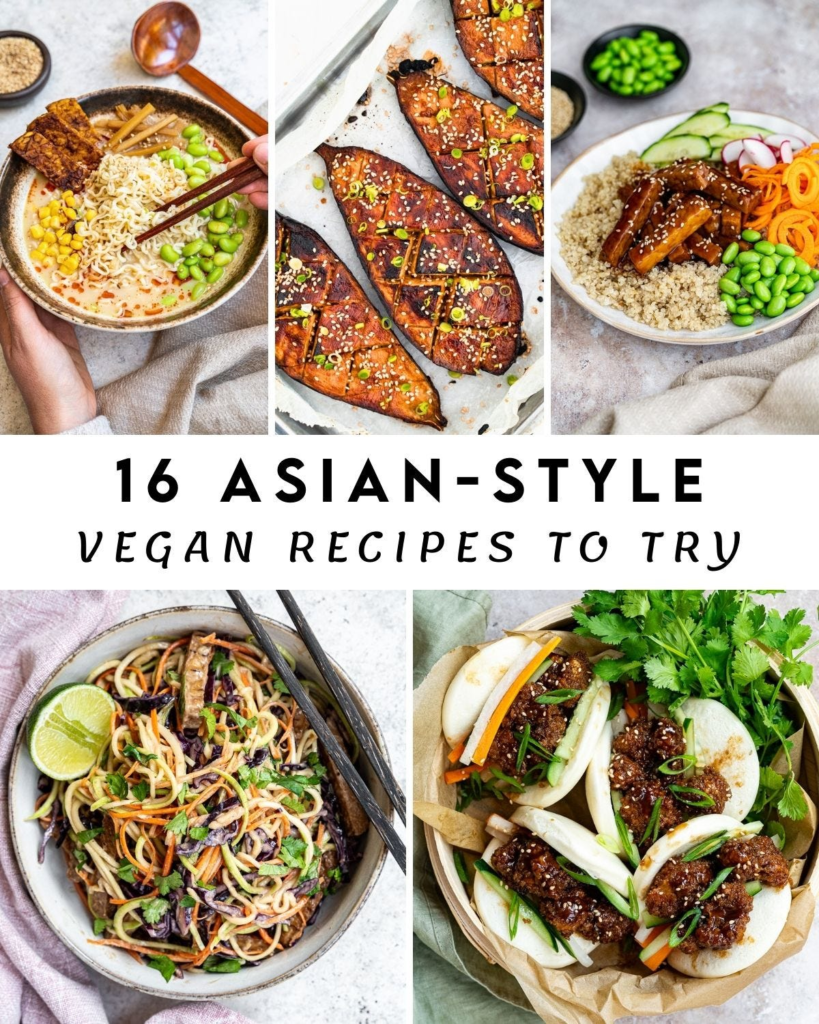
In the U.S., these traditions increasingly intersect. A single household may blend multiple cultural approaches—whole-grain tortillas with grilled vegetables, plant-forward bowls inspired by Asian cuisines, or shared family dinners rooted in multigenerational customs.
Rather than replacing American eating habits, these patterns are expanding what “American nutrition” looks like.
Why Cultural Eating Patterns Matter for Nutrition
For decades, nutrition advice in the U.S. leaned heavily on standardized dietary models. While scientifically grounded, these models often failed to resonate with people whose food traditions didn’t align neatly with recommended meal structures.
Research and practice now suggest that cultural relevance improves dietary adherence and long-term health outcomes. According to data from Centers for Disease Control and Prevention, sustainable dietary changes are more likely when they align with daily routines, cultural preferences, and family practices.
Cultural eating patterns contribute to:
- Greater dietary diversity, which supports micronutrient intake
- Higher satisfaction with meals, reducing cycles of restriction and overeating
- Stronger social connection, linked to better mental and metabolic health
- Improved sustainability, as many traditional diets rely on plant-forward, minimally processed foods
These benefits help explain why nutrition experts are increasingly focusing on patterns rather than isolated nutrients.
Immigration, Globalization, and the Modern American Diet
Immigration has long shaped American food culture, but its influence is now more visible and mainstream. Foods once considered niche—kimchi, hummus, pho, lentils, fermented vegetables—are widely available in grocery stores and school cafeterias.
Globalization has also changed how Americans cook at home. Access to diverse ingredients and digital recipe sharing allows families to adopt elements of multiple traditions. This blending often results in healthier eating patterns, particularly when it emphasizes vegetables, whole grains, and legumes.
Public health data from US Department of Agriculture shows increased consumption of plant-based proteins and international flavors over the past decade, especially among younger adults. These trends suggest cultural eating patterns are not a passing fad, but a structural shift in how Americans eat.
Cultural Food Traditions and Health Outcomes
Many traditional diets around the world have long been associated with positive health outcomes. While no culture holds a monopoly on healthy eating, common themes emerge across diverse food traditions:
- Emphasis on whole or minimally processed foods
- Regular inclusion of vegetables, legumes, and grains
- Moderate portions and mindful eating
- Meals structured around social connection
For instance, populations following traditional Mediterranean eating patterns have historically shown lower rates of cardiovascular disease. Similarly, diets rich in legumes and vegetables, common in many African, Asian, and Latin American cuisines, support fiber intake and metabolic health.
Nutrition researchers increasingly study these patterns as holistic systems rather than extracting single “superfoods.” This approach better reflects how people actually eat.
How Cultural Patterns Are Changing Nutrition Guidance
Modern nutrition guidance in the U.S. is evolving to reflect cultural diversity. Registered dietitians now emphasize flexibility and adaptation rather than strict adherence to predefined meal plans.
Instead of asking, “Does this meal fit the plate model?” practitioners increasingly ask, “How does this meal fit your culture, schedule, and preferences?”
This shift is evident in several areas:
- Culturally adapted meal planning, allowing traditional foods to fit within health goals
- Language-inclusive nutrition education, improving accessibility and trust
- Recognition of non-Western dietary patterns as nutritionally valid
According to Academy of Nutrition and Dietetics, culturally competent nutrition care improves patient engagement and outcomes—especially in communities historically underserved by the healthcare system.
Real-World Examples from American Households
Consider a multigenerational household where grandparents prefer traditional meals, while younger family members follow plant-forward trends. Rather than cooking separate meals, families often adapt recipes—using less added fat, incorporating more vegetables, or adjusting portion sizes—without abandoning cultural identity.
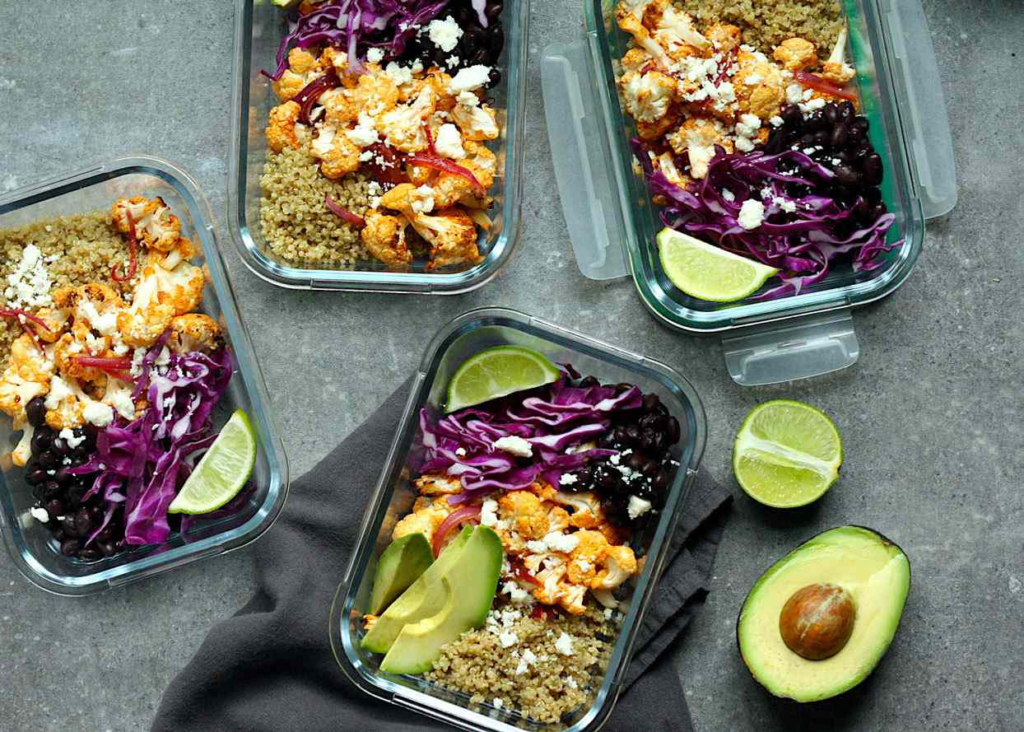
Another example is the rise of flexible eating patterns among working professionals. Busy schedules encourage meal prepping inspired by global cuisines: lentil stews, rice and vegetable bowls, or stir-fried greens with tofu. These meals are practical, affordable, and nutritionally balanced.
These examples highlight a key point: cultural eating patterns evolve. They respond to modern realities while retaining core values.
The Role of Food Media and Technology
Digital media plays a powerful role in shaping how cultural eating patterns spread. Social platforms, cooking channels, and recipe blogs expose Americans to diverse food traditions daily. Importantly, this exposure often comes with context—stories about heritage, family, and meaning.
Unlike older diet culture messaging, modern food media increasingly emphasizes enjoyment, sustainability, and balance. This shift helps normalize cultural foods within health conversations, reducing stigma around “non-standard” meals.
Technology also enables nutrition professionals to tailor advice more precisely, using culturally relevant examples rather than generic meal plans.
Addressing Common Questions Americans Ask
Americans searching for nutrition information often ask practical, culturally rooted questions:
- Can traditional foods be part of a healthy diet?
- How do I balance cultural meals with medical advice?
- Are plant-based traditions healthier than Western diets?
Evidence-based guidance increasingly answers “yes” to the first question and reframes the others. Traditional foods can absolutely support health when prepared mindfully and eaten in appropriate contexts. The focus shifts from elimination to adaptation.
Challenges and Misconceptions
Despite progress, challenges remain. Cultural foods are sometimes misunderstood or oversimplified in nutrition discussions. Labeling foods as “healthy” or “unhealthy” without cultural context can alienate communities and undermine trust.
Another challenge is access. Not all Americans have equal access to fresh, culturally familiar ingredients. Addressing these gaps requires systemic solutions, including better food distribution and culturally informed public health programs.
Recognizing these challenges is essential for building a more inclusive nutrition future.
Frequently Asked Questions
1. Are cultural diets healthier than standard American diets?
Many traditional diets emphasize whole foods and balance, which can support health, but outcomes depend on preparation, portions, and overall lifestyle.
2. Can I follow my cultural diet and still meet nutrition guidelines?
Yes. Most cultural diets can be adapted to align with evidence-based nutrition recommendations.
3. Do nutritionists support culturally specific eating patterns?
Increasingly, yes. Cultural competence is now a core part of professional nutrition training.
4. Are plant-based cultural diets suitable for Americans?
Plant-forward traditions are widely adaptable and align with current dietary guidance.
5. How does culture influence portion sizes?
Cultural norms shape portion expectations, meal frequency, and social eating behaviors.
6. Can cultural eating help with chronic disease prevention?
Balanced, traditional eating patterns rich in whole foods may reduce risk factors.
7. Are cultural foods compatible with weight management?
Yes, when approached with balance and mindful portioning.
8. How can families blend different cultural food traditions?
Through shared meals, recipe adaptation, and open communication about preferences.
9. Is cultural eating relevant for younger generations?
Absolutely. Younger Americans often blend heritage foods with modern health values.
A More Inclusive Nutrition Future
The future of American nutrition is not about choosing one “right” way to eat. It’s about recognizing that health is supported through patterns that people can sustain—patterns rooted in culture, connection, and real life.
As cultural eating patterns continue to shape the national conversation, nutrition guidance becomes more human. It reflects how Americans actually live, cook, and share food. That shift may be one of the most important developments in modern public health.
What This Shift Signals for Everyday Eating
- Cultural food traditions are gaining legitimacy in nutrition science
- Flexibility and inclusivity are replacing rigid diet models
- Long-term health is increasingly linked to sustainable patterns
- Food identity and well-being are deeply connected